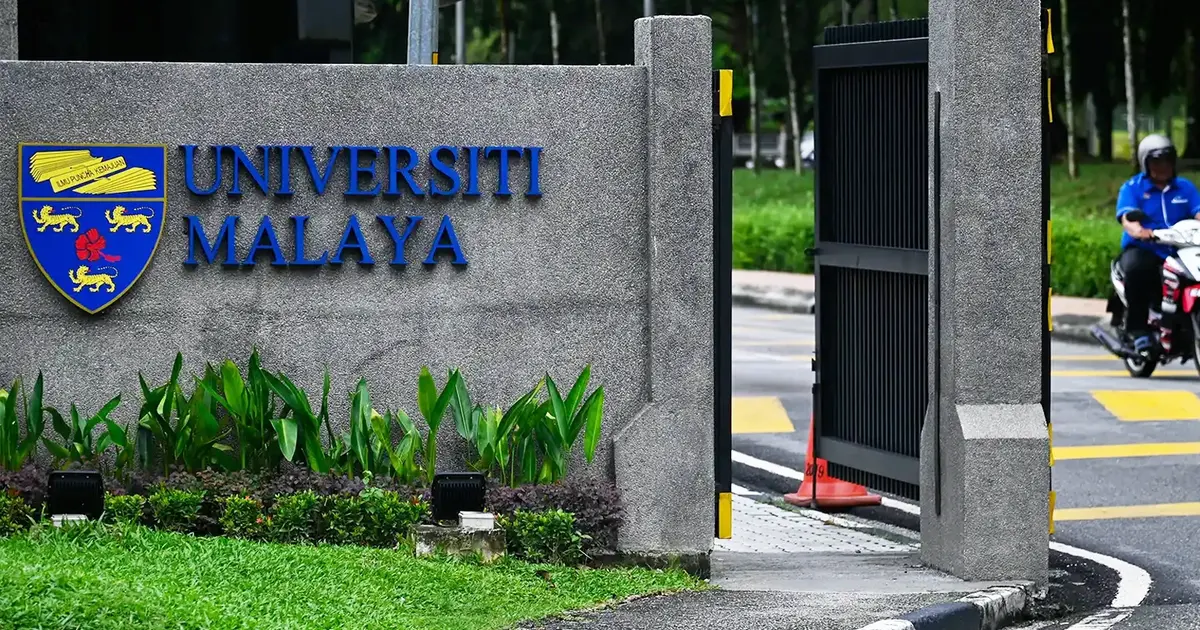
The student-led advocacy organisation NewGen UM has publicly called on the University of Malaya to deliver promised updates on an ongoing sexual harassment investigation targeting a member of the academic staff, citing the institution's failure to communicate findings despite declaring the inquiry had reached its concluding phase several months ago. The group's intervention highlights growing frustration within the student community over the pace and transparency of university disciplinary processes, particularly those involving serious allegations of misconduct affecting campus safety and institutional accountability.
The timeline of events reveals a pattern of delayed communication that has left the university community in a state of uncertainty. When university leadership announced in September of last year that the investigation had progressed to its final stages, expectations naturally arose that a resolution would follow within weeks rather than months. The absence of any subsequent public statement or outcome announcement has prompted observers to question whether administrative processes at the institution are adequate to handle sensitive matters of this nature, or whether internal complications have emerged that the university has chosen not to disclose publicly.
Transparency in university disciplinary matters occupies a complex middle ground between institutional governance and public accountability. While universities typically maintain confidentiality to protect the privacy of those involved—both complainants and the accused—complete silence can undermine institutional credibility and breed suspicion among stakeholders. NewGen UM's demand for an update does not necessarily call for the release of sensitive personal details, but rather a simple acknowledgment of progress and a realistic timeline for conclusions, which would constitute basic communicative responsibility toward the broader campus community.
The delay raises important questions about how Malaysian universities handle sexual harassment complaints and investigations. Unlike some international institutions that maintain dedicated offices with trained investigators and published procedures, harassment cases in Malaysian higher education institutions often navigate less formalised pathways, sometimes involving committees assembled specifically for individual cases. This ad-hoc approach, while potentially allowing for flexibility, can also result in protracted timelines and inconsistent processes, particularly when investigations intersect with university governance structures or face competing institutional priorities.
For students at the University of Malaya, this situation carries particular weight. Campus safety and the confidence that institutional mechanisms exist to address misconduct are foundational to an environment conducive to learning and personal development. When investigations stall without explanation, the implicit message sent to potential complainants is troubling: formal processes may be lengthy, outcomes uncertain, and institutional follow-through inconsistent. This dynamic particularly affects students already vulnerable to power imbalances inherent in the faculty-student relationship, potentially discouraging future reporting.
NewGen UM's intervention represents an important function of student activism in holding universities accountable to their own stated values. Student organisations that monitor institutional performance on matters ranging from academic integrity to workplace conduct serve as crucial checks within university ecosystems where traditional accountability mechanisms may be diffuse or insufficiently transparent. By articulating what many students likely feel but lack a formal channel to express, the group is performing a legitimate governance role.
The Malaysian higher education sector more broadly faces mounting pressure to modernise its approaches to sexual harassment and misconduct. Recent years have witnessed increased public awareness of workplace harassment across professional sectors, fuelled partly by global movements emphasizing institutional responsibility. Universities, as employers and custodians of student welfare, cannot remain isolated from these shifting expectations. Clear, efficient, and transparent investigation procedures are no longer optional niceties but professional standards that Malaysian institutions must meet to retain stakeholder trust.
Institutional leadership at the University of Malaya now faces a choice about how to respond to NewGen UM's demand. A constructive response need not compromise confidentiality protections. The university could announce that the investigation remains ongoing, provide a target completion date, and commit to communicating the general nature of any actions taken—whether they involve disciplinary measures, policy refinement, or support services—without exposing private details of those involved. Such communication would demonstrate institutional seriousness and respect for those affected.
The broader implications for Malaysian universities cannot be overlooked. How the University of Malaya handles both the investigation itself and the subsequent demand for accountability will inevitably influence expectations at other institutions. If universities consistently delay investigations without explanation and resist transparent communication about conclusions, they risk ceding ground to external complaints bodies or regulatory bodies that may eventually impose more stringent oversight than institutions would design for themselves. Proactive institutional governance, conversely, allows universities to maintain autonomy while demonstrating that internal mechanisms are functioning effectively.
Looking forward, this situation underscores the need for Malaysian universities to establish standardised protocols for harassment investigations, including mandatory timelines, clear communication obligations, and published policies that students and staff can reference. Such frameworks need not be rigid, but they should provide clarity and consistency that builds confidence among campus communities. The University of Malaya has an opportunity to move beyond this particular crisis by demonstrating commitment to systematic, transparent, and timely investigation procedures that serve the interests of both institutional integrity and those affected by misconduct allegations.

