The path to preventing another institutional failure at Lembaga Tabung Haji hinges on installing experienced financial expertise at the helm and establishing governance standards befitting a major financial institution, according to economic policy analysts. Speaking on the implications of the Royal Commission of Inquiry's findings into TH's earlier struggles, observers argue that surface-level reforms risk leaving the organisation vulnerable to repeating its mistakes unless fundamental structural and leadership issues are addressed comprehensively.
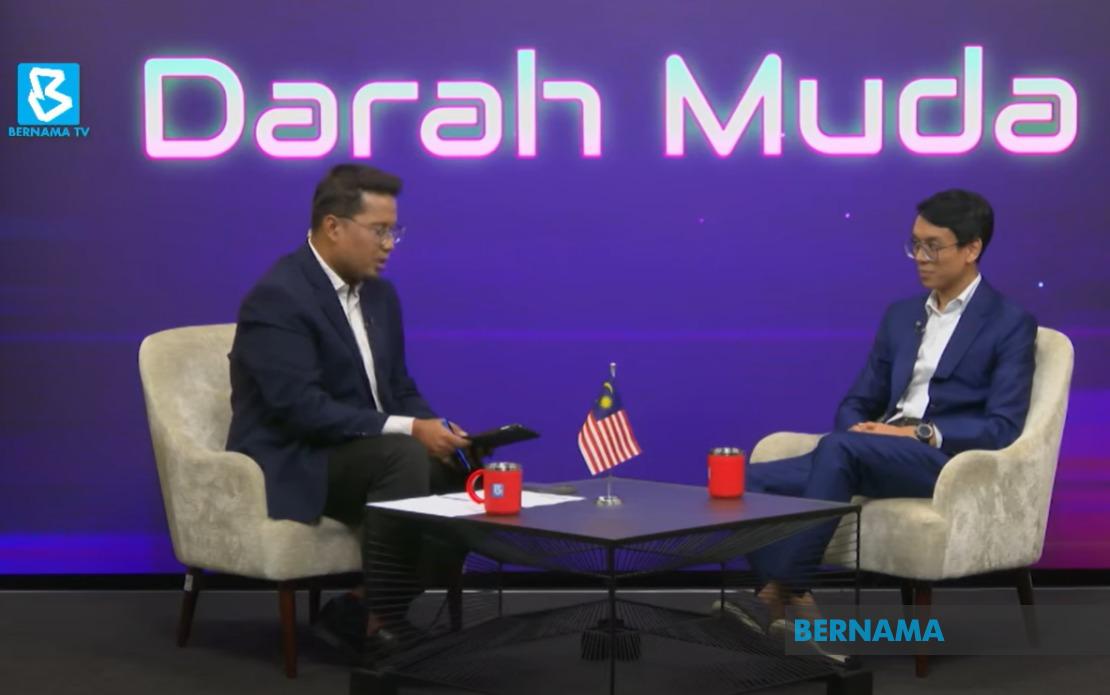
Mohamad Ikmal Ahmad Nordin, data analyst with IKRAM Malaysia's Economic Agenda Team, emphasises that the root causes of TH's previous difficulties demand careful examination rather than dismissal as historical aberrations. The inquiry's revelations should serve as a catalyst for systematic change rather than temporary remedial measures, he suggests. This perspective reflects growing concern that without sustained structural reform, TH could face similar governance challenges despite investments already made in its recovery programme.
The most pressing gap, analysts contend, lies in the calibre of leadership occupying TH's senior positions. An institution managing both religious obligations and substantial financial assets requires executives with demonstrable competence in financial management, investment strategy, and institutional oversight. Currently, the organisation operates at an intersection where religious stewardship and financial management responsibilities coexist, yet the leadership pipeline may not adequately prioritise individuals with rigorous training in accounting, fund administration, or actuarial science.
This expertise gap becomes more acute when considering TH's dual mandate. The institution must simultaneously fulfil its religious mission of facilitating the Hajj pilgrimage while managing a sophisticated investment portfolio serving millions of depositors. Successful performance in these distinct domains requires different skill sets. Fund managers, accountants, and actuaries possess the technical knowledge necessary to oversee investment decisions and financial operations with appropriate diligence. The absence of such specialists in critical decision-making roles historically contributed to oversight failures that the RCI documented.
One structural solution circulating among reform advocates involves clarifying TH's operational boundaries. By potentially transferring Hajj administration and religious affairs management to established agencies such as the Department of Islamic Development Malaysia or relevant ministerial portfolios, TH could narrow its focus to core financial stewardship. This division of labour would allow dedicated religious authorities to manage pilgrimage logistics while allowing TH's leadership to concentrate exclusively on delivering returns and protecting depositor interests. Such rationalisation reflects international practice where financial institutions maintain focused mandates rather than hybrid operational models.
For Malaysia's younger generation, the stakes in TH's transformation extend beyond institutional reputation. Many Malaysian Muslims, particularly those entering the workforce, depend on schemes offering accessible pathways to accumulate Hajj funds. Younger depositors face particular challenges in an economic environment marked by rising living costs, competing financial obligations, and extended timelines to achieve pilgrimage savings targets. Enhanced governance and more focused financial management could enable TH to develop innovative instruments and schemes specifically designed around younger Malaysians' circumstances and timelines.
Restoring public confidence represents another critical dimension of institutional recovery. TH operates within a social contract where Malaysian Muslims entrust their religious aspirations and savings to its stewardship. The RCI's findings, while documenting past failures, also represent an opportunity to demonstrate that systemic changes have addressed underlying vulnerabilities. Transparent communication about leadership transitions, governance improvements, and renewed strategic clarity would signal genuine transformation rather than superficial adjustments.
Forensic audits examining TH-related entities remain essential to this accountability process. Comprehensive investigations identifying how funds flowed through various subsidiary operations and determining beneficiaries of questionable transactions create institutional memory and inform future safeguards. Incomplete investigations risk allowing problematic patterns to persist in successor programmes. The willingness to pursue thorough audits even when outcomes prove uncomfortable reflects institutional maturity and commitment to genuine reform rather than damage control.
Analysts stress that TH's recovery cannot succeed through piecemeal interventions addressing isolated problems while leaving systemic vulnerabilities intact. The organisation requires forward-thinking leadership that understands contemporary financial markets, regulatory obligations, and beneficiary expectations. Younger Malaysians increasingly scrutinise institutions managing their assets, demanding transparency and demonstrated competence. TH must compete not only with alternative Hajj-saving mechanisms but with broader investment options as Malaysians assess where to allocate their capital.
The broader implications extend across Malaysia's Islamic financial sector. TH's challenges highlight how institutions blending religious missions with substantial financial responsibilities require governance frameworks as rigorous as conventional financial operators. Regulators and policymakers must ensure that religious or social mandates do not become justifications for relaxed standards around leadership qualifications, audit procedures, or transparency obligations. International best practices in institutional governance apply regardless of an organisation's foundational purpose.
Moving forward, TH's leadership selection process itself warrants scrutiny. Recruitment should prioritise candidates with proven track records in financial management and institutional oversight. Board composition must reflect technical expertise rather than political appointments or patronage considerations. These structural safeguards ensure that future decision-makers possess the knowledge and independence necessary to prioritise depositor interests and institutional stability. The stakes for Malaysia's Muslim community, younger generations seeking Hajj pathways, and the broader financial system's integrity all hinge on whether TH emerges from its recovery phase as a genuinely transformed institution or merely a cautionary footnote about governance failures.

