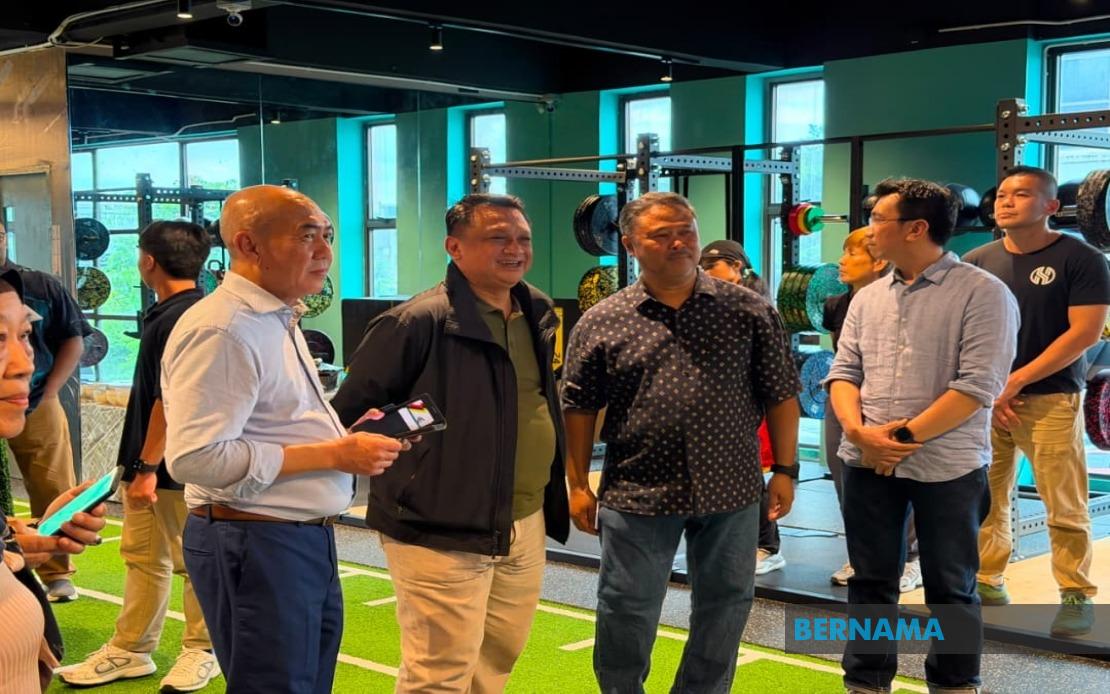
Malaysia's rapidly ageing demographic presents a mounting public health challenge centred on preventable injuries among older citizens. Dr Adibah Ali, owner of FitLab gymnasium in Kuching, is sounding an alarm about the alarmingly low public consciousness surrounding resistance training as a protective measure for seniors. With Malaysia's elderly population continuing to expand, the consultant breast and endocrine surgeon argues that deliberate intervention is now overdue to educate this vulnerable group about the benefits of structured muscle conditioning.
Drawing on two decades of clinical experience, Dr Adibah has witnessed firsthand the devastating consequences of falls among older people. Her years working within hospital wards exposed her to a steady stream of elderly admission cases, many arriving after sustaining fractures and injuries from simple falls. This professional perspective crystallised into a personal mission: to shift cultural attitudes and encourage seniors to take proactive steps toward maintaining physical resilience. The underlying mechanism is straightforward—stronger muscles support bones, stabilise joints, and enhance overall mobility, collectively reducing the likelihood of both falls and serious injury when they do occur.
The misconception that strength training demands bodybuilder-level commitment represents a significant barrier to uptake among seniors. Dr Adibah is careful to distance her advocacy from extreme fitness culture, emphasising instead that functional strength is the goal. For older adults, the practical benefits are immediate and tangible: climbing stairs becomes less laborious, carrying groceries safer, and daily mobility more assured. This framing recontextualises fitness from an aesthetic pursuit to a quality-of-life imperative, potentially resonating more effectively with target audiences who may regard gyms as spaces for the young and athletic.
Recognising the scale of the challenge, Dr Adibah's gymnasium is developing dedicated programming specifically tailored for elderly participants. The facility plans to roll out specialised classes designed with the physical capacities and health considerations of seniors in mind, moving beyond one-size-fits-all instructional models. Beyond internal initiatives, the gymnasium is exploring formal partnerships with Pusat Aktiviti Warga Emas (PAWE), Malaysia's primary institutional actor in senior citizen engagement. Such collaboration could significantly amplify reach and lend organisational legitimacy to fitness promotion efforts targeting this demographic.
The royal visit to FitLab by the Raja Muda of Perlis, Tuanku Syed Faizuddin Putra Jamalullail, and accompanying dignitaries underscores the issue's elevation within state-level governance discussions. The presence of Sarawak Deputy Minister of Youth, Sports and Entrepreneur Development Datuk Gerald Rentap Jabu signals official recognition that healthy ageing is a matter of policy importance, not merely individual concern. For a state where those aged 50 and above represent an increasingly substantial population segment, systematic efforts to promote active lifestyles among seniors carry both preventive health and economic implications.
Sarawak's Deputy Minister articulated a holistic vision extending beyond mere physical conditioning. He stressed the importance of mental stimulation alongside cardiovascular and muscular activity, citing chess and similar cognitively demanding pursuits as valuable complements to fitness programmes. This integrated approach acknowledges that healthy ageing encompasses psychological and social dimensions alongside physical fitness. Falls and injuries, after all, are often preceded or compounded by cognitive decline and social isolation—factors that strength training alone cannot address.
The involvement of PAWE in this initiative is particularly significant for Malaysia's broader aging infrastructure. The centre represents the state's existing institutional framework for senior engagement, and leveraging it to introduce fitness components creates synergistic potential. Rather than duplicating services or fragmenting support systems, the collaboration allows fitness specialists like Dr Adibah to work within established community channels where trust and participation already exist. For seniors already connected to PAWE programmes, additional activity options may require minimal additional outreach.
From a public health economics perspective, preventing falls in the elderly generates substantial savings. Fall-related hospitalisations, prolonged recovery periods, and complications consume healthcare resources while inflicting genuine human suffering and loss of independence. In Malaysia, where healthcare systems navigate rising chronic disease burdens alongside demographic shifts, investing in preventive interventions like strength training represents value-conscious policy. The cost of gymnasium memberships or structured classes pales against acute care expenditures for fracture treatment and post-injury rehabilitation.
The cultural shift required to normalise strength training among Malaysian seniors should not be underestimated. Many in this cohort grew up in different eras with contrasting attitudes toward exercise and ageing. Resistance to new health recommendations often reflects not stubbornness but unfamiliarity and perhaps anxiety about injury risk. Effective promotion requires sustained messaging from trusted sources—healthcare providers, community leaders, and respected figures like those who visited FitLab—rather than one-off campaigns. The royal visit itself functions as an important signal that this is a matter worthy of high-level attention.
Moving forward, the success of these initiatives will depend partly on accessibility and affordability. Gymnasium membership fees may pose barriers for economically disadvantaged seniors, necessitating publicly funded or subsidised alternatives. Community centres, senior clubs, and partnerships with healthcare facilities could provide free or low-cost strength training instruction. Additionally, training fitness instructors specifically in gerontology—understanding the particular needs, constraints, and health considerations of older adults—is essential to ensure safety and effectiveness.
The broader regional context is relevant here. Singapore, Thailand, and other Southeast Asian nations have advanced ageing populations and have begun implementing systematic programmes combining strength training with fall-prevention initiatives. Malaysia has opportunities to learn from these models while developing locally appropriate strategies. As Dr Adibah's advocacy gains traction, the platform exists for Sarawak and other states to position themselves as leaders in active, healthy ageing within the region.

