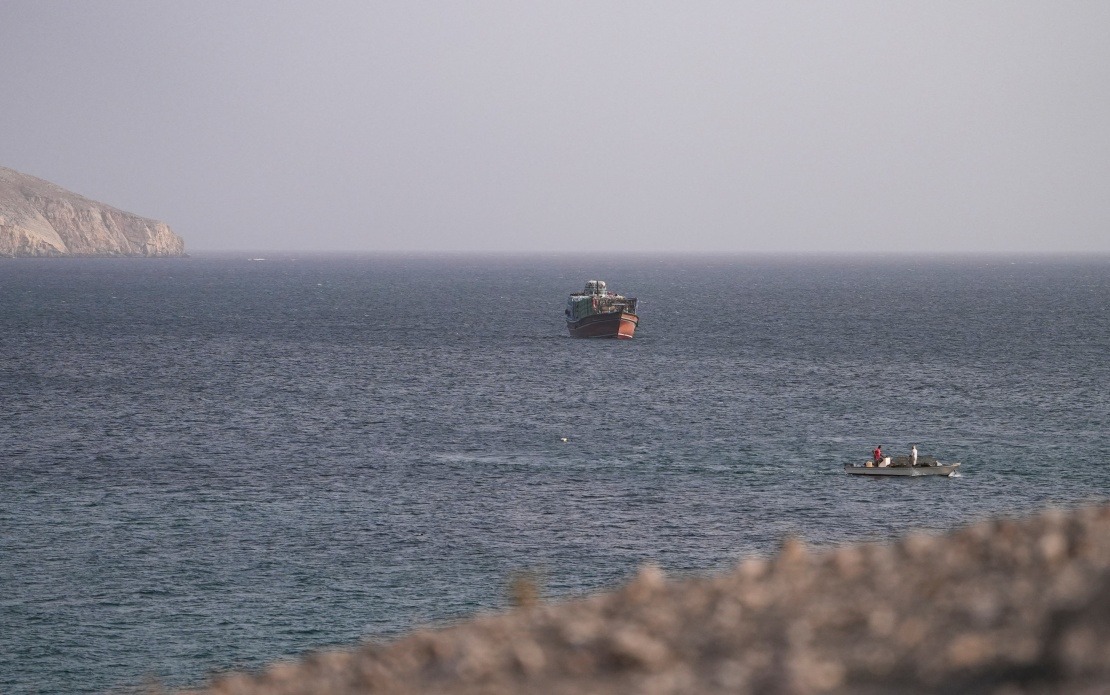
Iran has signalled that any future arrangement for managing the Strait of Hormuz will represent a fundamental departure from pre-conflict conditions, according to statements made by Foreign Ministry Spokesperson Esmaeil Baqaei in a televised address. The Iranian official explicitly rejected the notion that discussions with neighbouring Oman amount to a reopening of the strategically vital waterway, instead framing ongoing bilateral negotiations as an opportunity to establish an entirely new framework for regional maritime governance. His remarks underscore Tehran's determination to secure what it views as enhanced control mechanisms over one of the world's most critical energy chokepoints.
Baqaei emphasised that Iran and Oman, as the two nations bordering the Strait of Hormuz, shoulder mutual responsibility for ensuring safe passage and maritime security in waters that channel roughly one-third of global seaborne oil trade. The two countries initiated formal discussions immediately after a ceasefire took effect on April 8, with multiple rounds of negotiations since completed. The Iranian diplomat highlighted that Foreign Minister Abbas Araghchi's first international visit following the conflict was specifically directed towards Muscat, where conversations with Oman's Sultan and senior officials focused centrally on establishing secure shipping corridors and crafting durable governance structures for the waterway.
According to the memorandum of understanding that ended the conflict, Iran is to manage the Strait of Hormuz's future in close consultation with Oman and through dialogue with other regional actors. During the initial three weeks of implementing this arrangement, the northern shipping route operated without incident and accommodated normal vessel transit. However, Baqaei noted that before the agreed 30-day window for fully restoring pre-war maritime traffic could expire, what he characterised as an act of aggression disrupted the emerging stability. This setback has reinforced Iranian insistence on establishing robust security mechanisms that protect national sovereignty while preventing hostile actors from exploiting the waterway.
Crucially, Baqaei disclosed that the future agreed corridor through the Strait of Hormuz will differ from both the current northern and southern routes, instead creating an entirely new passage to be jointly determined by Iran and Oman through bilateral accord. This proposal signals a fundamental restructuring of maritime traffic patterns that have defined shipping through the waterway for decades. The designation of a novel shipping lane would grant Iran significantly greater capacity to monitor and regulate vessels transiting the strait, a development with profound implications for global energy markets and regional strategic balance. For Malaysian stakeholders reliant on Hormuz transit—including traders, shipping companies, and energy importers—this redrawing of maritime geometry introduces uncertainty regarding shipping costs, transit times, and insurance premiums.
The Iranian spokesperson stressed that Tehran's negotiations with Muscat remain strictly bilateral affairs with no involvement or influence from external powers. This posture reflects a broader Iranian strategy to prevent international actors from shaping the outcome of Hormuz management discussions. By maintaining that talks are confined to the two coastal states, Iran seeks to insulate negotiations from pressure by Western nations or regional rivals who have vested interests in maintaining the status quo. The characterisation of these discussions as exclusively bilateral also serves a domestic political purpose, allowing Tehran to portray any eventual settlement as a sovereign achievement rather than a compromise born of external pressure.
Baqaei articulated Iran's determination to preclude actors that have targeted Iran from misusing the Strait of Hormuz, emphasising that effective governance requires mechanisms fully honouring Tehran's sovereign prerogatives. This demand reflects Iran's assessment that previous international maritime arrangements in the region insufficiently protected Iranian interests against what officials view as hostile interference. The insistence on embedding Iranian sovereignty protections into any new Hormuz governance framework signals that Tehran views maritime security arrangements as inseparable from broader geopolitical contests over regional influence. For Southeast Asian nations transiting the strait, this Iranian approach raises questions about whether new protocols might entail additional bureaucratic scrutiny or potential delays affecting commercial shipping schedules.
Addressing pronouncements by American officials, Baqaei dismissed such rhetoric as recycled and inconsequential to Iranian decision-making processes. He noted that Iran has previously endured multiple waves of military aggression from the United States and survived intact as a functioning state. This reference to historical military confrontations underscores how Iranian leadership views American warnings through the lens of past conflicts, suggesting they believe Washington has exhausted its capacity to compel Iranian compliance through threats alone. Baqaei's statement carries implicit reassurance to domestic constituencies that external intimidation will not alter strategic calculations, though it simultaneously signals to international observers that Tehran operates within a framework largely immune to conventional coercive diplomacy.
The Iranian official characterised assertions by President Donald Trump regarding Iranian desires for de-escalation as falsified claims contradicted by documented evidence. He accused the United States of employing social media and other information channels as instruments of psychological warfare designed to influence Iranian policy choices. This critique reflects broader Iranian concerns about information asymmetries in contemporary geopolitical competition, where narrative control increasingly determines strategic outcomes. By identifying Trump administration statements as propaganda rather than credible representations of reality, Baqaei attempts to delegitimise American messaging among international audiences while reinforcing domestic support for Iranian defiance.
Baqaei emphasised that Iranian policy derives exclusively from calculations of national interest and security imperatives, insulated from external threats, intimidation campaigns, or media pressure. This formulation positions Iran as a rational actor pursuing coherent strategic objectives rather than a state responding emotionally or defensively to external stimulus. The assertion that past experience demonstrates the futility of attempting to coerce Iranian policy reversals through threats carries weight given documented instances where sanctions and military pressure have failed to substantially alter Iranian behaviour. Nevertheless, this confidence in Iranian resilience may underestimate how accumulating economic costs and military isolation could eventually reshape strategic calculations, particularly if regional allies prove unwilling to absorb corresponding risks.
The spokesperson disclosed that Iran had received diplomatic overtures from Bulgaria, the United Kingdom, and Ukraine within the preceding 24 hours, though he provided no substantive details regarding these contacts. This revelation suggests ongoing international diplomatic ferment surrounding Iranian affairs, with multiple actors seeking to influence Tehran's trajectory or extract information about Iranian intentions. The mention of these three nations—two NATO members plus a conflicted state—indicates that Iran remains a focal point of international engagement despite efforts by Tehran to project indifference toward external pressure. For regional observers, these diplomatic interactions hint at continued efforts by Western powers to shape developments affecting the Strait of Hormuz and broader Middle Eastern stability.
Baqaei issued a pointed warning that any nation providing military facilities, logistical support, or other cooperation to actors launching aggression against Iran would be deemed complicit and subject to Iranian retaliation. This declaration carries direct implications for regional states hosting American military installations or providing support to American military operations, effectively serving notice that Iran views such arrangements as actionable grievances. The warning system he described establishes a framework wherein Iran claims prerogative to strike at supportive infrastructure, not merely at primary aggressors. For regional powers navigating complex relationships between American strategic interests and Iranian security concerns, such statements complicate diplomatic balancing acts and heighten risks of unintended escalation.
Baqaei concluded by decoupling the question of whether the Strait of Hormuz fully reopens from the question of whether Iran and Oman reach agreement on a new maritime corridor. This distinction carries substantial weight, suggesting that Iran envisions circumstances where a new agreed route between the two nations could coexist with restrictions on other maritime passages. The future status of the waterway, in Baqaei's formulation, remains contingent upon broader regional security developments and specific actions undertaken by the United States. This framing grants Iran maximal flexibility to adjust its posture in response to evolving circumstances while maintaining public messaging that portrays any eventual outcomes as reflecting Iranian agency rather than external coercion. For maritime stakeholders across Southeast Asia dependent on predictable Hormuz transit, this conditional approach introduces enduring uncertainty about long-term shipping arrangements.

