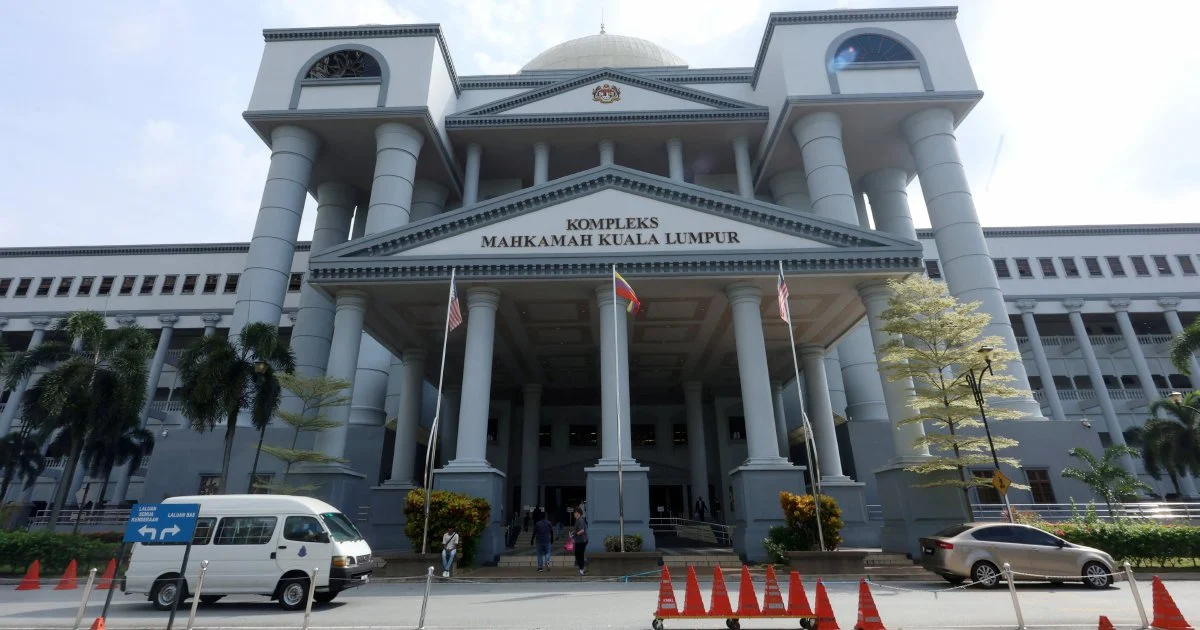
A senior executive heading a key statutory body is set to make his first court appearance today at the Sessions Court in Kuala Lumpur, facing seven separate charges of corruption. The allegations centre on his alleged solicitation and acceptance of kickbacks exceeding RM1 million, connected to the procurement and development of sports facilities.
The charges underscore continuing enforcement action by anti-corruption authorities against high-ranking officials, particularly those overseeing public institutions and significant capital projects. Sports infrastructure represents a substantial area of government spending, making procurement processes in this sector a focus for regulators tracking potential misuse of public resources. The scale of the alleged bribery—surpassing RM1 million—points to significant financial manipulation within what ought to be transparent administrative processes.
Statutory bodies in Malaysia hold substantial autonomy in their operations and procurement decisions, operating with public funding and government oversight. When senior leadership within these organisations becomes implicated in graft, it raises fundamental questions about internal governance frameworks and accountability mechanisms. The integrity of these institutions directly affects public service delivery and citizen confidence in how taxpayer money is allocated and spent.
The specific focus on sports facilities within this investigation reflects patterns seen across multiple Asian economies, where such projects frequently involve substantial contracts and numerous stakeholder interests. From equipment purchases to construction and management rights, sports infrastructure projects create multiple touchpoints where corrupt actors can intervene. In Malaysia's context, with expanding initiatives to enhance sporting facilities at national and state levels, ensuring procurement integrity remains essential.
Anti-corruption agencies have intensified scrutiny of public sector leadership in recent years, signalling a shift towards holding senior officials personally accountable for institutional failures. This particular case, should evidence substantiate the allegations, would demonstrate willingness to prosecute those at executive levels rather than merely targeting lower-ranking functionaries who might act as convenient scapegoats. The outcome may influence governance practices across other statutory bodies operating in similar sectors.
The nature and scope of the charges—seven separate corruption offences rather than a single consolidated charge—suggests the authorities have documented multiple distinct instances of alleged misconduct rather than treating this as an isolated lapse. This approach typically indicates systematic rather than opportunistic behaviour, raising concerns about whether institutional safeguards functioned adequately or whether supervising authorities failed to detect warning signs earlier.
Bribery schemes within government contracting often follow recognisable patterns: inflated quotations from favoured vendors, steering of contracts to predetermined suppliers, or kickback arrangements where contractors funnel portions of contract values back to decision-makers. The involvement of sports facilities suggests potential conspiracy chains extending beyond the executive officer himself, though today's proceedings will focus specifically on his individual culpability.
The statutory body's operational continuity and institutional reputation will face scrutiny as this case progresses. Organisations implicated in high-level corruption typically experience disruption to staff morale, external stakeholder relationships, and public confidence. Board members and supervising ministers often face questions about whether oversight mechanisms were deficient, and whether structural reforms are necessary to prevent recurrence.
For the broader Malaysian governance landscape, such prosecutions carry symbolic weight. Public administration faces persistent challenges in balancing efficiency with integrity, and senior officials facing justice demonstrate that no position provides immunity from accountability. However, the frequency of such cases also reflects systemic vulnerabilities that single prosecutions alone cannot remedy—comprehensive institutional reform, stronger internal controls, and cultural shifts toward ethical governance remain necessary complements to criminal enforcement.
The Sessions Court proceedings beginning today will reveal details about the alleged bribery schemes and identify individuals or entities potentially involved in offering or facilitating these corrupt payments. Depending on the evidence presented and legal arguments raised, the case may establish important precedents regarding prosecutorial approaches to white-collar corruption within the public sector. For Malaysian readers, this case exemplifies both the anti-corruption system's capacity to hold powerful figures accountable and the persistent need for vigilance regarding institutional integrity.