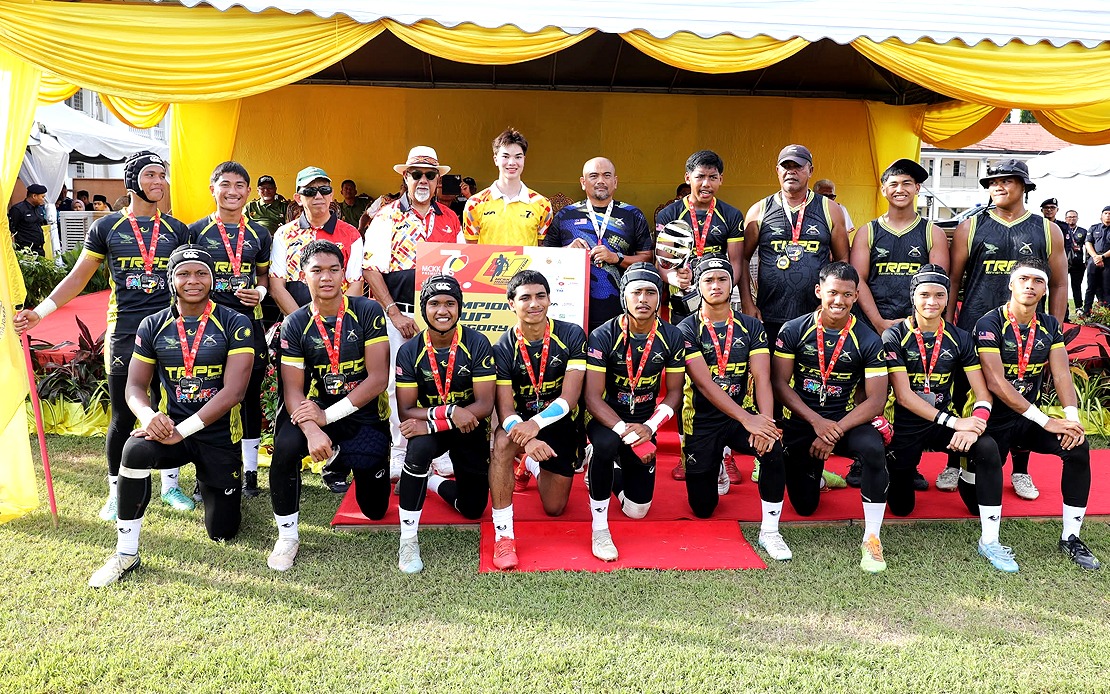
Sekolah Sukan Malaysia Pahang has successfully defended its crown at the MCKK Premier 7s rugby tournament, overpowering rival Sekolah Sukan Tunku Mahkota Ismail with a 19-14 victory in the Cup final held at Malay College Kuala Kangsar in Perak on July 5. The triumph marks SSMP's second consecutive NJ Ryan Trophy win, cementing its status as Malaysia's premier school rugby sevens programme and establishing a notable dynasty in what remains one of the most competitive tournaments in the Malaysian scholastic sports calendar.
The final itself was a tightly fought contest that exemplified the high calibre of rugby being played at Malaysia's leading sports schools. Both teams displayed technical proficiency and tactical nous throughout the match, with neither side willing to concede dominance. SSMP's ability to maintain their lead throughout the encounter and secure victory despite sustained pressure from SSTMI underscores the consistency and depth of talent within the Pahang institution. The two schools have emerged as the tournament's traditional powerhouses, and this back-to-back meeting in the final suggests a competitive balance that keeps spectators engaged and maintains the prestige of the competition.
The context of school rugby in Malaysia has evolved significantly over the past decade, with institutions like SSMP and SSTMI investing heavily in player development, coaching expertise, and facilities to produce competitive teams capable of representing the nation at regional and international levels. These sevens tournaments serve as crucial talent identification platforms, allowing coaches to assess players in fast-paced, dynamic conditions that demand technical skill, tactical awareness, and physical conditioning. SSMP's retention of the title indicates sustained investment in youth development and a consistent approach to nurturing young talent.
Beyond the Premier competition, the tournament featured multiple divisions that showcased broader participation across Malaysian schools. In the Plate category, SMK Tun Hussein Onn emerged victorious following a competitive 24-19 encounter with Sekolah Sultan Alam Shah, demonstrating that quality rugby extends well beyond the traditional powerhouses and providing development opportunities for emerging programmes.
The Bowl division produced another engaging contest, with SMK Hosba securing the championship through a 17-12 win against SMK Syed Sirajuddin. These lower-tier competitions are arguably more significant than they initially appear, as they expose younger players to structured competition and allow schools without established rugby traditions to build foundations for future success. The breadth of participation across multiple divisions suggests healthy competition at the grassroots level within Malaysian schools.
In Shield competition, MRSM Balik Pulau delivered an emphatic performance, defeating Royal Military College 22-0 to claim the title. The decisive nature of this victory points to significant disparities in programme maturity and player development across different institutions, a reality that presents both challenges and opportunities for rugby development in Malaysian schools. Coaching quality, player recruitment, and sustained institutional commitment clearly differentiate competitive outcomes.
The 14th edition of this prestigious tournament reflects the maturation of school rugby sevens as a competitive discipline in Malaysia. The longevity of the competition indicates strong organisational commitment and consistent interest from schools, coaches, and players. The sevens format itself has proven popular in Malaysian schools, offering a more dynamic and accessible entry point to rugby compared to the fifteen-a-side game, while still developing fundamental skills transferable to longer-form competition.
The tournament's closing ceremony was presided over by Raja Datuk Seri Azlan Muzaffar Shah, son of the Sultan of Perak, who distributed the trophies and medals to winning teams. This royal patronage reflects the sporting significance attributed to the competition within Perak and signals official recognition of school rugby's role in youth development. Such ceremonial oversight underscores that these tournaments extend beyond mere athletic competition to serve wider educational and developmental purposes.
For Malaysian readers following school sports, this tournament represents a microcosm of how institutional excellence in youth athletics develops. SSMP's consecutive victories were not inevitable outcomes but rather the product of sustained coaching investment, player development programmes, and competitive experience. The challenge for other institutions lies in building comparable infrastructure and maintaining commitment over multiple seasons to develop competitive programmes.
The tournament structure itself, encompassing Premier, Plate, Bowl, and Shield divisions, enables schools at various developmental stages to participate meaningfully rather than being relegated to spectator status. This inclusive approach helps broaden the talent pool from which elite Malaysian rugby can draw and creates pathways for younger programmes to progress gradually toward elite competition. Schools managing resources more modestly can compete at appropriate levels while developing their young players.
Looking forward, the success of sevens rugby in Malaysian schools suggests potential for expansion of the format beyond school competition. The skill sets developed through sevens—including decision-making under pressure, unit cohesion, and adaptability—translate directly to success in the full game. As Malaysia seeks to strengthen its rugby capabilities at senior and representative levels, investments in school sevens programmes represent foundational work with long-term strategic implications for the sport's development across the nation.

