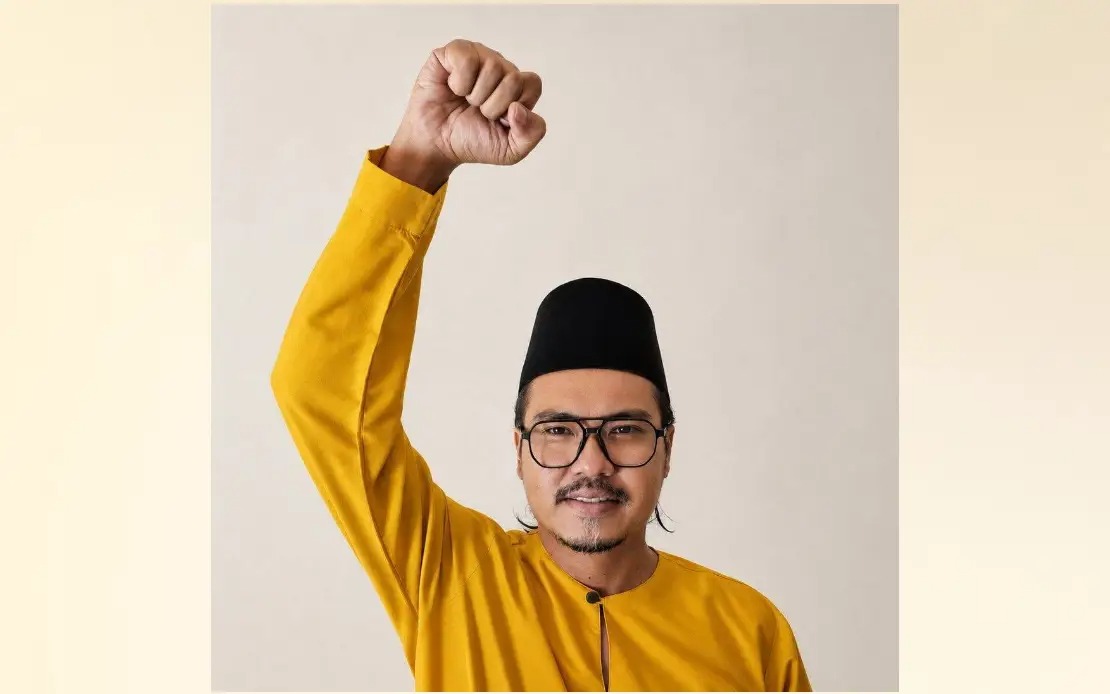
Islah Wahyudi Zainudin, an independent aspirant in the closely contested Sri Tanjung constituency of Negeri Sembilan, will make a court appearance on August 11 to answer charges stemming from content he posted on Instagram earlier this year. The 46-year-old candidate received formal notification of the charges from the Malaysian Communications and Multimedia Commission (MCMC) when an officer visited his residence on July 21, marking a significant development in his campaign efforts during the state election season.
The allegations against Islah fall under Section 233 of the Communications and Multimedia Act 1998, a provision that has become increasingly scrutinised in Malaysia's evolving digital landscape. The specific Instagram post in question dates back to January, suggesting a considerable lag between the original publication and formal enforcement action. Islah's measured response to the charge reflects a pragmatic approach to the legal proceedings, as he indicated acceptance of the judicial process while maintaining his intention to continue campaigning throughout the state.
The Sri Tanjung seat presents a particularly competitive battleground in the Negeri Sembilan election, with five candidates vying for the constituency. Incumbent Datuk Dr G. Rajasekaran, representing the Pakatan Harapan coalition, faces challenges not only from Islah but also from A. Achuthan of Barisan Nasional, M. Leevineshwaraan of Parti Pribumi Bersatu Malaysia, and fellow independent Datuk A. Saravanan. This five-way contest underscores the fragmented nature of contemporary Malaysian electoral politics, where traditional two-coalition dominance has given way to a more dispersed playing field.
The timing of Islah's court summons raises pertinent questions about enforcement patterns within Malaysia's regulatory framework for online communications. The Communications and Multimedia Act, while intended to maintain standards of discourse in digital spaces, has occasionally become a flashpoint for concerns about selective application and the chilling effect on political speech. The fact that the post originated in January but drew official action only in late July invites scrutiny into how the MCMC prioritises complaints and manages its caseload, particularly during politically sensitive periods such as state elections.
For independent candidates in Malaysia, navigating the legal terrain while maintaining campaign momentum presents distinct challenges compared to their counterparts within established political parties. Party-affiliated candidates typically have access to legal advisors and institutional support structures, whereas independent aspirants often operate with more limited resources. Islah's continued determination to campaign despite facing legal proceedings demonstrates the resilience some independent candidates bring to electoral contests, though the distraction of pending litigation could ultimately impact his ability to reach voters effectively.
The broader context of this development relates to ongoing debates in Malaysia regarding the balance between regulating harmful online content and protecting legitimate political expression. Section 233 of the Communications and Multimedia Act can apply to various categories of posts deemed inappropriate or offensive, and interpretations have sometimes been contested. As Malaysia's digital ecosystem continues to mature, questions about where authorities should draw lines in online speech during election periods remain hotly debated among legal experts and civil society organisations.
Negeri Sembilan's state election itself carries significance for Malaysian politics beyond its local implications. The state has served as a barometer for broader political trends, and the composition of its state assembly can influence the overall political landscape of the peninsula. With early voting scheduled for July 28 and polling day set for August 1, candidates like Islah are operating under compressed timeframes to campaign effectively before voters make their choices. The court date of August 11 falls after the election, providing some relief to his campaign schedule, though the legal cloud could still influence voter perceptions before polling day.
The presence of multiple independent candidates in this particular constituency reflects a broader pattern across Malaysia, where voters and aspiring politicians increasingly explore options beyond traditional party politics. Independent candidates often position themselves as representatives of localised interests or appeals to voters dissatisfied with mainstream political offerings. In the case of Sri Tanjung, the presence of two independent candidates alongside representatives from three established political entities creates a genuinely diverse ballot from which voters can choose.
Islahs case also highlights the intersection of electoral politics and regulatory enforcement in contemporary Malaysia. Election periods can amplify tensions around free speech, as candidates test boundaries while authorities maintain enforcement responsibilities. The MCMC's actions in charging Islah, regardless of the specifics of his post, occur within this heightened environment where scrutiny of political communications intensifies significantly. Understanding how different regulatory bodies conduct themselves during election seasons remains important for assessing the overall health of Malaysia's democratic processes.
Looking forward, the outcome of Islah's court proceedings could carry implications beyond his personal situation. Depending on the judgment rendered and any penalties imposed, the case might influence how other candidates, particularly those without formal party backing, approach their social media communications. Legal precedents set during politically active periods can shape campaign behaviour for years to come, affecting the willingness of candidates to engage in robust online discourse. As Malaysia continues to refine its approach to regulating digital speech within democratic contexts, individual cases like this one contribute to the broader jurisprudence that will eventually define acceptable boundaries.

