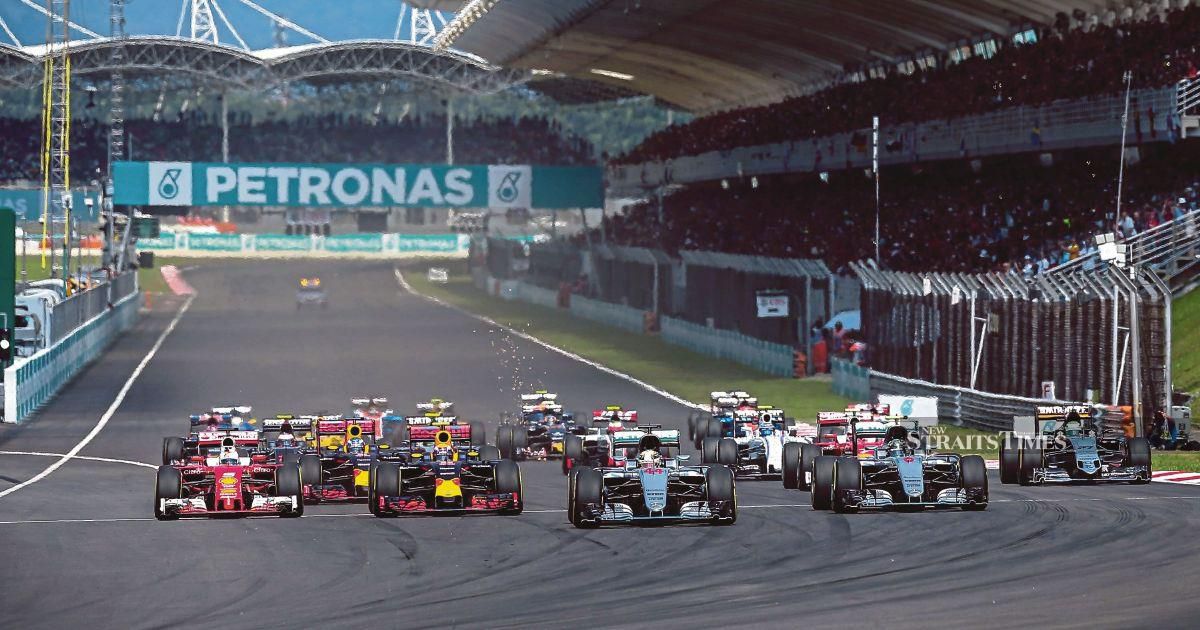
Formula 1's return to Malaysian soil this October will be marked by a landmark initiative aimed at democratising access to one of motorsport's most prestigious events. Prime Minister Datuk Seri Anwar Ibrahim has announced a specially-priced Madani ticket scheme beginning at RM200, designed to bring the world-class racing experience within reach of ordinary Malaysian families who might otherwise struggle to afford trackside seats at the Sepang International Circuit.
The government's accessibility drive signals a deliberate policy shift towards making major international sporting spectacles inclusive rather than exclusive. By introducing a tiered pricing structure that prioritises affordability for local fans, the initiative reflects broader Madani framework principles centred on equitable distribution of opportunities and shared national prosperity. The RM200 entry point represents a significant reduction from standard Formula 1 ticket pricing, effectively removing a substantial financial barrier that has historically limited attendance among middle and working-class Malaysians.
Sepang International Circuit has long been Malaysia's flagship motorsport venue, hosting the Malaysian Grand Prix since 1999 and establishing the nation as a serious player on the global racing calendar. The circuit's return as an F1 destination after recent years of absence carries considerable symbolic weight for the local motorsport community and represents renewed confidence in Malaysia's capacity to stage world-championship calibre events. This comes amid broader regional dynamics where several Southeast Asian nations have sought to host or expand their presence on the international sporting stage.
The strategic timing of this announcement ahead of October's race suggests careful coordination between government officials and race organisers to maximise local participation and public enthusiasm. Malaysian motorsport enthusiasts, from casual fans to dedicated followers of the sport, have expressed pent-up demand for F1 action following gaps in the racing calendar. The special pricing initiative directly addresses this appetite whilst simultaneously generating the kind of grassroots excitement that transforms major sporting events into genuine national celebrations rather than merely elite spectacles.
From an economic perspective, increased local attendance carries benefits extending well beyond the circuit itself. Hotels, restaurants, transportation services, and retail establishments across the Klang Valley stand to gain from surge pricing and expanded customer bases during race week. The multiplier effects of international sports tourism, coupled with domestic participation, create broader economic stimulation that justifies government support for accessibility measures. Additionally, young Malaysians exposed to F1 racing at affordable prices may develop lifelong interest in motorsport, potentially nurturing homegrown talent for future racing careers.
The Madani ticket scheme also serves a soft diplomacy function, showcasing Malaysia's commitment to inclusive governance and citizen-centric policymaking to international audiences. Foreign media covering the October race will inevitably note the affordability initiative, potentially enhancing Malaysia's reputation as a forward-thinking nation that balances economic development with social responsibility. This positioning becomes increasingly valuable as Southeast Asian nations compete for international investment, talent, and prestige.
Practical implementation of such large-scale ticketing requires coordination between multiple stakeholders including circuit management, ticket vendors, local government authorities, and security services. The execution details—whether allocation favours early-bird purchasers, specific demographic groups, or random distribution—will significantly influence both uptake and perceived fairness. Transparent communication about ticket availability, purchase mechanisms, and any conditions attached to special-priced seats will be crucial for programme success.
Comparative analysis with other major international sporting events suggests that affordability initiatives, when properly executed, yield substantial attendance increases without compromising venue security or operational quality. The challenge lies in balancing accessibility with crowd management, ensuring that lower ticket prices do not create overcrowding that diminishes experience quality for all attendees. Sepang's infrastructure, developed over two decades of hosting motorsport events, should adequately handle anticipated volumes.
For younger Malaysians and first-time F1 spectators, the RM200 threshold represents a genuinely transformative opportunity. Experiencing the visceral intensity of Formula 1 racing—the deafening engine roars, visible speed differentials, and technical precision of professional drivers—creates indelible memories that no television broadcast can replicate. Such experiences often crystallise childhood interests into lifelong passions, potentially inspiring future engineers, mechanics, designers, and athletes within the Malaysian motorsport ecosystem.
The announcement also reflects recognition that sporting spectacles serve functions beyond pure entertainment or economic activity. National pride, community cohesion, and collective memory formation represent important social outcomes that justify government investment in accessibility. October's F1 race, through this pricing initiative, becomes less an exclusive gathering of international elite and more a shared Malaysian experience cutting across income and social strata.
Regional competitors and international observers will closely monitor this initiative's execution and impact. Success could establish a model that other Southeast Asian nations adopt when hosting major events, gradually shifting regional norms toward more inclusive sporting tourism. Conversely, implementation challenges could provide cautionary lessons about balancing commercial imperatives with accessibility goals. Either way, Malaysia's approach offers valuable data for ongoing global conversations about democratising access to world-class sporting experiences in developing economies.

