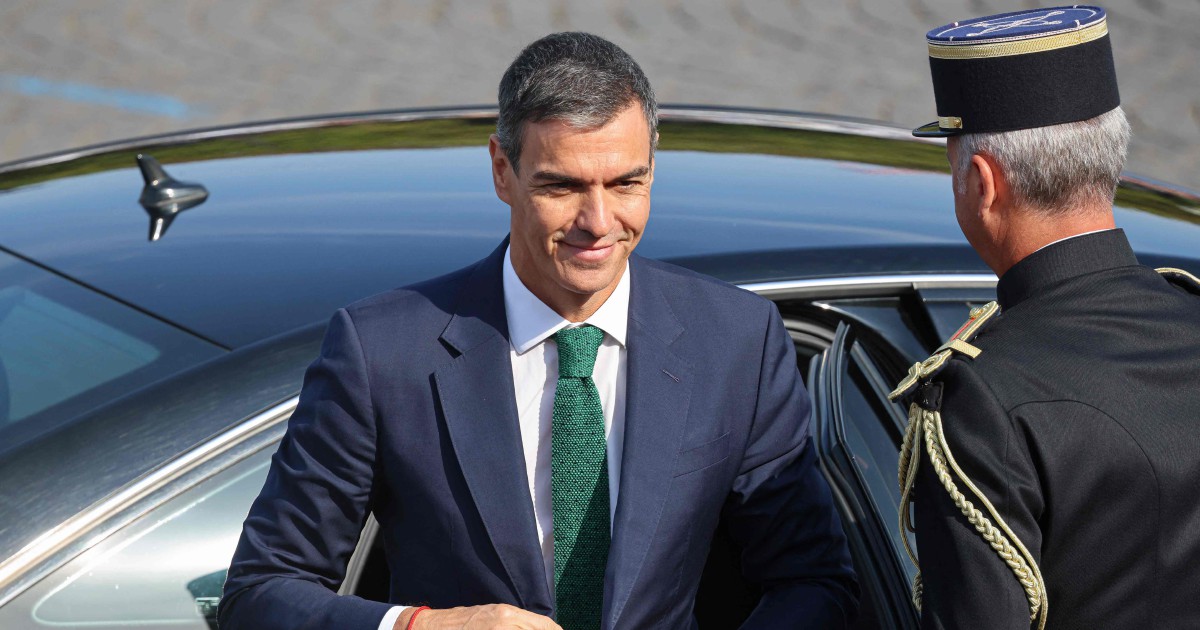
Spain's Prime Minister Pedro Sanchez has expressed admiration for the national football team's exceptional character and cohesion as they prepare to face Argentina in the World Cup final on Sunday. The comments come at a politically delicate moment for Sanchez, who is managing multiple controversies related to graft allegations that have cast a shadow over his administration in recent months.
Sanchez's public backing of the squad reflects a broader pattern in which European political leaders have invested symbolic capital in their national teams during major tournaments. Football, particularly at the World Cup level, offers domestic audiences a unifying narrative that can transcend partisan divisions and provide a counterweight to less favorable headlines emanating from government operations. For Sanchez, whose administration has faced sustained scrutiny over corruption-related matters, the spotlight on the national team provides a welcome opportunity to align his public messaging with themes of national pride and collective achievement.
The Spanish team has demonstrated a distinctive playing philosophy and tactical discipline throughout their campaign in Qatar. Their progression to the final underscores the technical quality that has long characterized Spanish football, building on the foundation laid by previous generations of players who revolutionized the sport's approach to possession-based, passing-oriented play. The current squad's ability to adapt and respond to modern competitive pressures while maintaining these foundational principles has resonated with observers of the game.
Spain's presence in the final also reflects deeper structural investments in youth development and systematic player cultivation that Spanish football authorities have prioritized over two decades. The pathways that have produced this generation of players began forming more than a decade ago, representing institutional commitments that have yielded consistent results across multiple age groups and tournaments. This systematic approach contrasts with more unpredictable tournament formats in some other footballing nations.
The looming Argentina matchup presents a compelling narrative contrast. Argentina will field a squad featuring Lionel Messi, widely regarded as among the greatest players in football history, seeking what would be the nation's third World Cup title and the first for Messi personally. The contest between Spain's collective, system-driven approach and Argentina's attacking flair and individual brilliance promises to offer a compelling stylistic examination of contemporary football philosophy.
For Malaysian and Southeast Asian observers, the World Cup final represents the culmination of a tournament that has demonstrated the sport's capacity to capture global attention and emotional investment across diverse cultural and economic contexts. The participation of teams from various continental federations has underscored football's truly international character, even as European and South American teams have historically dominated the competition's final stages. The tournament format itself has occasionally prompted discussions within Asian football circles regarding development pathways and investment strategies necessary to elevate continental standards.
Sanchez's public statements about the team's unity also speak to the psychological dimensions of elite sport performance. Championship-level football requires not merely individual technical proficiency but also collective trust, communication, and shared understanding of tactical objectives. The capacity of coaching staff to build these intangible elements often determines outcomes in closely matched competitions where technical abilities among competing nations have narrowed considerably.
The political context surrounding Sanchez's endorsement deserves scrutiny, however. Domestic graft allegations constitute serious governance concerns that cannot be displaced entirely by athletic accomplishment, however welcome the latter may be for national morale. The Prime Minister's invocation of team spirit and exceptional character raises implicit questions about governance standards and institutional accountability. While sports achievements may provide temporary psychological respite from political controversies, they do not address substantive governance challenges.
Nevertheless, the Spanish team's journey to the final represents genuine sporting accomplishment reflecting years of institutional development, coaching expertise, and player dedication. Their distinctive tactical approach has commanded respect from analysts and competing nations alike. Sunday's final will determine whether their accumulated experience and systematic preparation outweighs Argentina's individual brilliance and tournament momentum.
For Spanish audiences, the World Cup final offers a rare occasion for national celebration and collective pride transcending usual political and social divisions. The extended television coverage, public gatherings, and media discussion provide moments of shared national experience that modern societies increasingly struggle to generate. Whether or not Spain prevails on Sunday, the team's accomplishment in reaching the final has already secured their place in the public consciousness.

