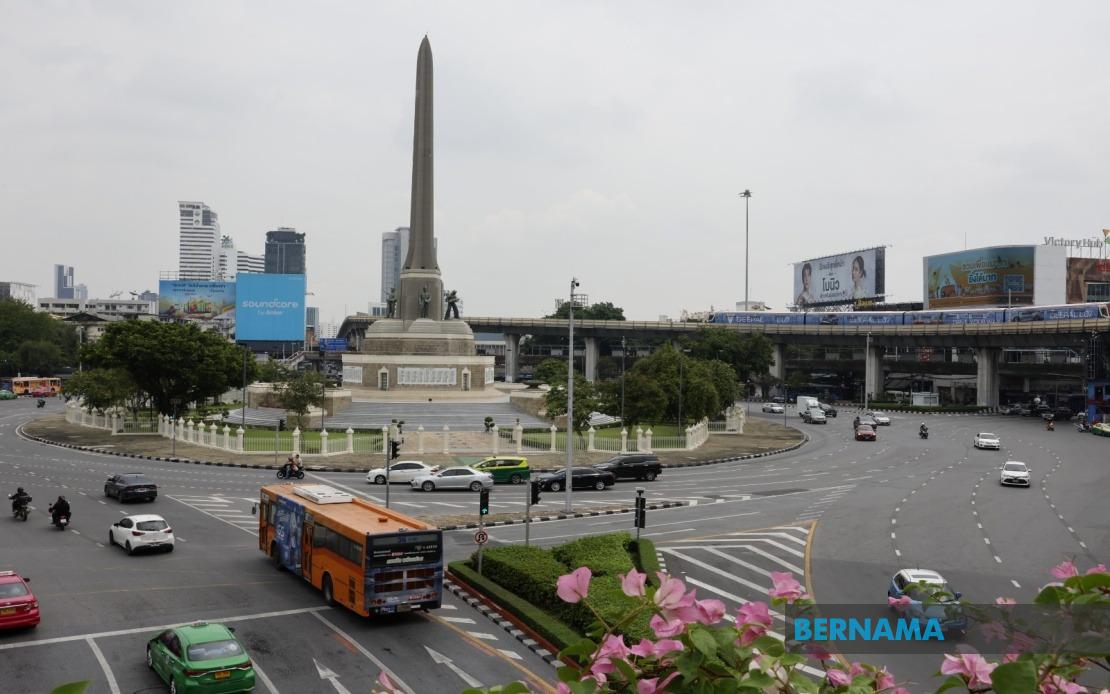
Southeast Asia's major economies are moving decisively to expand their international partnerships and unlock new growth opportunities through a flurry of high-level diplomatic engagements. The region's shifting geopolitical landscape is prompting leaders to diversify cooperation frameworks across multiple sectors, from trade and energy to technological innovation and social development. This coordinated outreach reflects the bloc's determination to position itself as an attractive investment destination while maintaining strategic autonomy in an increasingly multipolar world.
Indonesia has taken a significant step in expanding its diplomatic footprint by launching a comprehensive five-year cooperation roadmap with Belarus. President Prabowo Subianto and Belarusian President Alexandr Lukashenko formalised the Roadmap for Strengthening Indonesia-Belarus Cooperation 2026–2030, establishing a structured framework for bilateral engagement across multiple sectors. This initiative comes as Jakarta seeks to broaden its international partnerships beyond traditional partners and tap into emerging economic opportunities. The roadmap signals Indonesia's willingness to engage with nations facing international isolation, potentially opening avenues for mutual benefit in areas where both countries possess complementary strengths, particularly in agriculture, manufacturing, and resource development.
On the domestic front, Indonesia's budgetary priorities reveal a commitment to addressing regional inequalities. The Budget Committee of the Indonesian House of Representatives has signalled that regional transfer funds in the 2027 State Budget will prioritise enhancing welfare across provinces. This approach underscores Jakarta's recognition that sustainable national development depends on ensuring equitable distribution of resources and economic opportunities throughout the archipelago. By focusing transfers on raising living standards rather than mere infrastructure spending, the government aims to address underlying socio-economic disparities that have long plagued Indonesia's outer islands.
The Philippines has emerged as an active player in expanding economic partnerships with major developed economies. President Ferdinand R. Marcos Jr. and Canadian Prime Minister Mark Carney recently witnessed the signing of four substantive agreements spanning energy, labour mobility, tourism, and cultural exchange. Beyond these immediate accords, both leaders reaffirmed their commitment to concluding free trade agreement negotiations before the end of 2026. For the Philippines, a comprehensive FTA with Canada would represent a significant achievement in diversifying its export markets and attracting foreign direct investment in manufacturing and services sectors. The timing is particularly strategic, as Manila seeks to reduce its economic dependence on traditional markets while leveraging its young, educated workforce.
Vietnam is similarly charting an ambitious course to deepen economic integration with developed regions. The country has concluded negotiations on a trade agreement with the European Free Trade Association, marking a milestone in bilateral relations. This accord promises to expand market access for Vietnamese exports and facilitate investment flows from European nations seeking to diversify their supply chains away from China. Simultaneously, Vietnam continues to strengthen cooperation with Japan, particularly in cutting-edge sectors including semiconductors, artificial intelligence, digital transformation, and green energy transition. The Japan Bank for International Cooperation's ongoing commitment to supporting Vietnam's development underscores Tokyo's strategic interest in Southeast Asia's technological advancement and climate resilience.
Myanmar, despite its complex internal political situation, has pursued pragmatic engagement with international partners. Recent high-level talks with Belarus focused on expanding economic cooperation and investment across industrial, agricultural, pharmaceutical, and humanitarian domains. These discussions suggest that Myanmar, despite international isolation on political grounds, remains focused on attracting investment and technology transfer that could contribute to economic recovery and development. The emphasis on diversified sectors indicates a strategic effort to reduce economic vulnerability through multi-sector partnerships.
Thailand's governance priorities reflect broader regional concerns about institutional integrity and labour standards. Prime Minister Anutin Charnvirakul has disclosed that authorities uncovered significant irregularities in a local civil-servant recruitment examination, implicating four organised groups and resulting in disciplinary action against five officials. This revelation underscores the challenges Southeast Asian nations face in maintaining merit-based systems amid corruption pressures. Additionally, Thailand's criminal courts have intensified enforcement against transnational commercial surrogacy networks, sentencing four medical professionals and four brokers to prison terms of up to 15 years. This legal action reflects Thailand's commitment to tightening oversight of exploitative international practices and protecting vulnerable populations from commodification.
Laos is prioritising infrastructure modernisation and environmental management as foundations for long-term development. The completion of the Mekong River Integrated Management Project Phase II represents significant progress in flood prevention and riverbank redevelopment. By transforming the riverbank into a tourism and recreation destination, Laos aims to generate revenue while protecting communities from seasonal flooding. Concurrently, the National Assembly has intensified deliberations on poverty reduction, clean energy adoption, and sustainable natural resource management. These policy discussions reflect a growing recognition across Southeast Asia that environmental sustainability and economic development must proceed in tandem.
The broader pattern across Southeast Asia demonstrates a region increasingly confident in pursuing its own strategic interests while maintaining engagement with multiple global powers. Indonesia's openness to Belarus cooperation, the Philippines' focus on developed-world partnerships, and Vietnam's simultaneous engagement with Japan and the EU show calculated diversification rather than bloc alignment. Myanmar's economic pragmatism, Thailand's institutional reforms, and Laos's infrastructure focus all point toward nations seeking to maximise development gains within their respective political constraints.
For Malaysian observers, these regional developments carry significant implications. As ASEAN's economic engine and regional financial centre, Malaysia benefits from a dynamic Southeast Asia characterised by growing intra-regional trade, increased foreign investment, and technological diffusion. The expansion of bilateral FTAs and investment frameworks creates interconnected opportunities for Malaysian companies to participate in regional value chains. Furthermore, the region's collective commitment to addressing governance, environmental, and labour standards—demonstrated through Thailand's surrogacy enforcement and Laos's environmental initiatives—helps establish regulatory standards that benefit responsible Malaysian business operators while deterring exploitation and unfair competition.
The diplomatic momentum evident across Southeast Asia in mid-2026 suggests the region is moving toward greater economic integration while maintaining strategic flexibility in international relations. Each nation's pursuit of tailored partnerships reflects recognition that no single relationship can meet all development needs. This pragmatic pluralism, combined with demonstrated commitment to institutional reform and sustainable development, positions Southeast Asia as an increasingly attractive destination for responsible global investment. Malaysian policymakers should view these regional trends not as competition but as complementary developments that strengthen the entire region's attractiveness and stability, ultimately benefiting all participants in ASEAN's economic ecosystem.

