Indonesia has begun a significant partnership with the international research organisation OceanX to enhance the management and conservation of seven marine national parks within its waters. The Indonesian Ministry of Forestry is anchoring this initiative, which reflects the country's commitment to preserving its substantial maritime biodiversity. With Southeast Asia holding critical ocean ecosystems that span from the Indian Ocean to the Pacific, this collaboration signals how regional governments are increasingly turning to specialised international expertise to address the scale of conservation challenges facing tropical marine environments.
Simultaneously, the Indonesian government found itself clarifying its enforcement of immigration law following the deportation of Palestinian national Abdul Karim Raed Miqdad. Officials have explained that the action was undertaken in response to a formal red notice request issued by Cypriot authorities through Interpol channels. The government specifically noted that Miqdad is neither an activist nor a religious preacher, addressing potential misunderstandings about the nature of the deportation. This incident illustrates the complex intersection of national security, diplomatic coordination and immigration enforcement that Southeast Asian governments navigate routinely, particularly when responding to international law enforcement mechanisms.
In Laos, President Thongloun Sisoulith has directed comprehensive measures to safeguard the Xong River, emphasising the need to combat illegal mineral extraction activities that threaten the waterway. His orders encompass tighter urban planning oversight and elevated tourism management standards, all aimed at protecting Vang Vieng's standing as a premier destination within Laos' tourism sector. The directive reflects broader concerns across the Mekong region about unsustainable resource extraction and the tension between economic development and environmental preservation. By linking river protection to tourism quality, the presidential order positions environmental stewardship as economically rational rather than merely regulatory.
Laos is also benefiting from enhanced international development cooperation. The Korea International Cooperation Agency operating in the country has committed to funding US$4.4 million to modernise livestock product safety management systems. This investment will strengthen oversight across the entire supply chain, from production through distribution, addressing a critical gap in food safety infrastructure. For a region where agricultural exports constitute a significant economic pillar, such capacity-building initiatives help smaller economies meet international quality standards and access premium markets.
Myanmar's Consumer Affairs Department has mandated that all pre-packaged snack foods must display labels in the Myanmar language, ensuring consumers have transparent access to ingredient information. This regulatory move prioritises consumer awareness and protection, creating accountability within the food manufacturing sector. The language requirement also reflects broader nationalist sentiment concerning market governance and consumer rights. Meanwhile, Myanmar and Vietnam have renewed their commitment to bilateral cooperation, agreeing to expand tourism, trade and investment flows while deepening economic development linkages. Such reaffirmations remain important given the complex regional geopolitics and the need for stability among neighbouring states.
At the multilateral level, the Philippines hosted significant discussions during ASEAN's latest series of meetings with external partners. Energy and food security emerged as dominant themes, reflecting the region's vulnerability to Middle East instability and global supply chain disruptions. For Southeast Asian nations heavily dependent on energy imports and with expanding populations dependent on food security, these concerns have immediate economic and political implications. The Philippines' leadership in framing these discussions underscores its role within ASEAN as a voice advocating for regional interests in broader geopolitical contexts. Beyond the formal agenda, such meetings provide opportunities for ASEAN governments to coordinate responses to shared challenges and present a collective position to major powers.
Singapore announced Cabinet changes as Prime Minister Lawrence Wong executed a leadership transition balancing experience with generational renewal. This reshuffle represents calculated succession planning, ensuring institutional continuity while incorporating younger officials into the highest levels of government. Such transitions in Singapore's highly structured governance environment are closely watched across the region as indicators of policy direction. Adding to Singapore's standing in regional affairs, the nation's passport retained its position as the world's most powerful, offering visa-free or visa-on-arrival access to 192 destinations. This reflects the city-state's diplomatic positioning and the international confidence vested in its governance model.
Thailand's Police Commission unanimously endorsed Pol Gen Samran Nuanma as the nation's 16th national police chief, succeeding Pol Gen Kitrat Phanphet upon his retirement on September 30. In Thailand, the police leadership position carries substantial influence over internal security operations and carries political weight within broader governance structures. The unanimous endorsement suggests consensus among commission members regarding Samran's suitability for the role. This appointment comes amid ongoing concerns about police institutional development and reform within Thailand's security apparatus.
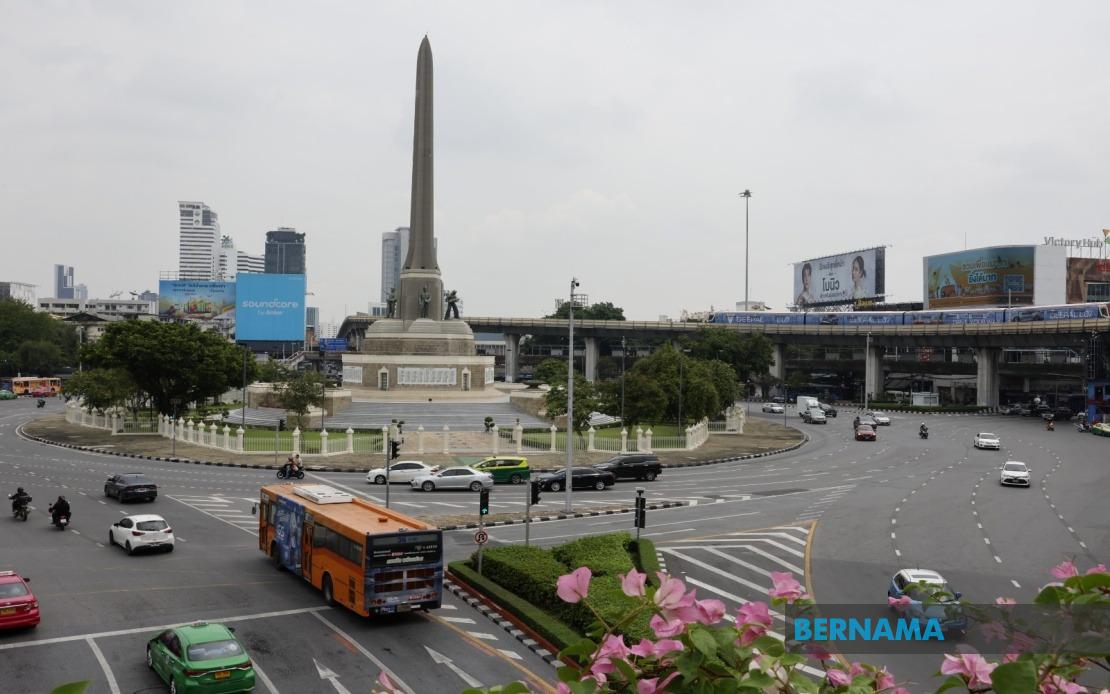
Bangkok's critical Airport Rail Link resumed full service after officials successfully cleared a derailed train from the Khlong Tan depot. The resumption of this transportation artery is significant for Bangkok's economy and international connectivity, as the rail link serves as the primary rapid transit connection between Suvarnabhumi Airport and central Bangkok. Any disruption to this infrastructure affects tourism flows, business travel and the city's reputation as a logistics hub. The swift restoration demonstrates the operational capacity of Bangkok's transport management systems.
Vietnam reported a contraction in overseas remittances, a development with potentially significant implications for household incomes and consumption patterns in the country. Remittances represent a substantial income source for many Vietnamese families, particularly in rural areas, and fluctuations in these flows can influence domestic economic activity, poverty levels and migration patterns. A shrinking remittance trend may reflect broader global economic conditions affecting Vietnamese diaspora communities or shifts in migration patterns to lower-remittance destination countries. For policymakers across the region with large overseas worker populations, such trends warrant careful monitoring as they influence both family welfare and macroeconomic stability.

