Indonesian customs authorities have made a significant enforcement breakthrough, intercepting 23.7 kilograms of 24-karat gold valued at approximately Rp63 billion (US$3.52 million) at Soekarno-Hatta International Airport. The operation resulted in the arrest of seven Chinese nationals and one Indonesian airport ground-handling employee across two coordinated interception actions. The seizure highlights persistent vulnerabilities in the region's logistics hubs, where smugglers continue attempting to move high-value precious metals through international gateways. The incident underscores how organised criminal networks exploit airport staff and supply chain complexity to route contraband, even as security measures improve.
Meanwhile, Indonesia is charting an ambitious course in the automotive sector through the introduction of the National Electric Motorcycle initiative, known as Molinas. Investment and Downstreaming Minister Head Rosan Perkasa Roeslani, who also serves as Danantara CEO, framed the programme as central to achieving transportation independence and reducing reliance on imported vehicles. The motorcycles represent a strategic diversification for a nation where two-wheelers dominate consumer transport and where domestic fuel consumption remains high. By establishing local production capacity for electric models, Indonesia seeks to create manufacturing jobs, develop supply chains, and position itself as a regional EV hub—a critical competitive advantage as neighbouring countries accelerate their own electrification agendas.
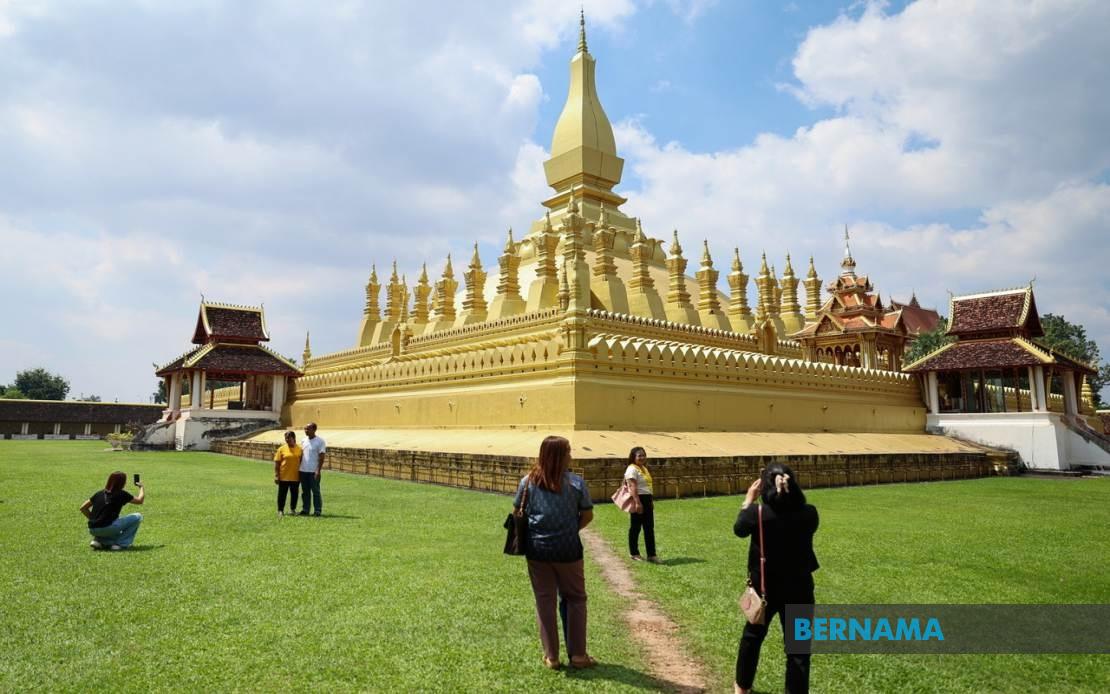
In Laos, the investment landscape has expanded substantially, with government approvers clearing 34 new projects valued at US$8.5 billion (RM35 billion) during the first seven months of 2026. These initiatives span sensitive domains, including national security, public order, and environmental protection. The breadth of approved sectors suggests Vientiane's willingness to attract foreign capital whilst safeguarding strategic interests. For Malaysian investors and businesses monitoring regional opportunities, Laos's openness to large-scale projects presents both opportunities and considerations regarding geopolitical alignment and infrastructure partnerships.
Flood recovery efforts have become an urgent priority in Laos, where water damage to irrigation infrastructure threatens agricultural productivity. Authorities in Champasak province are coordinating rebuilds of damaged channels along the Mekong River, particularly in Phonthong district. These assets are essential for sustaining rice cultivation and diversified crop production aimed at both domestic food security and export competitiveness. The reconstruction effort reflects climate vulnerability endemic to the Mekong basin and the interconnectedness of water management across borders—a concern shared by Thailand, Cambodia, and Vietnam as they navigate annual monsoon impacts.
Myanmar's demographic composition presents both development opportunities and governance challenges. With women constituting approximately 53 percent of the population, Belarus and Myanmar have initiated cooperation frameworks focused on advancing women's development, with particular emphasis on rural and youth empowerment. Such partnerships address longstanding disparities in education, economic participation, and political representation. However, Myanmar's public health infrastructure faces immediate strain. Yangon General Hospital reported 182 diarrhoea admissions between August 9 and 12, with 54 cases confirmed as severe diarrhoeal pathogens. One elderly patient died, signalling potential waterborne contamination or sanitation gaps in the city's health system.
The Philippines confronts an international diplomatic complication following reports of over 100 Filipino arrests in China. The Department of Foreign Affairs commenced verification procedures to establish the circumstances surrounding these detentions, reflecting broader tensions over labour migration, maritime disputes, and bilateral relations. Such incidents historically trigger diplomatic negotiations and occasionally broader bilateral friction. The government's cautious verification approach suggests sensitivity to the issue's potential ramifications for Filipino workers abroad and for regional geopolitics.
Manila's aviation sector has experienced modest relief as fuel costs moderate. The Civil Aeronautics Board implemented Level 12 fuel surcharge pricing for the August 16-31 period, a reduction from Level 13 in the first fortnight. This one-notch decrease, whilst modest in absolute terms, alleviates immediate cost pressures on carriers and may moderately benefit passengers, though structural fuel price volatility remains a persistent challenge for the industry.
Singapore's diplomatic calendar included formal condolences from Prime Minister Lawrence Wong to Chinese Premier Li Qiang following the death of former Chinese Premier Zhu Rongji. Such ceremonial exchanges reflect Singapore's maintenance of careful diplomatic balance and its historical ties to China's leadership. Domestically, Singapore implemented new regulatory frameworks for property agents, requiring completion of at least three transactions over three years or passage of refresher examinations to maintain industry licensing from the start of 2027. The stricter criteria aim to eliminate inactive practitioners and strengthen consumer protections, addressing longstanding concerns about sales conduct and professional standards.
Thailand's seasonal weather patterns have intensified operational concerns across government agencies. Persistent monsoon rainfall has placed twelve Thai provinces under elevated flood risk, prompting intensified water condition monitoring by central authorities responding to monsoon trough and southwest monsoon influences. Concurrently, the Thai Hotels Association has petitioned the Tourism and Sports Ministry to restructure its "Thai Teaw Thai Plus" subsidy scheme, advocating for revenue-based hotel selection and permission for dynamic pricing strategies. The association contends such modifications would stimulate sector recovery and provide survival support for smaller hospitality operators buffeted by tourism volatility and operational costs.
Regional tourism dynamics continue shifting as new commercial partnerships emerge. Vietnam's business community has attracted Turkish interest, with Turkey welcoming expanded Vietnamese commercial engagement. This bilateral commercial outreach reflects broader Southeast Asian integration into global supply chains and growing recognition of Vietnamese manufacturing and export capabilities among non-traditional partners. The diversification of Vietnam's international business relationships strengthens its negotiating position and expands market access beyond traditional trading partners.
Collectively, these developments illustrate Southeast Asia's simultaneous pursuit of modernisation, security, and economic resilience. Indonesia's automotive transformation, Laos's investment appetite, and Singapore's regulatory sophistication reflect region-wide momentum toward structural change. However, persistent challenges—transnational smuggling, climate vulnerability, public health gaps, and diplomatic friction—demand continued institutional strengthening and cross-border coordination. For Malaysian policymakers and businesses, these regional trends underscore the importance of strategic positioning within Southeast Asia's increasingly competitive and interconnected economy.

