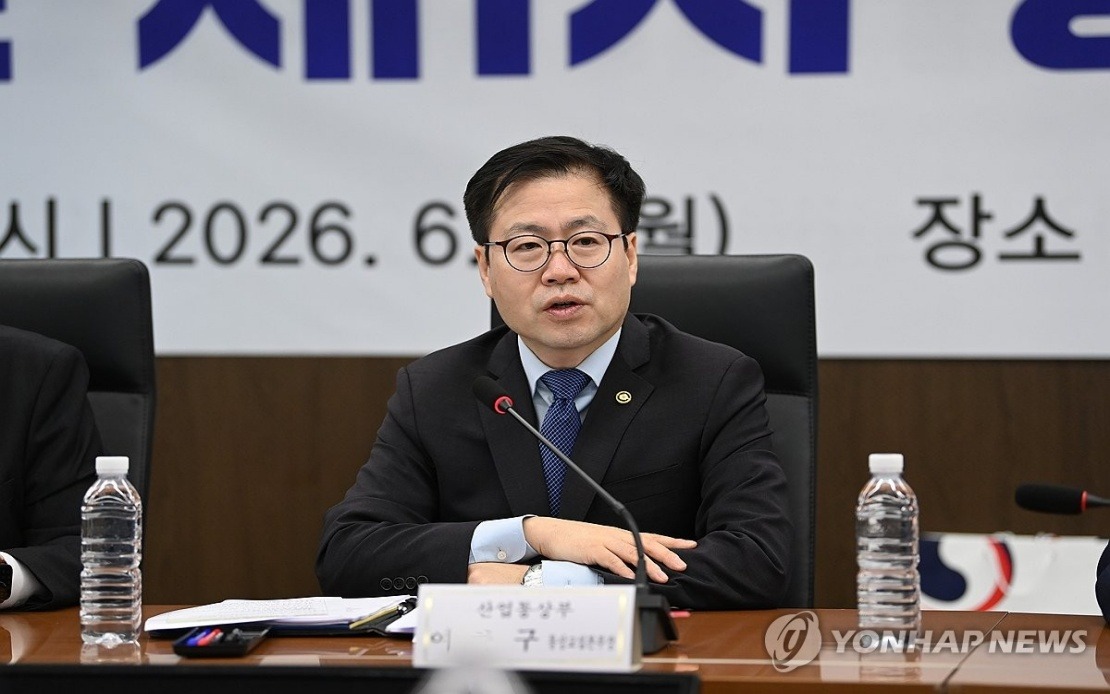
South Korea's chief trade negotiator Yeo Han-koo has been removed from his post, the Ministry of Trade, Industry and Energy confirmed on Saturday, marking a significant personnel shift as Seoul confronts intensifying pressure from the United States over longstanding trade disagreements and newly imposed tariffs.
Yeo received notification of his dismissal through the Ministry of Personnel Management on Friday, though government officials declined to provide specific justification for the decision. The abruptness of the move and the silence surrounding its rationale have fuelled speculation about the circumstances leading to his removal from a position considered critical during fraught negotiations with Washington.
Government representatives moved swiftly to distance the dismissal from trade matters, with one official telling Yonhap News Agency that Yeo's removal bore no connection to ongoing tariff negotiations between Seoul and Washington. This statement appeared designed to quell immediate concerns that the firing reflected broader failures in managing the deteriorating bilateral trade relationship. However, the timing of the announcement—coming amid a flurry of US trade actions—suggested otherwise to many observers.
Yeo himself rejected suggestions that personal misconduct prompted his dismissal, issuing a statement characterising such claims as baseless. He indicated his willingness to pursue legal remedies against what he termed false reporting, signalling his determination to defend his reputation following what appeared to be an unexpected career setback.
The personnel change arrives during one of the most challenging periods in recent Seoul-Washington trade relations. South Korea faces mounting demands from the Trump administration to accelerate investment commitments previously negotiated under a bilateral trade framework. Simultaneously, a separate controversy has emerged involving Coupang, the American-listed e-commerce behemoth, which faces fines imposed by Seoul regulators over a significant personal data breach—a matter that has become another point of friction between the two governments.
On Thursday, just one day before Yeo's dismissal became public, President Donald Trump signed a proclamation introducing fresh tariffs targeting drones and related components, with South Korea facing a 15 percent levy on relevant imports. This action represents part of a broader pattern of American trade pressure that Seoul has struggled to contain, particularly as the incoming Lee Jae Myung administration—which took office in May 2025—grapples with managing a relationship that shows little sign of stabilising.
Yeo brought substantial experience to the role, having previously served as trade minister during the Moon Jae-in administration, which concluded before the current government's inauguration. His reappointment following Lee's arrival in office suggested confidence in his ability to navigate the complex bilateral negotiations. Since resuming the position, he has been instrumental in orchestrating dialogue with Washington on multiple fronts, from tariff discussions to ensuring Seoul's compliance with investment pledges outlined in existing trade agreements.
For Malaysia and other Southeast Asian nations, South Korea's trade difficulties carry significant implications. Seoul's struggles with Washington foreshadow potential pressure on the broader region, as the United States pursues increasingly aggressive trade strategies. Should the US-Korea relationship further deteriorate, it could accelerate attempts by the Trump administration to impose tariffs on other Asian exporters, including electronics, automotive parts, and agricultural products where countries like Malaysia maintain substantial interests.
The dismissal of Yeo also raises questions about the continuity and coherence of Seoul's negotiating strategy. Trade negotiations require sustained engagement and institutional memory; frequent personnel changes at senior levels can disrupt communication channels and weaken a nation's bargaining position. For regional observers, Yeo's removal signals potential instability in how South Korea manages its most important bilateral relationship outside Northeast Asia.
The lack of transparency surrounding the dismissal compounds concerns about Seoul's ability to respond effectively to US pressure. Whether the removal reflects internal policy disagreements, political calculations, or genuine performance issues remains unclear—a situation unlikely to reassure either South Korean businesses dependent on American markets or regional trading partners watching the US-Korea dynamic closely.
As Seoul searches for a replacement, the window for addressing the pressing trade issues with Washington remains narrow. The escalation of drone tariffs and the unresolved Coupang matter demand urgent attention, yet the departure of an experienced negotiator at such a critical juncture raises doubts about Seoul's near-term capacity to stabilise the relationship. For Malaysia and Southeast Asia, the episode underscores the fragility of trade relationships in an era of American protectionism and the vulnerability of smaller nations when major powers engage in bilateral disputes.

