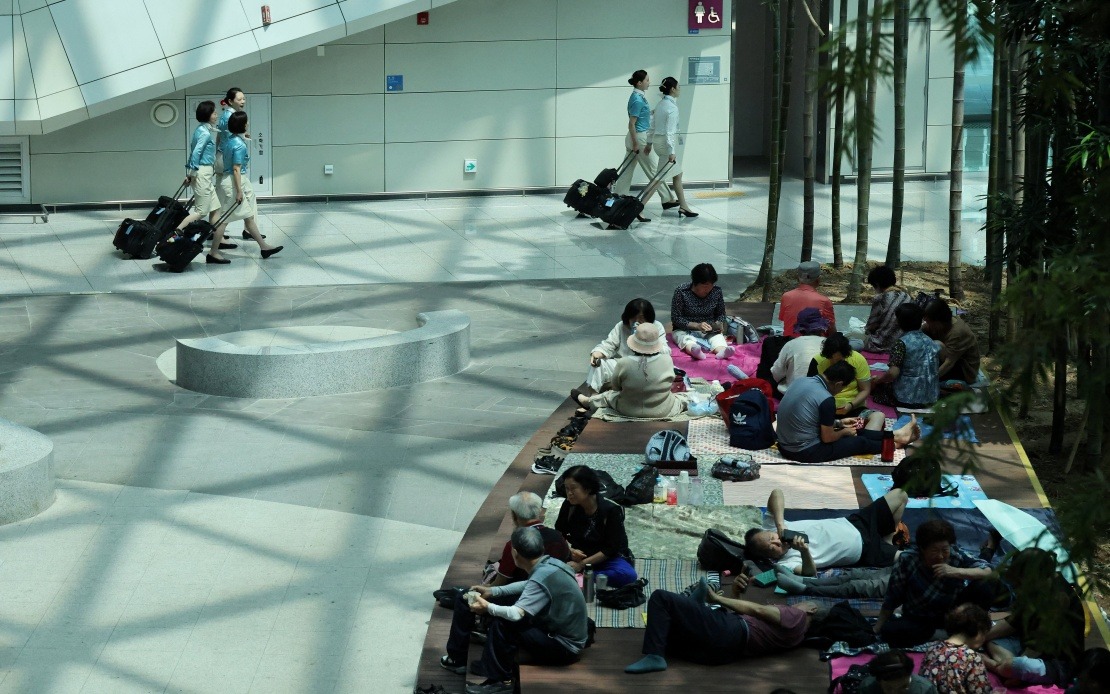
South Korea is confronting a stark medical crisis as heat-related illnesses have multiplied significantly across the nation, with government data underscoring the mounting public health challenge posed by warming summer conditions. According to analysis from a research institute operating under the interior ministry and drawing on records from the Korea Disease Control and Prevention Agency (KDCA), the prevalence of heat-induced medical conditions during the late-summer period—traditionally marked by ipchu on August 7—has accelerated dramatically over the past decade, signalling worsening climate pressures on the population.
The trajectory of heat-related illness cases reveals a concerning pattern of escalation. Between 2011 and 2015, an average of 215 patients annually reported heat-related conditions from ipchu through the end of August. This baseline figure more than tripled during the subsequent five-year window from 2016 to 2020, when the annual average climbed to 658 cases. The most recent five-year period spanning 2021 to 2025 recorded 638 cases annually, demonstrating that although the rate of increase appears to have plateaued marginally, the absolute burden remains substantially elevated compared to a decade earlier. This persistent elevation suggests that South Korean healthcare systems have adapted to manage higher caseloads, yet the underlying environmental stressor—extreme heat—continues unabated.
Mortality figures compound the public health concern. Deaths attributable to heat-related illness rose from an annual average of 3.3 fatalities during 2012-2015 to more than four deaths per year across the 2016-2025 decade, representing a modest but meaningful uptick in fatal outcomes. This increase in mortality, while smaller in percentage terms than the surge in illness cases, reflects the severity of extreme heat exposure and highlights vulnerable populations—the elderly, those with chronic conditions, and individuals lacking adequate access to cooling—who face heightened risk during prolonged thermal stress.
The 2024 summer season exemplifies the intensifying crisis. From ipchu through late August, South Korea recorded 1,299 heat-related illness patients and 12 deaths, figures that substantially exceed the decade-long averages and underscore the volatility year-to-year. On Friday alone, 202 people sought emergency treatment nationwide for heat-related conditions, with three fatalities occurring within that single 24-hour period. These daily figures illustrate how rapidly the situation can deteriorate when conditions prove particularly severe, overwhelming emergency medical services and exposing systemic vulnerabilities in disaster response capacity.
The immediate outlook suggests continued exposure to dangerous thermal conditions. Meteorological forecasts predict persistent heat waves extending through late August 2024, with daytime temperatures anticipated to fluctuate between 31 and 35 degrees Celsius across South Korea's regions. These sustained elevated temperatures create cumulative physiological stress, particularly for individuals engaged in outdoor labour, those unable to access air conditioning, and elderly populations with reduced thermoregulation capacity. The extended duration of heat exposure amplifies health risks beyond acute heat stroke or exhaustion to include exacerbation of underlying cardiovascular and respiratory conditions.
Government response mechanisms have expanded in recognition of this escalating threat. Since May 15, the Korea Disease Control and Prevention Agency has operated a comprehensive heat-related illness monitoring system designed to track incidence patterns and coordinate response efforts. Under this surveillance programme, 3,089 heat-related cases have been documented nationally through late August, alongside 26 confirmed deaths. The monitoring system provides real-time data enabling public health authorities to identify hotspots, allocate resources strategically, and issue targeted warnings to vulnerable populations, though the sheer volume of cases underscores the system's strain and the magnitude of the underlying problem.
The escalation of heat-related illness in South Korea reflects broader climate dynamics affecting the entire East Asian region, with implications extending beyond the peninsula's borders. Intensifying heat patterns and prolonged thermal events characteristic of recent decades suggest that climate change is reshaping seasonal disease burdens across Asia. Malaysia and Southeast Asian nations, already situated in tropical and subtropical climate zones with high baseline temperatures, face analogous pressures though manifested through different epidemiological pathways. Understanding South Korea's experience in managing heat-related health emergencies offers instructive lessons for regional governments developing adaptation strategies.
The South Korean case demonstrates that even developed healthcare systems with substantial resources require fundamental shifts in public health infrastructure and individual behaviour when confronted with climate-driven disease patterns. Heat illness prevention increasingly demands not merely treating acute cases but implementing preventive measures spanning urban planning, workplace regulations, public education campaigns, and targeted protection for high-risk demographics. Cooling centres, occupational heat exposure limits, and elderly welfare programmes represent essential components of comprehensive heat resilience strategies.
The triple increase in heat-related illnesses over a decade represents a significant demographic and health system marker, signalling that South Korea's population is experiencing novel exposure patterns without precedent in recent history. The confluence of aging demographics, urbanisation, and changing climate conditions creates multiplicative risks. Elderly individuals comprise a disproportionate share of heat-illness fatalities, while urban heat island effects concentrate thermal stress in densely populated areas where cooling infrastructure remains unequally distributed across socioeconomic strata.
Looking forward, South Korea's experience indicates that managing heat-related health crises requires sustained commitment to monitoring, research into vulnerability factors, and population-wide preparedness initiatives rather than episodic emergency response. The relatively modest decline from 658 cases annually in 2016-2020 to 638 in 2021-2025 may reflect increased public awareness and adaptation rather than any fundamental improvement in underlying thermal stress, underscoring that progress remains fragile and contingent upon continued vigilance and investment in heat resilience infrastructure and public health messaging.

