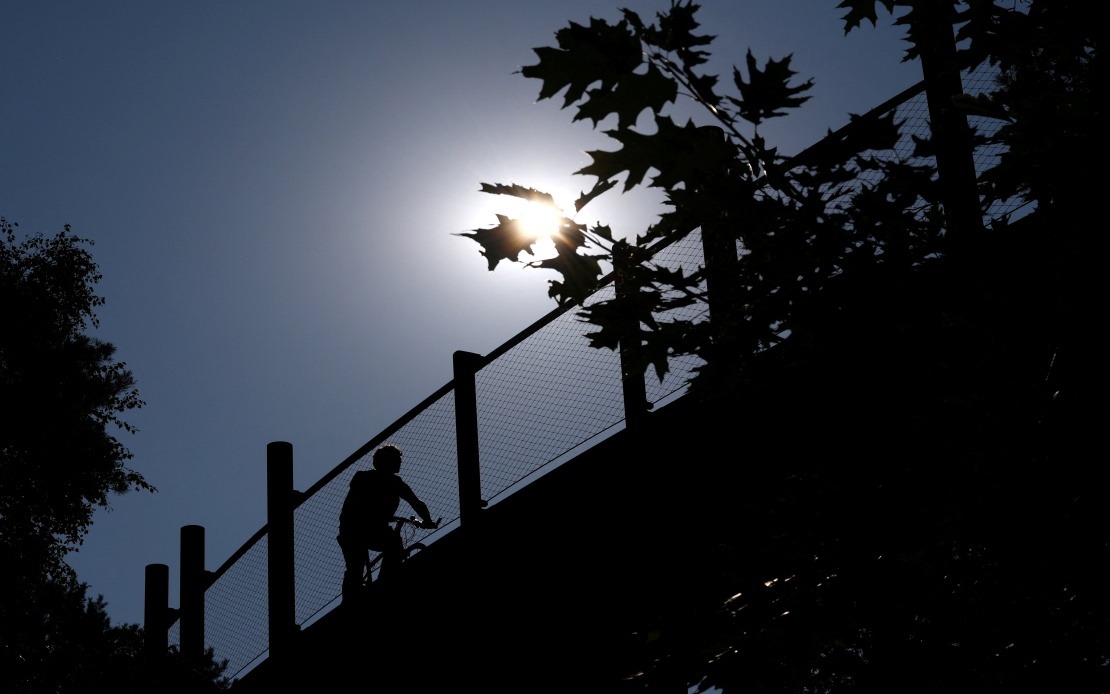
South Korea is confronting a mounting public health crisis as the death toll from heat-related illnesses climbed to 21 in 2024, outpacing the previous year's fatalities despite a lower overall number of cases seeking medical attention. The Korea Disease Control and Prevention Agency disclosed the sobering figures on Wednesday, revealing a troubling shift in the severity of heat exposure impacts on the country's population. Since authorities activated their heat-related illness monitoring system in mid-May, a total of 2,441 patients have presented to emergency rooms for conditions linked to extreme temperatures, marking a decline in case numbers compared to the same period in 2023. Yet the paradox of fewer people falling ill but more deaths occurring signals a potentially more lethal quality to this year's heat events.
The composition of heat-related medical emergencies provides insight into the varying manifestations of thermal stress affecting South Koreans. Heat exhaustion dominated reported cases at 61.7 per cent, representing the most common presentation as the body struggles to regulate temperature through profuse sweating and fluid loss. Heat stroke, the most dangerous category characterised by dangerously elevated core body temperature and altered mental status, accounted for 16.8 per cent of cases. Heat cramps, typically affecting muscular function through sodium depletion and dehydration, rounded out the spectrum at 11.5 per cent. The distribution underscores how extreme heat affects populations across a wide spectrum of severity, from manageable conditions to life-threatening emergencies.
Recent casualties underscore the vulnerability of outdoor workers to thermal hazards. One fatality involved a 60-year-old agricultural labourer in Eumseong county, North Chungcheong Province, who collapsed while working on a farm on Tuesday. Such incidents highlight how occupational exposure to unrelenting heat, particularly in agricultural settings where workers remain in direct sunlight for extended periods with limited shade or cooling opportunities, creates dangerous conditions that can rapidly become fatal. The rural and agricultural demographics of heat casualties warrant specific attention and protective measures tailored to worker safety in outdoor industries.
The geographic concentration of extreme heat is intensifying pressure on vulnerable regions. The state weather agency has escalated warnings for the greater Seoul metropolitan area, placing 43 per cent of the region under the highest alert level. Seoul itself faces particularly dangerous conditions, with temperatures expected to reach 39 degrees Celsius on Thursday, representing potentially life-threatening conditions for elderly populations, those with pre-existing health conditions, and individuals without adequate access to cooling facilities. The capital's dense urban environment, characterised by high building density and limited vegetation, can amplify temperatures through the urban heat island effect, making official temperature readings lower than the actual thermal experience in many neighbourhoods.
For Malaysian and Southeast Asian observers, South Korea's escalating heat crisis carries significant relevance as climate patterns affecting the Korean Peninsula increasingly mirror broader regional trends. The region's monsoon systems and atmospheric circulation patterns overlap substantially with Southeast Asian weather systems, suggesting that heat intensification occurring in East Asia often precedes or accompanies similar developments across the region. Malaysia's tropical climate already presents persistent thermal challenges, but the rising severity of heat events in temperate zones demonstrates that even traditionally cooler regions face mounting risks from climate change.
The medical infrastructure's burden under heat surges offers lessons for health system planning across Asia. South Korea's comprehensive surveillance system, tracking cases since mid-May, represents a sophisticated approach to monitoring population health impacts. The ability to rapidly identify and count heat-related presentations allows authorities to deploy resources strategically and issue targeted warnings. Southeast Asian nations, often facing heat challenges without equivalent monitoring infrastructure, might benefit from studying South Korea's systematic approach to heat-health surveillance and emergency response coordination.
Vulnerability patterns revealed through South Korean data suggest that heat mortality transcends simple economic categorisation. Despite South Korea's status as a high-income nation with modern healthcare, universal health insurance, and public awareness campaigns, the death toll continues rising. This phenomenon indicates that heat lethality depends significantly on social factors: whether individuals live in adequately cooled homes, whether employment provides heat breaks and hydration, and whether populations receive timely public warnings. These structural vulnerabilities exist across income levels but disproportionately affect elderly populations, migrant workers, and those in precarious employment situations.
Climate scientists attribute intensifying heat events to broader atmospheric patterns intensified by global warming. The persistence of high-pressure systems over the Korean Peninsula has created stalled weather patterns that trap heat for extended periods. Such patterns, increasingly common across temperate Asia, represent departures from historical norms that public health systems and individual populations have not yet adapted to manage safely. The infrastructure built during cooler climatic regimes, from building design to occupational safety standards, inadequately addresses current thermal realities.
Public health authorities across Asia might heed South Korea's experience regarding the disconnect between overall case numbers and mortality rates. A declining case count alongside rising deaths suggests that the most severe cases are becoming more severe rather than that fewer people overall are affected by heat. This pattern could indicate that temperature extremes are concentrating rather than dispersing, creating pockets of genuinely dangerous conditions that progress rapidly to critical illness. Understanding this shift matters for designing prevention strategies and targeting interventions toward those facing the greatest risk.
The upcoming months present particular challenges as South Korean summer typically intensifies through August, traditionally the hottest month. With death tolls already exceeding last year's annual total, authorities face pressure to implement emergency measures while the heat persists. Such measures might include extending public cooling centres, mandating workplace heat safety protocols, and intensifying warnings targeting high-risk populations. Southeast Asian governments facing similar thermal challenges could examine these interventions' effectiveness and feasibility for adaptation to their own contexts, potentially preventing comparable mortality surges in regions where heat exposure represents an entrenched feature of the climate rather than an emerging crisis.

