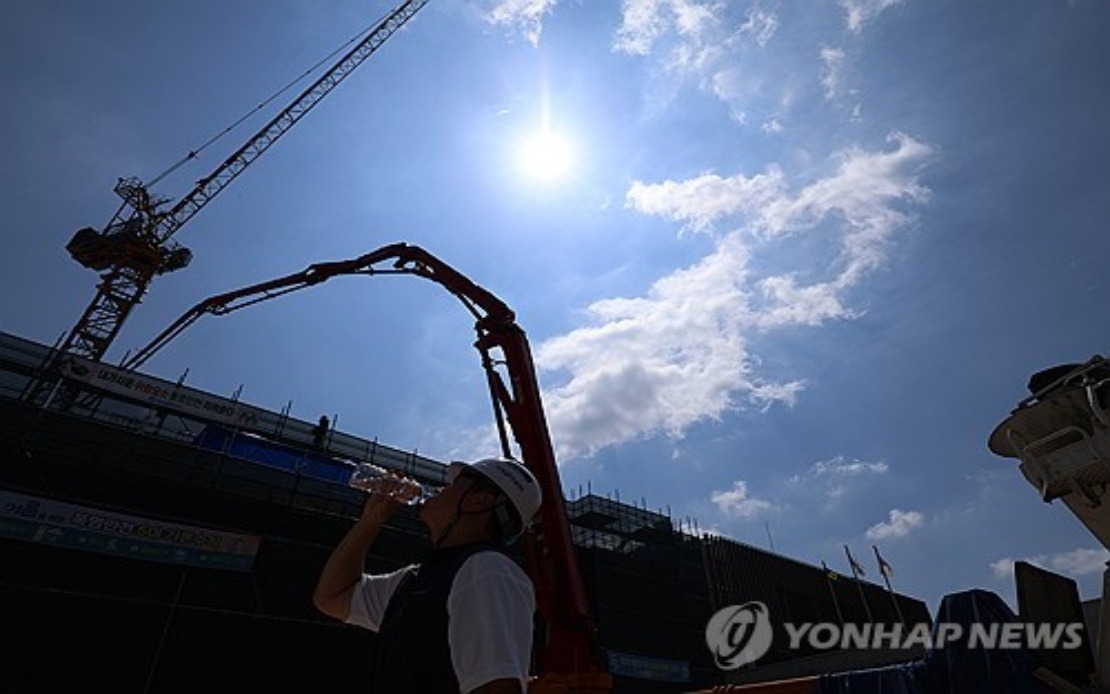
South Korea is grappling with an intensifying heat crisis that has prompted authorities to issue the highest-level weather alerts across much of its most populous region. On Wednesday, the Korea Meteorological Administration expanded serious heat wave warnings to cover 20 of the 46 land weather advisory areas in the capital region, affecting approximately 43 per cent of the greater Seoul metropolitan area. The escalation came as sweltering conditions spread through southern Incheon and nine municipalities in Gyeonggi Province, including Gwangmyeong, Yeoncheon and Hwaseong, with these alerts taking effect from 11 am.
The expansion of top-tier warnings represents a dramatic intensification of the heat emergency facing East Asia's fourth-largest economy. The previous day had already marked a historic threshold when Seoul itself was placed under the highest alert level for the first time since the Korea Meteorological Administration introduced its heat wave alert system on June 1. This milestone underscores just how unprecedented current conditions have become, even in a nation accustomed to hot, humid summers. The speed at which warnings are being upgraded and extended suggests meteorological models are anticipating the situation will worsen before any relief materialises.
The geographic spread of extreme conditions is proving particularly concerning. In addition to the expanded warnings across the capital region, authorities issued the highest alert for Cheongyang County in South Chungcheong Province, marking the first time this alert level has been triggered in the central Chungcheong provinces. This expansion into regions not typically at the centre of Seoul's heat island effect indicates that the current weather system is affecting virtually the entire central and western portions of the Korean Peninsula. The involvement of Chungcheong marks a significant shift in how the heat wave is developing and suggests that few areas of densely populated South Korea are escaping the worst of the conditions.
The criteria for issuing such warnings reveal just how extreme current temperatures have become. According to Korea Meteorological Administration guidelines, a serious heat wave warning is activated when apparent temperatures—which account for humidity and wind chill factors—reach 38°C or higher, or when daily maximum temperatures hit 39°C or higher. These thresholds apply to areas where the highest apparent temperature has already reached 35°C for at least two consecutive days. The fact that such warnings are being issued repeatedly across the greater Seoul area suggests these thresholds are not merely being met but substantially exceeded across multiple days.
Temperature records underscore the exceptional nature of this heat event. In Yangsan, a southeastern city, thermometers recorded 42.5°C, which stands as the highest temperature documented since modern weather observation records began in 1904. This figure is not merely a new seasonal high but represents a benchmark that has likely stood unchallenged for well over a century, indicating that current conditions genuinely have no contemporary precedent in Korean meteorological history. Such extreme readings carry ominous implications for public health systems already struggling under the strain of heat-related medical emergencies.
The human cost of this prolonged heat wave is mounting alarmingly. Between May 15 and Monday of the previous week, the Korea Disease Control and Prevention Agency documented 2,221 hospitalisations linked directly to heat exposure. More troublingly, these conditions have claimed 19 lives, converting a weather phenomenon into a public health catastrophe. These figures represent only confirmed cases where heat was identified as the primary or contributing cause, meaning the true toll may be higher when indirect heat-related deaths, such as those from heat-exacerbated cardiovascular events, are considered. The hospitalisation rate suggests that for every fatality, dozens more are experiencing serious heat-related medical events that require hospital intervention.
For Malaysian and Southeast Asian observers, South Korea's struggle with extreme heat offers sobering lessons about the escalating risks posed by climate change in densely populated temperate and subtropical regions. While Malaysia and much of Southeast Asia have long experience managing tropical heat, the conditions now affecting South Korea demonstrate how quickly previously manageable summers can transform into genuine public health emergencies. The speed with which record temperatures are being set and the expansion of weather alerts suggest that even advanced economies with sophisticated meteorological infrastructure and public health systems can be overwhelmed by extreme weather events that exceed historical precedents.
The alert system being deployed reflects South Korea's attempt to provide structured, tiered responses to heat emergencies. However, the rapid progression from standard warnings to top-tier alerts indicates that such frameworks may struggle to keep pace with accelerating climate impacts. The fact that Seoul itself—a megacity with 10 million residents and extensive cooling infrastructure—has triggered its highest alert level for the first time since the system's June introduction suggests that conventional response mechanisms may require reimagining in light of changing climate baselines.
The broader implications extend beyond immediate public health concerns. Sustained extreme heat threatens critical infrastructure, from power grids strained by air conditioning demand to transportation networks affected by heat-induced degradation. Agricultural productivity faces threats as crops struggle in unseasonable temperatures. The economic costs accumulate rapidly as hospitals divert resources to heat-related admissions, workplaces reduce productivity due to unsafe conditions, and recovery efforts begin following any heat-related disasters. South Korea's experience demonstrates how climate extremes can translate into cascading economic and social disruptions that extend far beyond the obvious health impacts.
Government responses remain critical in the coming days and weeks. As warnings suggest conditions may persist or worsen, authorities must balance the need to keep populations informed about genuine risks while avoiding panic. Public messaging about heat safety, vulnerable population support, and strain on medical services will be crucial. The experience of South Korea through this particular heat wave may establish new precedents that shape how other East Asian nations approach heat emergency management in an era of accelerating climate change.

