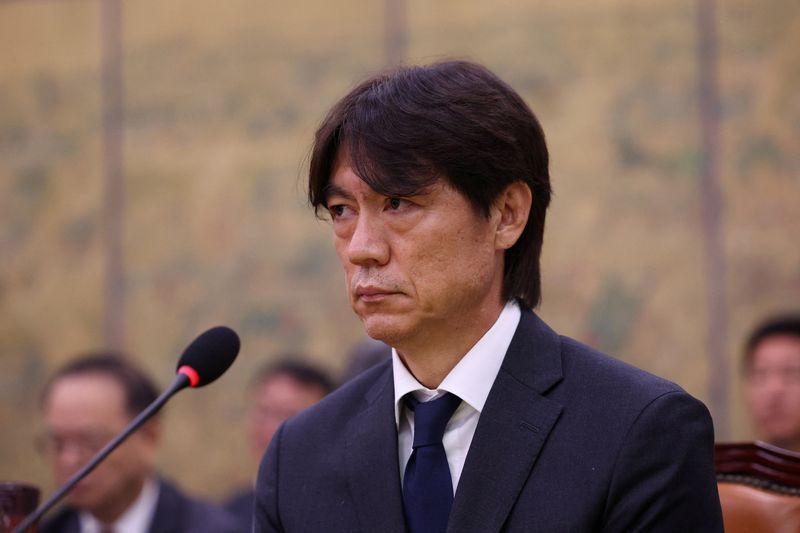
Seoul police executed a raid on the Korea Football Association offices on Thursday, focusing their investigation into what officials characterise as potential obstruction of business connected to the 2024 appointment of Hong Myung-bo as South Korea's national football coach. The operation marks an escalation in scrutiny surrounding the KFA's decision-making process, which has drawn considerable public and governmental scrutiny since Hong's reappointment triggered accusations of preferential treatment and procedural irregularities.
Hong's return to the coaching position represented his second tenure with the national team, having previously served as head coach between 2013 and 2014. His reappointment in 2024 generated immediate controversy, primarily because the KFA terminated an extensive international recruitment process involving multiple foreign candidates and instead selected Hong following what was characterised as a cursory meeting with association officials. This abrupt shift in direction raised questions about the transparency and legitimacy of the selection procedure among both football administrators and lawmakers.
The appointment gained renewed attention following South Korea's underwhelming performance at the most recent World Cup tournament, where the national side exited during the group stage. The disappointing showing intensified calls from political figures and sports observers for a comprehensive examination of how Hong had been chosen for the position. These calls culminated in a parliamentary hearing where legislators directly questioned whether the coach had benefited from irregular advantages in the appointment process.
During his appearance before parliament, Hong categorically refuted suggestions that he had received special consideration, though he did acknowledge South Korea's failure to meet expectations in the World Cup campaign and accepted responsibility for the team's substandard performance on the international stage. His testimony attempted to distinguish between questions of procedural fairness in his appointment and his accountability for on-field results, arguing that while his selection may have been expedited, it did not necessarily constitute wrongdoing.
The South Korean sports ministry completed its own administrative review in October 2024, concluding that the KFA had violated its established appointment protocols in both Hong's case and in the earlier engagement of foreign coach Juergen Klinsmann. Specifically, the ministry found that the interaction between the association's technical director and Hong failed to meet the standards for a substantive interview process. Despite these findings, the ministry stopped short of recommending Hong's contract termination and concluded that its investigation had uncovered no evidence of illegal behaviour on the part of the coach or association leadership.
Police authorities had already commenced their own criminal investigation into complaints alleging improper interference in the appointment process well before the World Cup competition took place. The earlier investigation reflected broader concern within Korean society about whether administrative procedures had been properly followed, suggesting that public confidence in the KFA's governance structures had been substantially compromised by the circumstances surrounding the coaching decision.
The raid itself represents a significant development, as it transforms what had previously been an administrative and parliamentary matter into an active criminal inquiry. This escalation suggests that investigators believe there may be sufficient evidence of potential wrongdoing to warrant the gathering of additional materials and testimony from KFA personnel. The focus on obstruction of business charges, rather than more direct allegations of corruption, indicates that authorities may be pursuing the angle that association officials interfered with normal administrative processes or impeded proper review procedures.
To date, no criminal charges have been filed against Hong or any KFA officials, and investigators have not announced any substantive findings that would support accusations of illegal conduct. This suggests that police are still in the evidence-gathering phase and have not yet reached conclusions about whether the appointment process violated criminal law or merely administrative regulations. The distinction carries significant weight in South Korea, where governance scandals in sports frequently intersect with broader questions about institutional accountability and rule of law.
The incident reflects tensions between rapid administrative decision-making and institutional transparency that extend beyond football into South Korean governance more broadly. The KFA's decision to bypass its established recruitment process, however justified administrators may have believed it to be, created the appearance of impropriety that subsequent explanations have struggled to dispel. For Malaysian and Southeast Asian readers, the case illustrates how decisions by sports governing bodies can spiral into significant political and legal controversies when they deviate from established procedures, even when the underlying selection itself might have been defensible.
The raid also underscores how major international sporting disappointments can trigger comprehensive institutional reviews in countries with robust parliamentary oversight systems. South Korea's group-stage World Cup exit provided political and public momentum for investigating the decisions that produced the coaching setup that oversaw that performance. This linkage between sporting results and administrative legitimacy demonstrates how professional sports in modern democracies have become intertwined with broader governance standards and public expectations of institutional integrity.

