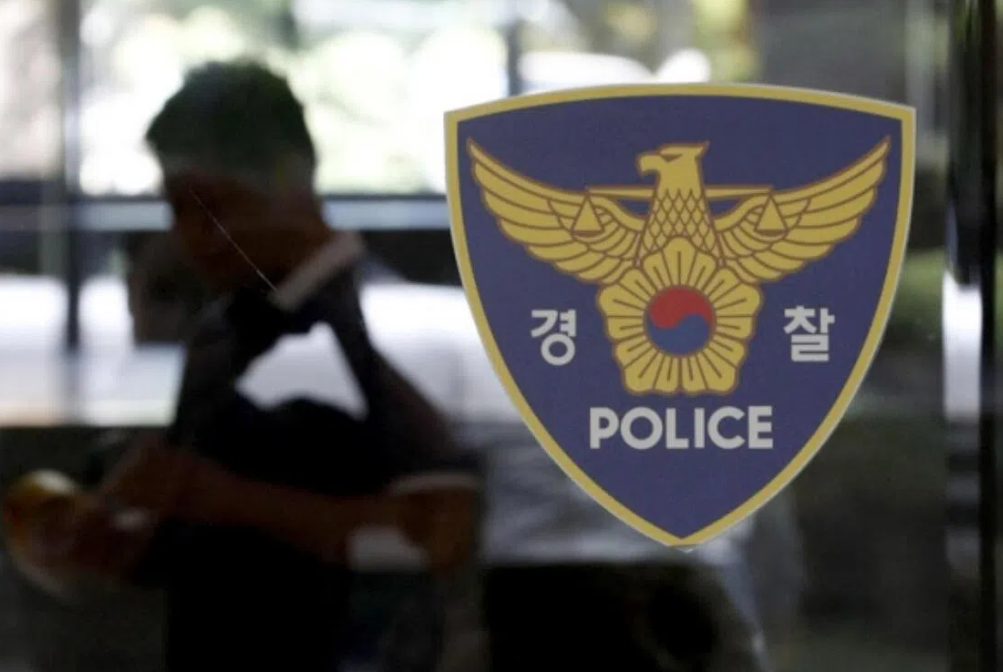
A police officer serving in Incheon faces formal criminal investigation following a tragic accident in which she fatally struck a woman she had been sent to help. The collision occurred in the early hours of Friday, July 3, when the officer responded to an emergency dispatch report of a person in distress. The incident has raised uncomfortable questions about emergency response procedures and visibility hazards on city roads, particularly during night hours when police visibility may be compromised.
The Michuhol Police Station in Incheon confirmed that the officer, who is in her twenties, is being investigated for causing death as a result of a traffic accident. She was operating her patrol vehicle when the fatal incident unfolded at approximately 12.45am near a left-turn section of road. The victim, a woman in her sixties, had reportedly collapsed on the roadway, prompting concerned citizens or passersby to contact emergency services and request police assistance at the scene.
According to preliminary statements provided to investigators, the officer stated she did not observe the victim lying on the road. Police have identified poor lighting conditions as a contributing factor to the accident, noting that the collision occurred at a location with limited visibility near a sharp bend in the street. This explanation, while potentially understandable from an operational standpoint, does not diminish the gravity of the outcome for the deceased woman and her family, nor does it resolve questions about standard protocols for responding to reports of people collapsed on roadways.
Authorities at the Michuhol Police Station indicated they are conducting a thorough examination of available evidence to determine whether criminal charges should be formally filed. Investigators plan to analyse surveillance camera footage from the area surrounding the accident location, which may provide crucial clarification about visibility conditions, the officer's speed, and the precise circumstances leading to the collision. This forensic review of video evidence will likely prove decisive in determining culpability and whether the incident should be classified as negligence or unavoidable accident.
For Malaysian readers, this incident highlights broader issues relevant across Southeast Asia regarding emergency response procedures and public safety. Police departments and emergency services in the region must balance rapid response times with the safety protocols necessary when officers approach scenes where victims may be in vulnerable positions. The case demonstrates how darkness and unfamiliar terrain can create hazardous conditions even for trained personnel responding with best intentions, underscoring the importance of comprehensive training in low-visibility scenarios and defensive driving techniques for emergency responders.
The police sergeant accompanying the officer as a passenger at the time of the accident is not expected to face disciplinary action, according to statements from the Incheon station. Officials reasoned that the passenger bore no responsibility for the collision, as the visibility challenges that prevented the driver from seeing the victim would similarly have affected the passenger's ability to spot the woman on the roadway. This determination reflects standard investigative practice in such cases, though it may offer little comfort to those questioning why additional safety measures were not in place when responding to reports of people incapacitated on roads.
The investigation process in South Korea will likely involve multiple stages before a final determination is reached. Beyond the video analysis, investigators may examine vehicle maintenance records, the officer's driving history and safety record, communications logs from the dispatch centre, and statements from any witnesses present or who called for assistance. This comprehensive approach aims to establish whether the collision resulted from individual error, systemic failure, or genuinely unavoidable circumstance given the operational environment.
The tragedy also raises questions about broader emergency response protocols that extend beyond this single incident. Police departments throughout Asia, including those in Malaysia and neighbouring countries, face similar challenges in responding to calls involving people lying on roads, particularly in urban areas where traffic volume and pedestrian activity are high. Best practice procedures for such situations typically include risk assessment protocols, ensuring scene safety before approaching, and using visual warning systems to alert other traffic.
For the woman's family and community, this incident represents a devastating loss. What should have been a moment of assistance and relief became a catastrophic accident. The emotional and legal ramifications will likely extend well beyond the criminal investigation currently underway, potentially influencing how police departments structure their emergency response training and procedures going forward. Similar incidents in other countries have prompted policy reviews and enhanced safety measures, and observers will watch closely to see whether South Korean authorities implement systematic improvements in response to this tragedy.
The case serves as a sobering reminder that even well-intentioned emergency responses can result in tragedy when visibility, road conditions, and timing converge unfavourably. As authorities continue their investigation and determine whether to proceed with formal charges, the incident will almost certainly prompt broader discussions about how emergency services across the region can better protect both the public and the officers responding to calls for assistance.

