A Gyeonggi province police officer has come under official scrutiny after being discovered with live rounds while preparing to board a domestic flight from Jeju Island, authorities announced on July 3. The incident, which occurred on June 28 at approximately 8.40pm local time, has prompted formal investigation from Jeju Seobu Police Station and raises fresh questions about adherence to South Korea's stringent firearms control protocols.
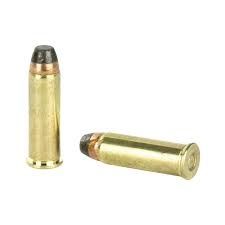
The officer, identified as being in his 30s, was intercepted while attempting to board a plane bound for Gimpo Airport. Security officials discovered that he was carrying two live bullets at the gate—notably without possessing the actual firearm itself. This unusual circumstance has added another layer to the investigation, as authorities attempt to determine why someone would transport ammunition in isolation from a weapon and without proper authorization or awareness of regulations.
Forensic analysis conducted by the National Forensic Service determined that the bullets were manufactured for a .38-calibre pistol, the standard-issue sidearm provided to most frontline officers within South Korea's police force. This specification is significant because it suggests the rounds were directly connected to the officer's professional duties and equipment, rather than ammunition from an unrelated source or civilian context.
The officer's explanation to investigators pointed to a colleague as the source of the ammunition. He claimed that he received the bullets from a former colleague who had recently retired from the force. This detail is currently a focal point of the investigation, as authorities work to verify the claim and understand the circumstances surrounding the transfer of ammunition between officers—a transaction that would ordinarily be subject to strict documentation and chain-of-custody procedures within law enforcement frameworks.
What makes this case particularly noteworthy is the discrepancy in detection across the two airport locations involved. When the officer originally departed from Gimpo Airport on June 26 to travel to Jeju, airport security personnel failed to identify the ammunition in his luggage. It was only upon his attempt to return on June 28 that Jeju Airport officials intercepted the bullets during outbound screening. This oversight at Gimpo has prompted broader questions about the consistency and effectiveness of current airport security measures applied to domestic flights within South Korea.
The officer now faces accusations of violating the Act governing the safety management of guns, swords and explosives—a comprehensive legislative framework that establishes criminal liability for unauthorized possession and transportation of weapons and related materials. The statute reflects South Korea's commitment to maintaining one of the world's most restrictive civilian firearms regimes, with corresponding controls applied to law enforcement personnel as well.
South Korea's approach to firearm regulation among its own police force is notably stringent by international standards. Officers are required to secure their personal weapons at the designated armoury facility located at their respective police stations when off-duty. This centralized storage mandate is designed to prevent unauthorized movement of firearms and ammunition, reduce the risk of theft or loss, and minimize the potential for misuse. The regulation effectively treats police-issued weapons as institutional property rather than personal possessions, fundamentally constraining officer discretion in handling such equipment.
The investigation underscores a persistent challenge facing law enforcement agencies across developed democracies: ensuring that internal compliance with weapons protocols matches the rigorous standards applied to civilian populations. While South Korea maintains robust public confidence in its police force through effective community policing and transparent governance, individual lapses in weapons handling can undermine public trust and invite regulatory scrutiny.
The incident also reflects broader regional security concerns within Northeast Asia. As South Korea continues to navigate its unique geopolitical position on the Korean peninsula, maintaining absolute integrity in weapons management across all state security apparatus—including police forces—remains a strategic priority that extends beyond conventional public safety considerations.
Authorities have not disclosed whether the officer faces suspension from duty pending the conclusion of the investigation. The case is likely to influence future training protocols and monitoring mechanisms within the Gyeonggi province police department and potentially across the national police service, particularly regarding the secure transfer and custody procedures for ammunition and firearms.

