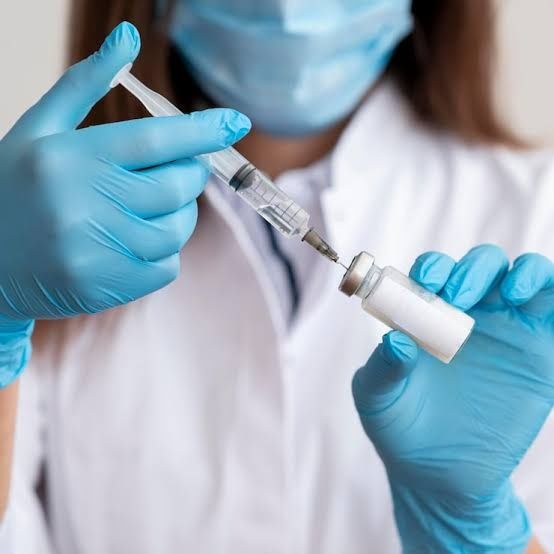
A nurse assistant in her twenties has been taken into custody by Seoul Gangnam Police Station after being discovered self-administering propofol on her first day of employment at a dermatology clinic in Gangnam-gu on July 7. The woman faces charges related to violations of the Narcotics Control Act as authorities move forward with their investigation into her conduct at the medical facility.
According to police statements, the suspect obtained the drug by retrieving a discarded syringe from a waste bin within the clinic premises. Rather than reporting the unsafe disposal practice to supervisors or disposing of it properly, she chose to use the medication on herself, raising serious questions about both workplace safety protocols and personal judgment at the point of employment. The incident unfolded with striking speed, occurring within hours of her starting work at the facility.
Propofol is a potent intravenous sedative widely employed in medical settings to induce anaesthesia before surgical procedures and diagnostic interventions. The drug acts rapidly on the central nervous system and is essential to modern anaesthesia practice when administered under proper supervision. However, when used outside medical protocols or without appropriate monitoring, propofol presents substantial health dangers. Users risk cardiovascular collapse, respiratory depression, and fatal outcomes, making unauthorised self-administration particularly hazardous. The consequences of such use are not merely theoretical; documented cases worldwide demonstrate the drug's capacity to cause sudden and catastrophic health crises.
The South Korean authorities have released the woman without requiring her to remain in physical custody whilst the investigation proceeds. However, investigators are now examining whether this represents an isolated incident or part of a broader pattern of substance misuse. Police are specifically investigating whether she had been using the drug habitually prior to this arrest or if this incident marks the beginning of problematic use. Such determinations will be crucial in understanding her motivation and assessing the severity of her legal culpability.
This case emerges against a troubling backdrop of escalating medical narcotic consumption across South Korea. The nation has witnessed concerning growth in prescription rates and misuse patterns involving controlled substances intended for legitimate clinical purposes. Critics and healthcare observers have become increasingly vocal about systemic vulnerabilities in how medical facilities manage, store, and ultimately dispose of these powerful medications. The propofol discovery in an unmonitored waste container exemplifies precisely the kind of lax handling that enables unauthorised access and abuse.
Recent statistical data from South Korea's Drug Ministry and the Korea Institute of Drug Safety and Risk Management reveals the scope of narcotic usage across the population. In 2025, approximately 20.2 million South Koreans received at least one prescription for a medical narcotic, representing roughly forty percent of the country's total population. These figures underscore how extensively these medications penetrate healthcare delivery and consumption patterns, but they also highlight the substantial quantities of controlled substances circulating through medical supply chains, creating multiple vulnerability points.
The disposal practices evident in this case have prompted renewed calls from medical professionals, public health advocates, and policymakers for comprehensive reform of narcotic management protocols. Many South Korean healthcare facilities currently lack adequate safeguards to prevent the kinds of breaches that enabled this incident. Improvements are needed across multiple fronts, from initial procurement and storage in secure, monitored locations, through careful dispensing procedures during clinical use, to final disposal in incineration facilities or other methods that eliminate the possibility of recovery and misuse.
For Malaysian and broader Southeast Asian healthcare systems, this South Korean case serves as a cautionary illustration of systemic risks that transcend borders and affect nations at similar stages of healthcare development. Medical narcotic misuse remains a growing concern throughout the region, and many facilities across ASEAN countries face comparable challenges in implementing robust oversight mechanisms. The speed with which a nurse assistant could access and self-administer a dangerous substance on her first shift demonstrates how quickly lapses in procedure can translate into acute safety crises.
The regulatory response in South Korea will likely include stricter enforcement of disposal protocols, enhanced training requirements for healthcare workers regarding narcotic handling, and possibly technological solutions such as monitored sharps containers or automated tracking systems. Whether such measures prove sufficient to curtail prescription narcotic misuse will depend significantly on implementation consistency and adequate resource allocation to healthcare facilities nationwide. Singapore and other regional leaders in healthcare governance may provide templates, though solutions must be adapted to local contexts and institutional capacities.
The broader question underlying this incident concerns the relationship between pharmaceutical access, professional oversight, and individual vulnerability. A healthcare worker's decision to self-administer a powerful anaesthetic raises complex questions about workplace stress, occupational hazards, access, and personal agency. Addressing the root causes of narcotic misuse within healthcare settings requires simultaneous attention to facility security, workforce wellbeing, training standards, and genuine consequences for violations, creating a comprehensive framework rather than relying on enforcement alone.
As South Korean authorities complete their investigation into this specific case, the incident will likely catalyse policy discussions about national standards for narcotic management across the healthcare sector. Other countries in the region observing these developments should consider whether their own regulatory frameworks and institutional practices provide adequate protection against similar breaches. The ease with which this employee accessed a dangerous substance despite being on her first day suggests that prevention mechanisms must function even when oversight might be presumed strongest, during initial orientation periods when facilities typically scrutinise new staff most carefully.

