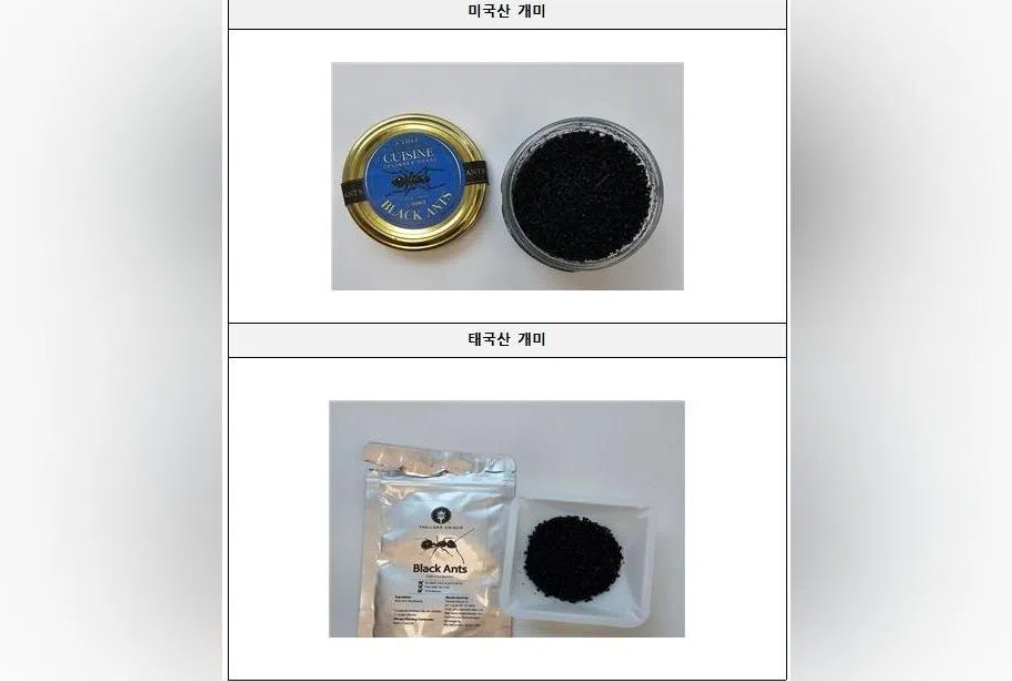
A Michelin-starred restaurant proprietor in Seoul is confronting a potential year-long prison sentence after prosecutors contended that the chef unlawfully used black ants as a garnish on frozen desserts served to diners. The case, which highlights the complexities of fine dining's experimental approach to cuisine and the strict boundaries of food safety regulation, raises questions about culinary innovation versus consumer protection standards in one of Asia's most competitive gastronomic markets.
During a court hearing on Monday, Seoul prosecutors pursued the maximum penalty available under South Korean food safety law, requesting the one-year jail term alongside a fine of 20 million won against the owner of the two-Michelin-starred establishment. The case centres on allegations that the restaurant systematically served ants imported from Thailand and the United States atop sorbets as a palate cleanser, strategically positioning them to contribute a sour element to the dish. What began as a regulatory investigation has evolved into a significant legal matter that underscores how even prestigious dining venues must operate within Korea's detailed statutory framework governing permissible food additives.
South Korea maintains a highly regulated system governing insect consumption, reflecting broader Asian food safety approaches that balance traditional culinary practices with modern food standards. Under current regulations, only ten approved insect species may be legally served to consumers, including grasshoppers and brown mealworm larvae. This carefully curated list represents the government's attempt to permit culturally significant and nutritionally beneficial insects while preventing the use of unvetted species that might pose health risks. The ants employed by this establishment fell outside this approved inventory, constituting a direct violation of these established protocols.
Authorities initiated their investigation during the preceding year after receiving reports regarding the restaurant's unusual garnishing practice. According to documentation released by the food safety ministry, the chef topped individual sorbets with approximately three to five ants with the expressed intention of introducing sourness to the dessert. The operation continued for nearly four years, concluding in January 2025, and records indicate the restaurant achieved approximately 12,000 transactions generating sales totalling 120 million won across this period. This substantial revenue figure suggests the ant-garnished sorbets attracted sufficient clientele to maintain consistent demand, though it remains unclear whether customers recognised the ingredient as distinctly unusual or were attracted by the novelty element.
Photographic evidence submitted by the ministry includes documentation of a container specifically labelled "Cuisine Black Ants" in a cylindrical tin, providing concrete proof of intentional procurement and storage of the insects for culinary use. The deliberate nature of the sourcing, combined with systematic application across multiple dishes, distinguishes this case from potential accidental contamination scenarios. The fact that these insects originated from international suppliers rather than local sources demonstrates the restaurant's conscious decision to incorporate an ingredient known to be outside regulatory boundaries, potentially undermining any claim of inadvertent violation.
The defendant's legal representatives have advanced a mitigation argument suggesting that the ant-garnished confections were presented exclusively to patrons who had provided advance consent to this culinary experimentation. This defence strategy attempts to reframe the violation as a matter of informed customer choice rather than deceptive practice, drawing a distinction between covert health code violations and transparent, consensual participation in unconventional gastronomic experiences. However, prosecutors appear unconvinced that advance notification adequately protects public health when the served substance falls outside government-approved categories, suggesting that regulatory compliance cannot be circumvented through consumer agreement alone.
In his closing courtroom statement, the proprietor expressed remorse regarding the incident, attributing the violation to insufficient comprehension of applicable food safety regulations. This acknowledgment of regulatory misunderstanding raises broader questions about compliance expectations within South Korea's high-end dining sector. While fine dining establishments typically employ sophisticated sourcing and preparation protocols, the case demonstrates that culinary ambition can sometimes outpace regulatory awareness, particularly when chefs pursue experimental flavour profiles that challenge conventional ingredient categories. The defendant's apparent reliance on the notion that consumer novelty justifies regulatory deviation suggests a potential cultural disconnect between culinary innovation and administrative enforcement.
The prosecution's request for both custodial and financial penalties reflects the seriousness with which South Korean authorities treat food safety breaches, particularly within establishments that attract affluent clientele. The 20 million won fine requested by prosecutors represents a meaningful financial consequence that, combined with potential imprisonment, signals that regulatory compliance constitutes a non-negotiable requirement rather than a negotiable business consideration. For Seoul's competitive Michelin-starred dining community, this case establishes clear boundaries regarding permissible experimentation and demonstrates that prestigious status does not exempt establishments from stringent food safety obligations.
The forthcoming ruling, anticipated in early September, will significantly influence how South Korea's culinary sector interprets the intersection between gastronomic creativity and regulatory oversight. A conviction and imprisonment would represent an unprecedented enforcement action against a Michelin-recognised establishment, potentially prompting industry-wide reassessment of ingredient sourcing practices and experimental service methodologies. Conversely, a lenient outcome might inadvertently encourage similar boundary-testing among other high-end venues seeking to distinguish themselves through unconventional approaches. For Malaysian and broader Southeast Asian food safety regulators, this case provides instructive precedent regarding how wealthy, prestigious food establishments may perceive regulatory constraints as negotiable obstacles rather than absolute requirements.
The incident reflects evolving tensions within global fine dining culture regarding the balance between culinary expression and consumer protection frameworks. As molecular gastronomy and experimental cuisine gain prominence across Asia's affluent markets, restaurants increasingly source unconventional ingredients to differentiate their offerings. However, this case demonstrates that government authorities across the region remain committed to maintaining centralised control over ingredient approval processes, resisting the notion that chef expertise or consumer demand should supersede administrative determinations regarding food safety. For Malaysia's growing premium restaurant sector, the South Korean precedent underscores the necessity of rigorous compliance with local food authority regulations, regardless of international culinary trends or clientele preferences.

