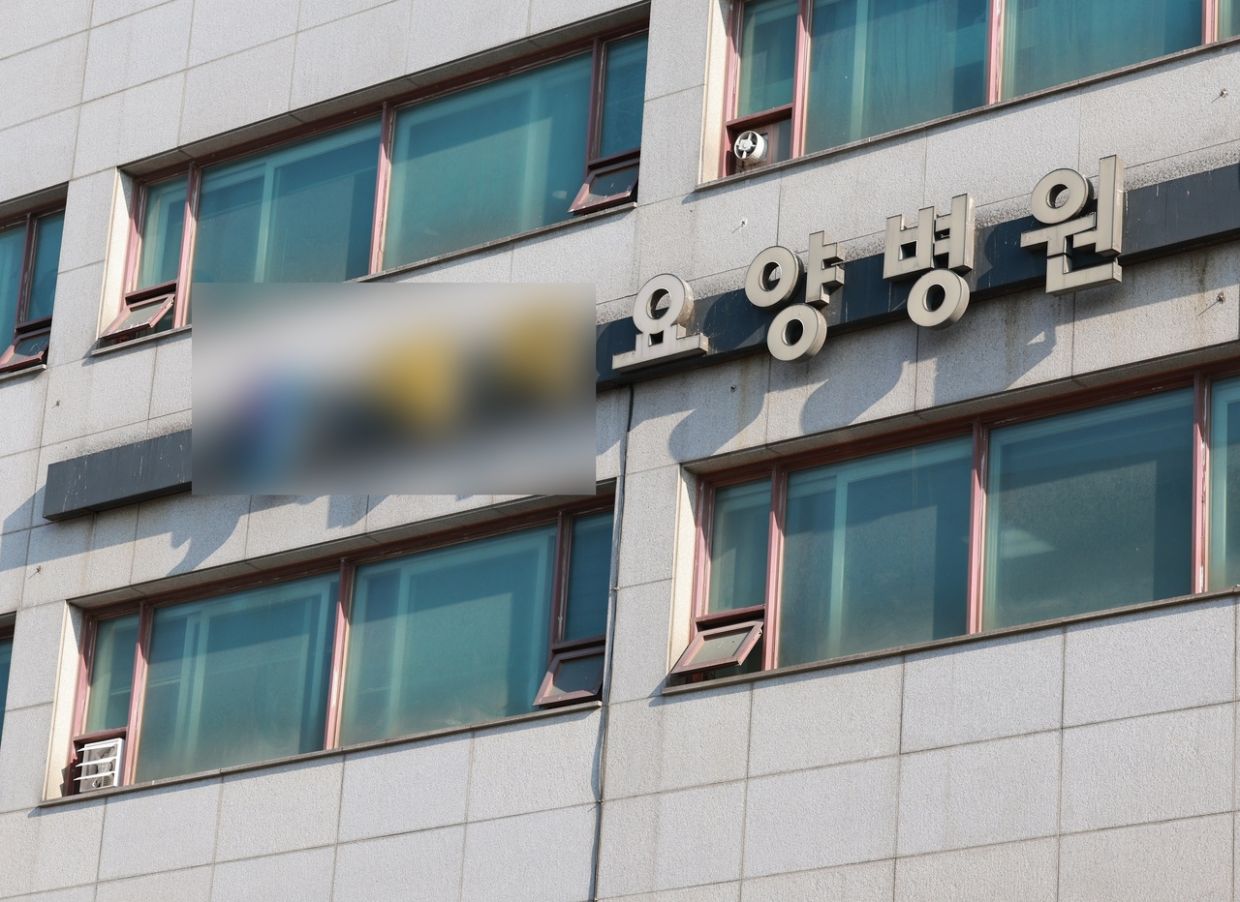
South Korean authorities have concluded their initial inquiry into an unusual case of medical waste mismanagement after confirming that a human leg found at a recycling centre in Incheon was accidentally thrown away by a local healthcare facility. The Incheon Yeonsu Police Station made the announcement on Friday, June 19, marking the culmination of an investigation that began when the limb was discovered at the Southern Regional Resource Recovery Centre on June 10 at approximately 2:28 pm.
The leg belonged to a female patient in her 80s who underwent amputation at a nursing hospital located in Jung-gu, Incheon. According to police findings, the limb was initially classified correctly as medical waste but was subsequently placed with regular refuse by a member of the cleaning staff in their 60s, who mistakenly believed it was a prosthetic mannequin leg. This assumption led to the body part being included among materials sent to the recycling facility, where it was eventually discovered.
The sequence of verification involved multiple forensic steps. When the limb was recovered from the recycling centre, the National Forensic Service conducted an initial analysis that confirmed it belonged to an adult. Following this determination, officials at the Jung-gu hospital came forward two days before police made their public statement, informing authorities that the limb appeared to originate from their facility. A subsequent DNA comparison by the National Forensic Service established a definitive match between the leg and the patient, conclusively establishing the source and ownership of the discovered body part.
While investigators determined that no criminal misconduct or foul play was involved in the discovery, the incident has triggered a comprehensive legal review. South Korea's Wastes Control Act explicitly mandates that medical waste be disposed of separately in specially designated containers provided by government authorities. Police are currently examining whether the hospital adhered to these mandatory protocols when handling the amputated limb, representing a potential administrative violation that could carry legal consequences for the institution.
The investigation has expanded beyond waste management considerations to encompass broader medical practice standards. Authorities are reviewing whether the hospital violated provisions of the Medical Service Act related to the amputation procedure itself. Allegations have emerged suggesting that the nursing hospital may lack the necessary equipment and facilities required to perform surgical amputations, which raises questions about whether the procedure should have been conducted at that location. Police officials, however, have refrained from making definitive statements regarding these allegations, indicating that the inquiry remains ongoing.
The complexity of potential legal violations reflects the multiple regulatory frameworks governing hospital operations in South Korea. A police official explained the cautious approach being taken, stating that no specific criminal punishment clause has yet been identified under the Medical Service Act that would clearly apply to this situation. Given this ambiguity, investigators are consulting with the Korean Medical Association, the Ministry of Health and Welfare, and legal experts to determine the appropriate course of action and whether any prosecutable offences occurred.
For Malaysian and Southeast Asian observers, this case highlights the critical importance of robust waste management protocols within healthcare facilities. Hospitals across the region handle sensitive biological materials daily, and the confusion demonstrated by the Incheon incident—where trained staff mistook a human limb for a mannequin part—underscores how organisational failures can occur despite existing regulations. The incident serves as a cautionary reminder that procedures must be reinforced through regular staff training and clear segregation of medical waste at the point of origin.
The patient's family circumstances add a poignant dimension to the case. Family members revealed that they sought admission to the nursing hospital after other medical institutions refused to accept the elderly woman due to her deteriorating health condition. This detail suggests that the facility may have served a critical function as a last-resort option for patients with complex or terminal conditions, potentially straining resources and attention to protocol compliance.
The Incheon case also raises systemic questions about accountability in healthcare waste management across South Korea and potentially in neighbouring jurisdictions. The National Forensic Service's involvement demonstrates that authorities treat such incidents seriously despite their apparent accidental nature. By conducting thorough DNA analysis and coordinating with hospital authorities, the investigation reflects a commitment to establishing facts and determining responsibility, even when negligence rather than malice appears to be the underlying cause.
Moving forward, South Korean health authorities will likely use this incident as a catalyst for reinforcing waste management training across nursing homes and smaller healthcare facilities. The case demonstrates that accidents involving human remains can occur in supposedly controlled environments, necessitating enhanced vigilance. For regional health administrators monitoring best practices, the investigation's methodology provides a useful template for handling sensitive incidents while maintaining procedural integrity and public confidence.
The outcome remains pending as authorities await final consultation results from relevant bodies before determining whether administrative sanctions or criminal charges will be pursued against the hospital. Regardless of the legal determination, the incident has already highlighted a vulnerability in South Korea's healthcare waste management system that extends implications beyond a single institution, serving as a reminder of the need for systematic improvements to protect both patients and public health across the region.

