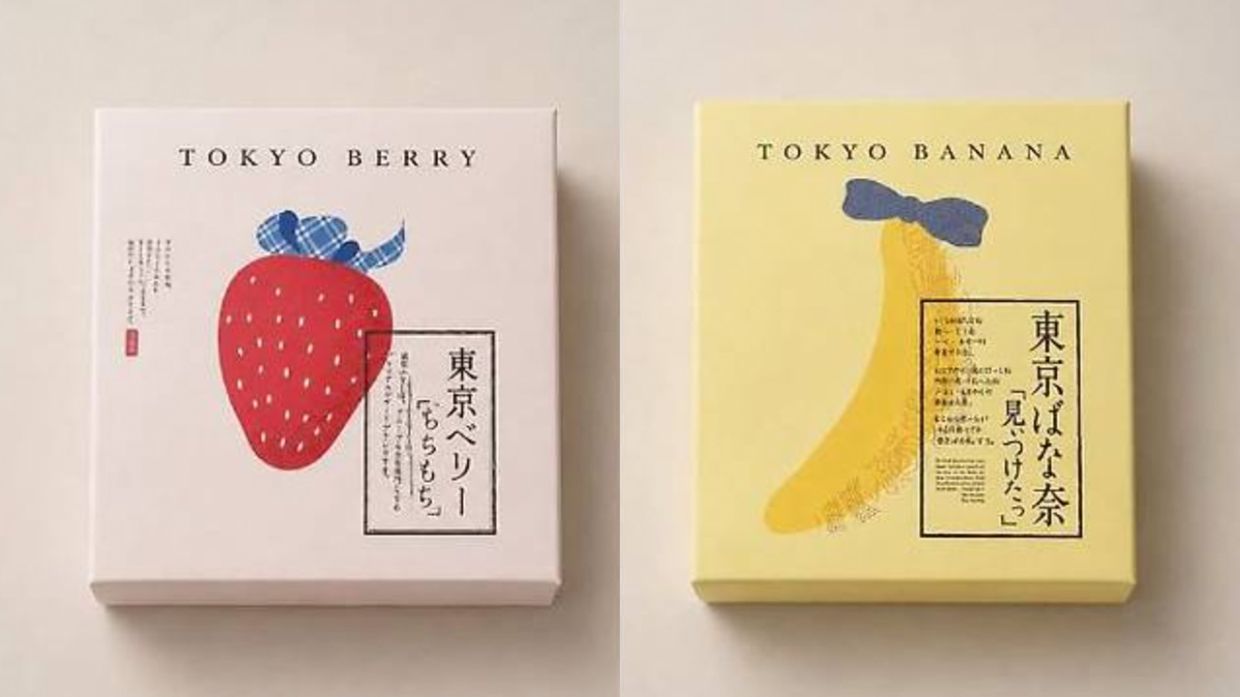
A newly launched South Korean dessert brand has become embroiled in a trademark and branding dispute after consumers alleged that its product design and marketing strategy closely mirror those of Tokyo Banana, the iconic Japanese confectionery product manufactured by Grapestone. The controversy highlights growing tensions surrounding intellectual property protection and brand imitation in East Asia's highly competitive food and beverage sector, where visual branding and packaging design play critical roles in consumer recognition and purchasing decisions.
Tokyo Berry entered the South Korean market with considerable initial momentum, operating temporary retail outlets across major department store chains including Lotte and Shinsegae. The brand successfully generated significant customer interest, with some locations drawing lengthy queues of shoppers eager to sample its offerings. However, this commercial momentum came to an abrupt halt once consumers began sharing detailed side-by-side photographic comparisons across social media platforms, revealing striking visual similarities between Tokyo Berry's packaging design and that of Tokyo Banana, which is a distinctive banana-shaped sponge cake that has become synonymous with Japanese gift-giving culture.
The allegations extended beyond mere product appearance to encompass the brand's overall marketing narrative and positioning strategy. Tokyo Berry actively promoted itself using language that emphasized its connection to Tokyo and seasonal Japanese flavours, with promotional materials describing the brand as "capturing the flavours of seasonal fruits and the essence of Tokyo." This messaging strategy, critics argued, deliberately cultivated consumer perception that Tokyo Berry was either a Japanese brand or an officially affiliated extension of an existing Japanese confectionery enterprise, thereby creating a false impression of authenticity and heritage that the brand did not legitimately possess.
The incident has triggered broader concerns within South Korea regarding intellectual property ethics and the responsibilities of domestic brands operating in crowded international markets. Rather than viewing the situation as merely a commercial dispute, some Korean online communities reacted with considerable embarrassment, characterizing the controversy as reflecting poorly on South Korea's reputation for innovation and original brand development. This sentiment underscores how brand disputes in Asia are frequently interpreted through nationalist and cultural lenses, transforming what might otherwise remain a straightforward trademark matter into a question of national credibility and integrity.
Compounding the controversy, Tokyo Berry has also faced separate accusations regarding its inner packaging design. Multiple consumers drew attention to alleged similarities between Tokyo Berry's wrapping materials and those employed by Hanjungsun, an established premium Korean dessert manufacturer that distinguishes its chapssaltteok—a traditional rice cake filled with sweet ingredients—through distinctive packaging utilizing hanji, or traditional Korean mulberry paper. These allegations suggest that Tokyo Berry may have engaged in dual imitation, simultaneously drawing inspiration from both Japanese and Korean competitors while failing to develop genuinely distinctive brand identity elements.
The Japanese manufacturer Grapestone acknowledged receiving notification of the dispute and indicated that its company had initiated a formal review process through appropriate departments. While the company's response has been measured and procedurally appropriate, the incident underscores how cross-border brand disputes in Asia increasingly involve not only direct corporate communication but also substantial social media mobilization and public opinion dynamics that companies cannot entirely control or predict. The relatively restrained corporate response from Grapestone contrasts sharply with the intensity of consumer and social media reaction in South Korea.
Retail sector response to the controversy has been swift and unambiguous. A representative of one major South Korean department store chain confirmed to media outlets that all scheduled future pop-up store locations for Tokyo Berry had been cancelled. This decisive action by the retail sector reflects the commercial risk that brands perceived as engaging in intellectual property violations or deliberately misleading marketing tactics face in contemporary retail environments, where consumer trust and brand reputation are increasingly fragile assets. Department stores, conscious of their own reputational stakes, moved rapidly to distance themselves from the product line.
Tokyo Berry's response to mounting criticism has involved withdrawing from public visibility rather than engaging substantively with concerns raised by consumers. The brand removed or restricted access to promotional content posted on its Instagram account and disabled comment functionality on remaining posts, effectively silencing consumer dialogue about the controversy. This defensive posture, while perhaps understandable as a crisis management tactic, has arguably amplified perceptions of guilt and evasiveness rather than mitigating reputational damage.
The incident carries implications that extend well beyond this particular brand dispute. It illuminates how market globalization and digital communication have transformed consumer vigilance regarding brand authenticity and intellectual property protection. What might have previously remained a localized concern accessible only to consumers in both Japan and South Korea now becomes immediately visible and comparable through social media platforms, enabling rapid mobilization of public opinion across geographic boundaries. For multinational food and beverage companies operating throughout Asia, the case of Tokyo Berry serves as a cautionary example regarding the reputational and commercial consequences of branding strategies that consumers perceive as derivative or misleading, regardless of whether clear legal violations have occurred.

