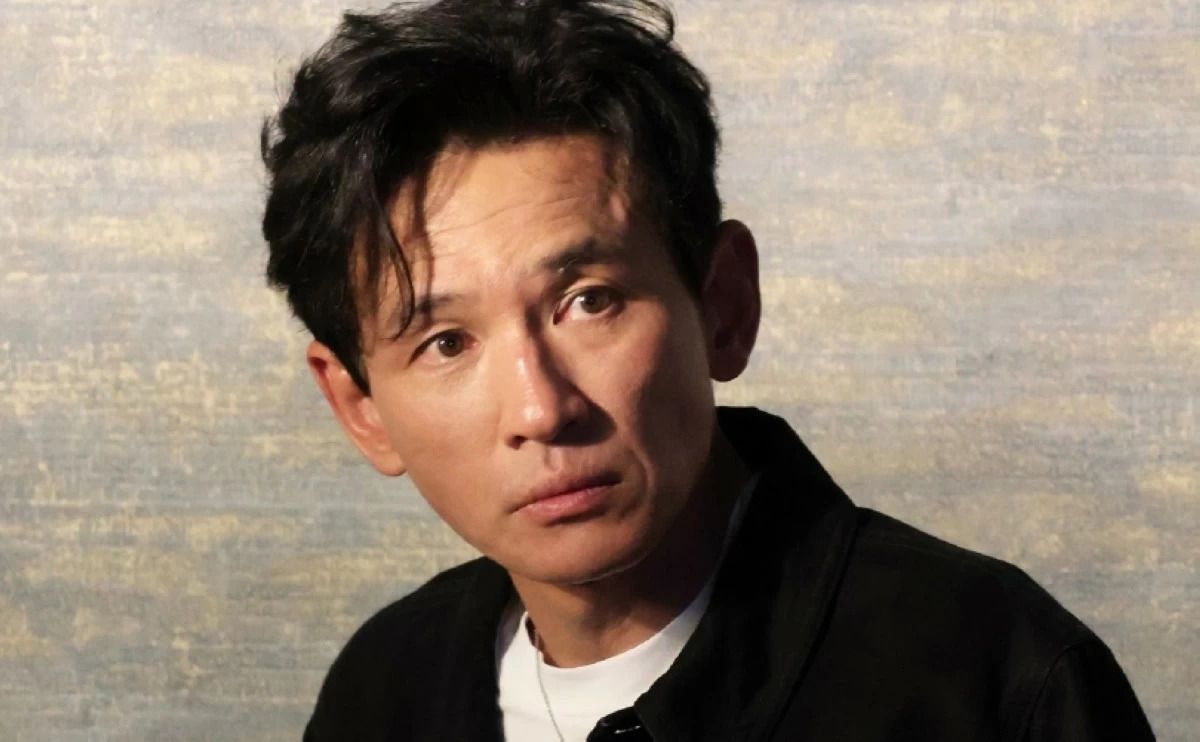
Hwang Jung-min's management company moved swiftly to discredit allegations of infidelity on July 29, asserting that the woman levelling charges against the 55-year-old actor is a criminal suspect in an ongoing stalking investigation. The agency signalled its intention to escalate legal proceedings against her, marking an aggressive response to claims that have surfaced on social media platforms across the region.
The woman in question had previously shared what she described as intimate communications with Hwang, including text exchanges, photographs, and an audio recording, which she presented as evidence of a romantic relationship between them. Her posts circulated widely on social media, drawing attention to the allegations and prompting responses from entertainment industry observers and fans across East Asia.
According to the statement released by Hwang's representatives, the woman responsible for the posts is "a stalking suspect who has continuously harassed" the actor, a characterisation that frames the matter as one of persistent unwanted attention rather than a credible accusation of misconduct. The agency indicated that Hwang filed a formal criminal complaint against her in 2025, initiating a legal process that has already produced tangible consequences for the accuser.
The South Korean court system has intervened in the dispute by imposing restraining orders against the woman on three separate occasions, according to the statement. Additionally, the court issued a summary order fining her three million won, equivalent to approximately RM8,525, a monetary penalty intended to deter further contact or harassment. These judicial actions suggest that authorities have already assessed the situation and determined the necessity of protecting the actor from her conduct.
However, the accuser has not accepted the court's findings without challenge. She has formally contested the fine imposed against her and requested a full trial hearing, seeking to overturn the summary judgment. Local media sources indicate that she has simultaneously filed a civil lawsuit against Hwang, pursuing monetary damages, suggesting she intends to pursue her claims through multiple legal avenues simultaneously.
The management agency characterised the social media posts as "maliciously edited" content designed to misrepresent facts and damage Hwang's reputation. While the company issued an apology for the distress and concern the situation has generated, it notably avoided making a definitive statement about whether the audio recording itself is genuine or fabricated. This strategic ambiguity may reflect legal advice to minimise admissions that could complicate ongoing proceedings.
Hwang has maintained a stable personal life, having been married to Kim Mi-hye since 2004. Mi-hye is a notable figure in South Korea's cultural sector, working as a musical and theatre producer and serving as the head of SEM Company, the very management agency defending Hwang's interests in this dispute. This professional relationship adds another dimension to the agency's vigorous defence of its client and spouse.
The actor's prominence in South Korean entertainment makes this dispute particularly newsworthy across the region. Hwang ranks among Asia's most commercially successful performers, having anchored numerous box office successes that have resonated with audiences throughout East and Southeast Asia. His film projects regularly attract international financing and distribution, extending his cultural influence well beyond South Korea's borders.
Hwang's current commitments reflect his continued demand as a leading performer. He is currently engaged in filming Na Hong-jin's action thriller "Hope," which features an international ensemble cast including fellow Korean actors Zo In-sung and Jung Ho-yeon alongside Hollywood stars Michael Fassbender and Alicia Vikander. The production's cross-cultural appeal and substantial budget underscores Hwang's value within the global entertainment marketplace.
The film is scheduled for theatrical release in Singapore on September 10, with distribution likely extending across Southeast Asian markets where Korean cinema has established a robust and devoted audience base. The timing of the release becomes relevant given the recent allegations, as the controversy could potentially influence box office performance and audience reception in the region.
For Malaysian readers and Southeast Asian entertainment observers, this controversy illustrates the intersection of celebrity culture, social media accountability, and legal systems grappling with digital-age challenges. The case demonstrates how allegations can circulate rapidly through social platforms before judicial processes have had opportunity to assess their validity, raising questions about the balance between public interest and individual protection from unsubstantiated claims.
The dispute also highlights the protective mechanisms that Korean law and courts have established for addressing stalking and harassment, institutional responses that reflect broader regional concerns about digital privacy and personal safety. As Hwang's case proceeds through the courts while his career continues to advance internationally, it remains a focal point for discussions about reputation, due process, and the power of social media narratives in shaping public perception of public figures.

