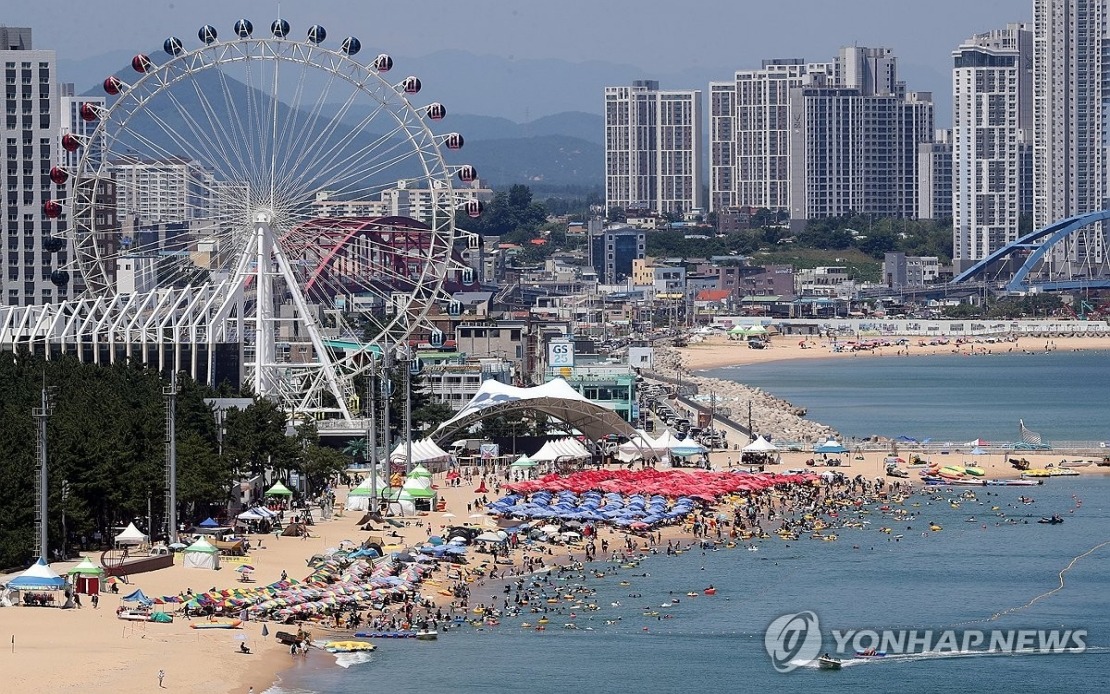
South Korea is gripped by an unprecedented heat emergency after the southeastern city of Yangsan recorded a scorching 42.5°C on Sunday, shattering all temperature records dating back to the start of systematic weather observations on the Korean Peninsula more than a century ago. The mercury climbed steadily throughout the afternoon, initially hitting 42°C at 1:16 p.m. before climbing further to the record-breaking level just ten minutes later at 1:26 p.m., according to data from the Korea Meteorological Administration (KMA). This remarkable reading marks a decisive departure from previous extremes, fundamentally resetting expectations about what the Korean climate can produce during summer months.
The geographical concentration of this extraordinary heat in Yangsan, located approximately 310 kilometres southeast of Seoul, illustrates how unevenly extreme weather events can strike across a single nation. The KMA, which maintains records from 97 long-term observation stations across the peninsula, has confirmed that no temperature of this magnitude has been documented in the instrumental record spanning from 1904 to the present day. The escalating pattern within Yangsan itself reveals a particularly alarming trend: temperatures have now exceeded 40°C for five consecutive days, with the threshold being breached progressively earlier each day as heat energy accumulates within the urban and surrounding areas.
The concerning trajectory suggests that temperatures could potentially push even higher in coming days. Meteorologists are monitoring the pace at which the 40°C barrier is being crossed, as earlier daily peaks indicate the thermal environment is intensifying rather than moderating. The situation extends beyond Yangsan's boundaries, as nearby Gyeongju, situated roughly 240 kilometres southeast of Seoul, has also entered the dangerous zone of above-40°C readings for the first time this year, recording 40.2°C by 1:55 p.m. on the same day. This reading in Gyeongju marks the highest temperature in that city for eight years, eclipsing the previous benchmark of 39.8°C established in 2018.
The heat wave's intensity has prompted unprecedented government mobilization. Prime Minister Han Seong-sook has issued emergency directives compelling all government ministries and provincial administrations to implement heightened safety protocols specifically targeting vulnerable populations most susceptible to heat-related illness and mortality. These groups typically include elderly residents, young children, outdoor workers, and individuals with pre-existing health conditions. The administration has simultaneously prioritized the maintenance of critical infrastructure, particularly ensuring uninterrupted electricity supplies for air conditioning systems and stable water distribution networks, recognizing that breakdowns in these essential services during extreme heat can rapidly escalate into public health crises.
In response to the escalating danger, the government activated a Level 2 emergency operation of the disaster response headquarters as of 1 p.m. on Sunday, representing a significant escalation in the official threat assessment. This designation signals that ordinary administrative procedures are being superseded by emergency protocols designed to mobilize resources and coordinate responses across all sectors of government and society. Public health authorities have issued explicit advisories urging citizens to minimize outdoor exposure during peak heat hours and to implement comprehensive safety measures including frequent hydration, appropriate clothing, and regular rest breaks in cooled environments.
For Malaysian and Southeast Asian readers, this situation offers a sobering window into the escalating climate extremes that modern industrialized nations in the region face. South Korea, as a developed nation with advanced infrastructure and substantial economic resources, nevertheless finds itself scrambling to manage temperatures that increasingly exceed what its systems were designed to handle. The Korean experience demonstrates that wealth and technological sophistication alone cannot fully insulate societies from the consequences of extreme weather, particularly when historic heat records are shattered by margins that previous generations never contemplated. The concentration of record-breaking temperatures in a single region also highlights how climate change is creating more pronounced regional disparities in weather extremes, a pattern replicated across Asia.
The broader implications for the region extend to emergency preparedness and climate adaptation strategies. As South Korea documents and responds to its most extreme heat event in recorded history, neighbouring nations and the broader international community are receiving updated data about the ceiling of plausibility for future temperatures. Climate models that once projected temperature increases of 1.5°C or 2°C above pre-industrial baselines now function in a context where observed events are straining previous assumptions. The government's decision to activate high-level emergency protocols suggests that even well-resourced nations are discovering that managing extreme heat at these intensities stretches administrative and infrastructural capacity.
The temporal sequence of events also warrants attention from a climate science perspective. The progressively earlier time each day at which the 40°C threshold is crossed indicates that the urban heat environment is not simply oscillating around a stable mean but instead is showing systematic strengthening. This pattern, if it continues, could portend temperatures climbing beyond the initial 42.5°C record if atmospheric and surface conditions continue accumulating heat over the coming days. The phenomenon reflects how heat waves operate as multi-day events where meteorological momentum builds, temperatures interact with urban infrastructure to create cascading amplification effects, and previous heat becomes embedded in soils and structures, priming the system for even more extreme readings on subsequent days.
For regional observers, the South Korean heat emergency underscores the urgency of climate adaptation investment. The government's mobilization of emergency response systems, public advisories, and infrastructure protection measures represents the minimum threshold of action required when societies confront historical extremes. As Southeast Asian nations continue developing their own climate resilience strategies, the Korean precedent suggests that adaptation frameworks must encompass not merely incremental improvements to existing systems but rather fundamental restructuring of how cities, infrastructure networks, and public health systems operate under conditions that were previously considered theoretical possibilities rather than practical realities. The 42.5°C reading in Yangsan has transformed from a statistical abstraction into a documented reality requiring immediate, coordinated governmental response.

