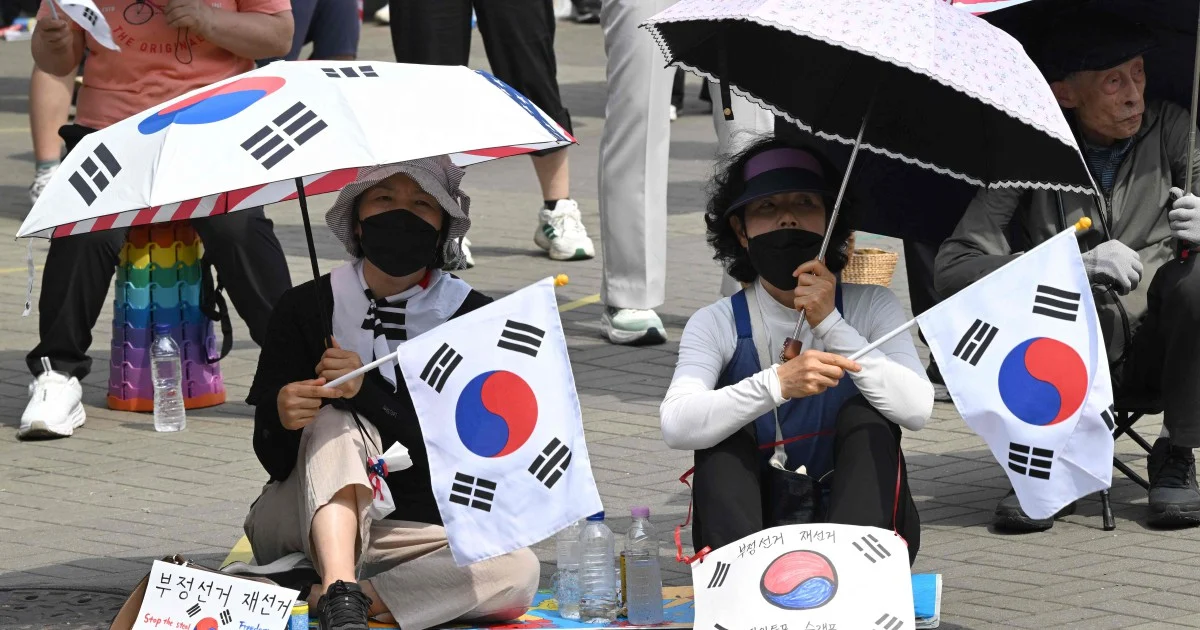
South Korea's National Assembly has formally launched a parliamentary inquiry into the National Election Commission, approving the investigation at a plenary session on Thursday. The 45-day probe stems from serious operational failures during the June 3 local elections, when insufficient ballot papers created widespread disruption at polling stations across the country. The decision reflects growing concern among lawmakers that the election management body failed to adequately prepare for the voting process, raising questions about the integrity of the electoral machinery in one of Asia's most robust democracies.
The ballot shortage represents more than a logistical inconvenience. Local elections serve as a critical barometer of public sentiment in South Korea, providing voters with an opportunity to directly influence governance at provincial and municipal levels. When voting procedures break down—whether through insufficient materials, extended queues, or administrative confusion—public confidence in the electoral system itself sustains damage. The June 3 shortages consequently warrant serious scrutiny, particularly given South Korea's historical commitment to transparent and efficient democratic processes.
Parliamentary investigations into government institutions carry significant weight in South Korean politics. Unlike informal inquiries or media investigations, such probes grant lawmakers access to official records, the authority to compel testimony from election officials, and the ability to recommend formal sanctions or organisational reforms. The 45-day timeframe suggests the National Assembly expects to uncover systemic problems rather than isolated administrative oversights. This extended investigation period typically indicates lawmakers believe the issues extend beyond simple supply-chain management failures to encompass planning deficiencies or procedural weaknesses.
The National Election Commission's failure to anticipate and prepare for ballot requirements merits examination at multiple levels. Electoral bodies must accurately forecast voter turnout, account for spoiled ballots that require replacement during voting, and ensure sufficient reserve supplies to handle unexpected demand. South Korea's election infrastructure typically functions with precision, reflecting decades of experience administering nationwide votes. The June 3 shortages therefore represent a notable departure from the country's usual electoral standards, suggesting either unexpected circumstances or insufficient contingency planning by election administrators.
For Malaysian observers, the South Korean parliamentary response offers instructive perspective on institutional accountability. Both nations maintain sophisticated election management frameworks, yet both occasionally encounter operational challenges that test democratic institutions. Malaysia's own election management falls under the purview of the Elections Commission, a body that similarly bears responsibility for ensuring voting proceeds smoothly. The South Korean approach—subjecting election officials to formal parliamentary scrutiny when failures occur—demonstrates how elected representatives can balance respect for electoral administration independence with legitimate public oversight.
The investigation's scope will likely extend beyond identifying how shortages occurred to examining whether the National Election Commission possessed adequate resource allocation, staffing levels, and advance preparation protocols. Lawmakers may also investigate whether election officials provided timely warnings to the government about potential supply issues before voting day, or whether such warnings were raised but inadequately addressed. These institutional and procedural questions matter because they determine whether the failures reflected temporary mishaps or reflected chronic under-resourcing of the electoral system.
South Korea has maintained democratic governance since transitioning from authoritarian rule in the 1980s, making electoral integrity a cornerstone of national identity. The country's election administration operates under relatively strong institutional independence, insulating it from direct political interference. However, this independence also creates an expectation that election officials will exercise rigorous self-governance. When procedural failures occur despite this autonomy, parliamentary investigation becomes essential both for accountability and for signalling that democratic institutions take electoral matters seriously.
The timing of the investigation also merits consideration. June 3 local elections would have taken place several weeks prior to the parliamentary decision to investigate, allowing lawmakers time to assess public reaction, review media coverage, and consult with affected voters and polling station operators. This delay reflects standard parliamentary procedure but also suggests the investigation was not hastily convened in response to initial reports. Rather, it appears lawmakers allowed public discussion of the issues to develop before formally commencing their institutional scrutiny.
The investigation's findings could trigger substantial changes to election administration procedures. Potential reforms might include revised ballot forecasting methodologies, enhanced supply-chain management systems, increased reserve ballot stocks, improved communication protocols between election officials and polling stations, or revised staffing arrangements. The National Election Commission may face institutional restructuring or leadership changes if the investigation concludes that systemic failures reflected management incompetence rather than external factors beyond organisational control.
From a regional perspective, South Korea's parliamentary investigation demonstrates how functioning democracies address electoral system failures through institutional channels rather than public acrimony or political exploitation. The formal, bounded nature of the inquiry—set at 45 days rather than open-ended—balances the need for thorough investigation with the need for timely resolution. This approach contrasts with scenarios where electoral failures become vehicles for broader political confrontation, potentially damaging public trust in democratic institutions themselves.
The investigation will produce formal findings and recommendations that obligate the National Election Commission to respond. Whether such responses lead to binding procedural changes, legislative amendments, or budgetary adjustments remains uncertain pending the inquiry's conclusions. Nonetheless, the parliamentary action signals that South Korean legislators view election administration as an area where institutional performance standards matter and accountability mechanisms exist.

