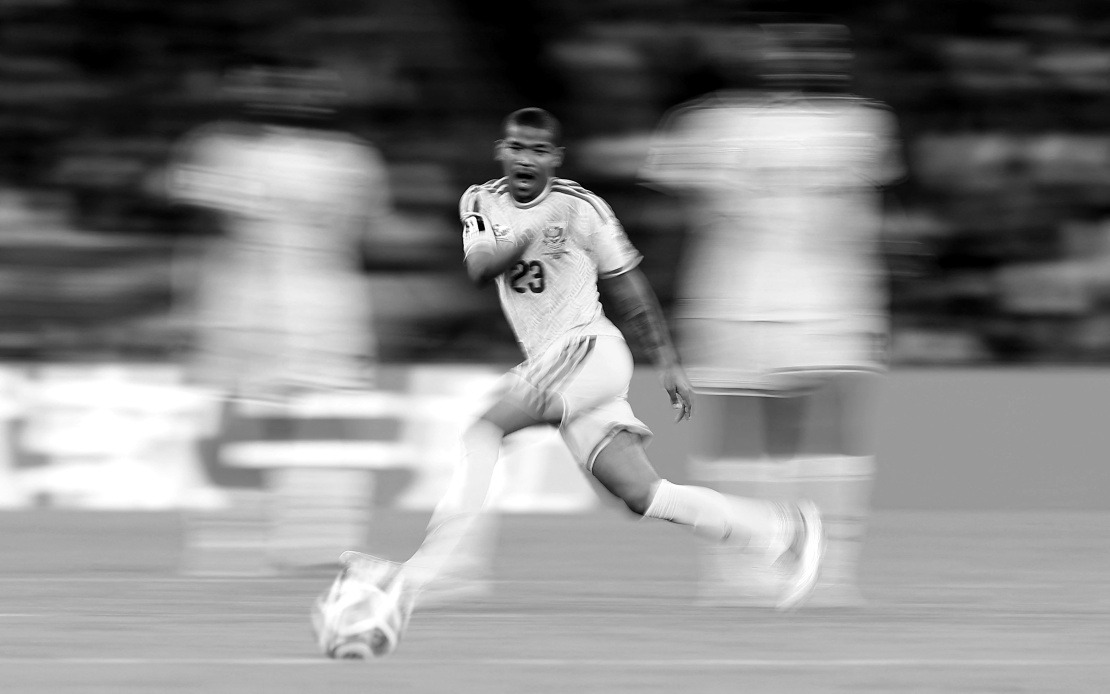
South African football mourned the loss of one of its emerging talents on Saturday following the death of midfielder Jayden Adams, aged 25. The Confederation of African Football confirmed his passing, marking a significant blow to a squad that had just achieved a historic milestone at the FIFA World Cup. Adams had become a focal point of his nation's midfield during their remarkable campaign at the tournament, which was still underway at the time of his death.
The midfielder's journey through the World Cup earlier this month showcased his importance to South Africa's setup. He appeared in all three of the Bafana Bafana's group-stage encounters, contributing to a team that would go on to achieve what no South African side had done before by advancing past the initial round. His presence on the pitch reflected the growing depth of talent within South African football, and his performances had attracted attention from observers monitoring the continent's football development. The squad's progression to the knockout stage under his participation represented a watershed moment for the nation's footballing ambitions.
The broader significance of South Africa's World Cup run cannot be separated from the contribution of players like Adams. The team's advancement and subsequent elimination by co-host Canada in the round of 32 on June 28 demonstrated that the nation possessed the quality to compete at global tournaments. For a country that had previously failed to progress beyond the group stage in World Cup competition, this breakthrough represented vindication of investment in player development and tactical sophistication. Adams' role as a regular starter throughout the competition underscored his readiness for the international stage and the confidence his coaches placed in his abilities.
At club level, Adams had recently joined Mamelodi Sundowns in January, one of South Africa's most successful franchises. The move represented a significant career step for the midfielder, as Sundowns compete regularly in continental club competition and maintain domestic dominance. During his time with the club, he contributed to successes that included domestic league honours and participation in the African Champions League, competitions that tested his abilities against continental opposition. This elevated platform had been providing him with experience at the highest levels of club football on the African continent.
His earlier career path began at Stellenbosch FC, where he developed the foundational skills that eventually attracted the attention of national team selectors. Adams made his senior international debut in 2022, establishing himself within the national squad framework relatively quickly. His progression from domestic player to World Cup representative had occurred within a compressed timeframe, reflecting both his individual talent and the opportunities South African football had created for emerging midfielders. The 2023 Africa Cup of Nations, where he was part of the squad that reached the semifinals, provided crucial international experience that prepared him for the subsequent World Cup campaign.
Local authorities in Cape Town opened an investigation after discovering the body of a 25-year-old male at a residence in Schotschekloof on Saturday morning. The circumstances surrounding his death remained unclear, with South African police working to establish the cause. The lack of confirmed details prompted careful communication from official quarters, as relevant institutions and the footballer's family waited for conclusive findings from investigators. The uncertainty created an extended period of shock and speculation within South African sporting circles.
Gayton McKenzie, South Africa's Minister of Sports, Arts and Culture, issued a statement emphasizing the importance of allowing investigative processes to proceed without premature conclusions. McKenzie described Adams as representing the vanguard of South African football's young generation, acknowledging the exceptional promise he had demonstrated across multiple levels of the game. The ministerial response balanced public recognition of the loss with an appeal for restraint, as Adams' family navigated both their personal grief and the intense public interest generated by his World Cup participation. The statement reflected official concern about respecting family privacy during an extraordinarily difficult period.
The football community extended condolences across international boundaries. FIFA President Gianni Infantino released a statement characterizing Adams as a figure who would be profoundly missed by the global football establishment. Such expressions from the sport's highest administrative levels highlighted the universal impact of his participation at world football's premier tournament. For Malaysian readers familiar with the regional significance of World Cup representation, Adams' involvement in advancing his nation's football profile underscored the importance placed on young players who break through to compete against established footballing powers.
Adams' death represents a tragedy that extends beyond sporting contexts, affecting his family, teammates, and the broader community that had invested hopes in his continued development. The timing of the loss, coinciding with the euphoria of South Africa's World Cup advancement, created a complex emotional landscape within the nation's football environment. Clubs, players, and supporters who had witnessed his performances faced the immediate task of processing both the historic achievement of their team and the devastating loss of one of its central figures. The contrast between collective triumph and individual tragedy underscored the unpredictability that defines both competitive sport and human existence itself.

