South Africa has escalated its legal action at the International Court of Justice, filing formal documentation that accuses Israel of systematically disregarding binding provisional measures handed down by the court in the genocide case brought by Pretoria in December 2023. The submission, made under Article 11 of the ICJ's procedural regulations, represents a significant deepening of the dispute between the two nations and underscores the growing international legal complexity surrounding the conflict in Gaza.
According to South Africa's Department of International Relations and Cooperation, the filing emphasises that provisional measures issued by the ICJ carry full legal force and create binding obligations for all parties. The department's statement makes explicit that Israel has fundamentally failed to meet these obligations, setting the stage for what could become a critical moment in determining how the court will respond to alleged non-compliance by a state. This procedural move allows the court to examine whether enforcement mechanisms should be activated.
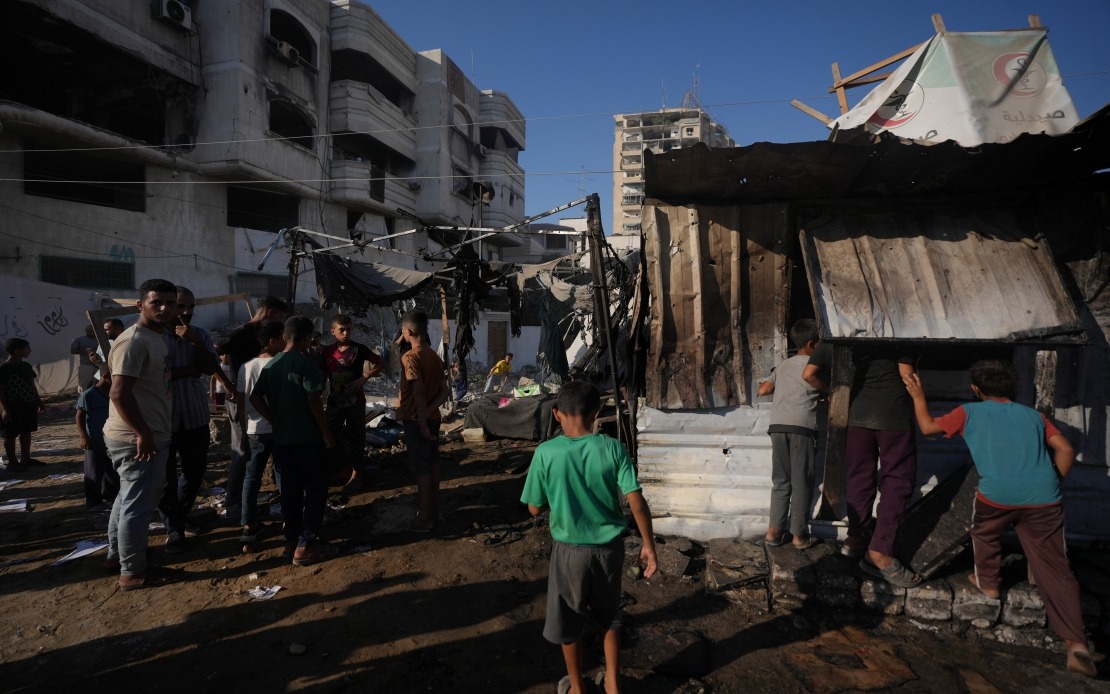
The substance of South Africa's complaint centres on the human toll in Gaza and what it characterises as Israel's continued violations since a ceasefire formally took effect on October 10, 2025. According to the filing, more than 1,300 Palestinians have been killed in the months following the ceasefire agreement, with over 4,330 others sustaining injuries. Additionally, rescue operations have recovered hundreds of bodies from beneath collapsed buildings, pointing to ongoing military operations and structural destruction that South Africa argues violates the provisional measures.
Palestinian survivors currently in Gaza face compounding trauma as they remain confined to progressively smaller territories with deteriorating humanitarian conditions, according to the documentation presented to the court. The filing stresses that these individuals are denied adequate access to food, water, medical care, and shelter—circumstances that South Africa argues constitute ongoing violations of the Genocide Convention's protective provisions. The shrinking territorial space available to the Palestinian population, the filing suggests, creates conditions of increasing desperation.
South Africa's case against Israel originated from the accusation that Israel violated the 1948 United Nations Convention on the Prevention and Punishment of the Crime of Genocide through its military operations in Gaza. The case was formally registered at the ICJ on December 29, 2023, mere weeks after the escalation of conflict following the October 7, 2023 attacks. Since then, the court has issued three separate provisional measures orders—in January, March, and May 2024—each directing Israel to implement all necessary steps to prevent acts prohibited under the Genocide Convention.
These provisional measures represent the court's interim instructions designed to preserve the legal rights of Palestinians under the Genocide Convention and prevent irreparable harm before the court reaches a final judgment on the merits of the case. South Africa states in its new filing that it remains committed to employing all available legal and diplomatic mechanisms to compel Israel's full and immediate compliance with these orders. The department has signalled that this submission is not the final step in its legal campaign.
The broader context of this filing reflects the extraordinary death toll documented in Gaza since October 7, 2023. According to figures from the Palestinian Health Ministry, the conflict has resulted in approximately 73,438 Palestinian deaths and 174,447 injuries. These statistics underscore the scale of the humanitarian catastrophe at the centre of the ICJ proceedings and provide the numerical framework within which South Africa frames its allegations of genocide.
For Southeast Asian observers, this development carries particular significance regarding the role of international courts in holding powerful states accountable. The case raises fundamental questions about the enforceability of ICJ orders and whether states can face meaningful consequences for non-compliance. Malaysia and other regional nations that have emphasised the importance of international law in managing geopolitical disputes will be closely monitoring how the court responds to South Africa's allegations of breach.
The filing also illuminates the tension between provisional measures—which are intended to be temporary emergency protections—and the slow pace of full adjudication at the ICJ. While the substantive genocide case may take years to resolve, the immediate humanitarian crisis continues to unfold. South Africa's submission argues, implicitly, that the gap between ordering protection and ensuring compliance has become untenable.
For the ICJ, the filing presents a procedural and political challenge. The court must decide whether to hold public hearings on the compliance question, how to characterise Israel's conduct, and what remedial measures might be appropriate if non-compliance is established. These decisions will carry weight far beyond this single case, potentially establishing precedent for how the court enforces its own orders against any state in future disputes.
The submission occurs against a backdrop of international division over the Gaza conflict. While South Africa has pursued the case with sustained diplomatic commitment, other nations have taken different stances. The ICJ's handling of this compliance complaint will test whether the institution can operate with consistency and credibility when powerful states are involved and when geopolitical stakes are extraordinarily high.

