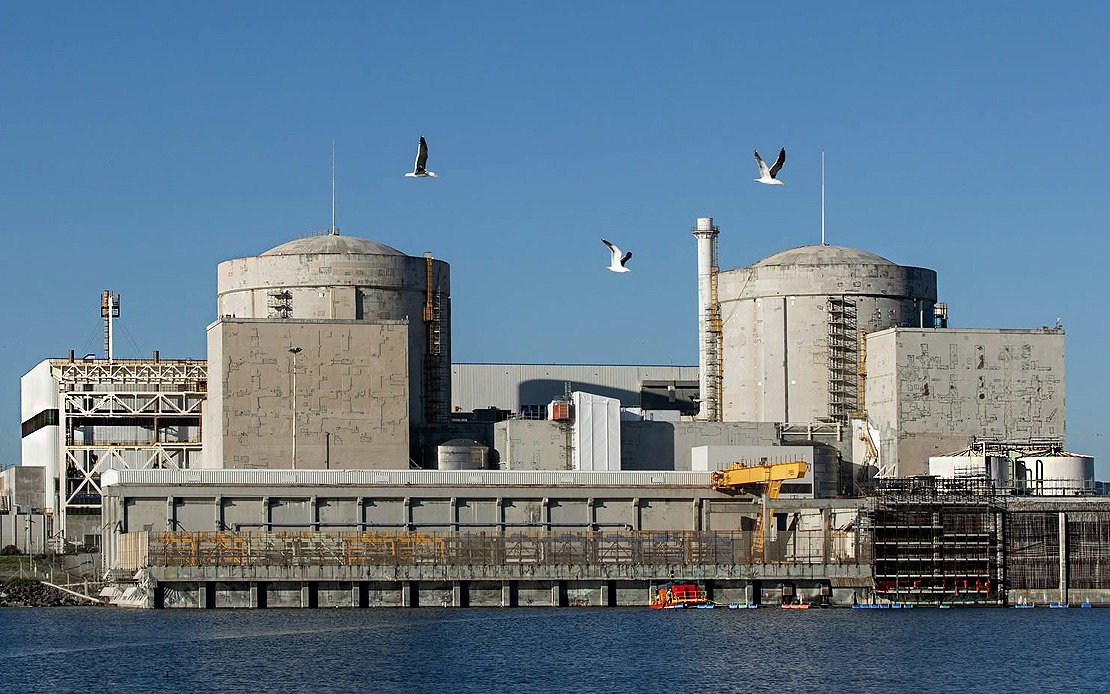
South Africa's Energy Minister Kgosientsho Ramokgopa disclosed on Sunday that multiple workers at the Koeberg Nuclear Power Station had received radiation exposure during routine maintenance activities spanning three incidents over recent weeks, marking a significant operational concern for the nation's largest nuclear facility located approximately 30 kilometres north of Cape Town.
The three separate exposure events took place on June 30, July 2, and July 7 at the power plant, which remains one of Africa's most important energy installations. Despite the incidents affecting staff members, Ramokgopa assured the public that all occurrences had been rapidly contained without any escape of radioactive material beyond the facility's controlled boundaries. Officials stressed repeatedly that residents in surrounding communities faced no health threat whatsoever from these events, a reassurance likely aimed at maintaining public confidence in nuclear operations.
The root cause of the radiation exposures stemmed from a temporary power outage that compromised the plant's ventilation systems during maintenance procedures. When ventilation systems fail to function properly, controlled containment of radioactive particles becomes compromised, potentially allowing worker exposure in areas that would normally remain safely contained. Ramokgopa characterised the radiation doses absorbed by affected workers as minimal, comparing them favourably to the exposure received during a standard dental X-ray procedure—a comparison designed to contextualise the incident as routine rather than dangerous.
Velaphi Ntuli, who leads South Africa's nuclear safety division, provided further technical assurance by stating that none of the three incidents crossed the threshold that would trigger mandatory reporting under the country's nuclear safety event classification system. This designation suggests that while exposure occurred, the intensity and circumstances fell below what regulators consider formally reportable events. However, this technical distinction may provide limited comfort to workers who were exposed, raising questions about transparency protocols and whether current thresholds adequately protect workforce interests.
For Malaysia and other Southeast Asian nations monitoring nuclear development in the region, South Africa's experience carries relevant implications. Several countries in the region, including Indonesia and Vietnam, have considered nuclear expansion as part of their energy transition strategies. The Koeberg incidents illustrate how even established nuclear facilities with decades of operational history can experience safety challenges, particularly when infrastructure disruptions like power outages trigger cascading effects through critical safety systems. This scenario underscores the importance of robust backup systems and redundancy in nuclear facility design.
South Africa's government remains committed to substantially expanding its nuclear capacity as a cornerstone of long-term energy strategy. Officials project adding 5.2 gigawatts of nuclear generating capacity by 2039, a dramatic expansion that would multiply the current fleet's output. This aggressive expansion timeline reflects the country's desperation to address chronic electricity supply deficits that have plagued the economy for nearly a decade, causing widespread rolling blackouts that constrain industrial production and economic growth.
The persistent electricity crisis stems from South Africa's overwhelming reliance on ageing coal-fired power stations that require substantial investment for maintenance and modernisation. Rather than investing heavily in coal infrastructure rehabilitation, the government has positioned nuclear energy as a strategic pillar of its energy future, viewing atomic power as cleaner, more reliable, and increasingly cost-competitive compared to other sources. This rationale mirrors arguments advanced by nuclear proponents across Asia who contend that nuclear energy is essential for meeting climate targets while guaranteeing baseload power supply.
Public opposition to the nuclear expansion programme, however, remains substantial and organised across South African civil society. Environmental and community groups have raised concerns about waste management, decommissioning costs, and the concentration of investment in nuclear technology rather than renewable alternatives. These debates closely parallel discussions occurring in Malaysia, where concerns about nuclear waste storage and the financial viability of nuclear investments compete with arguments favouring energy diversification and independence from coal dependence.
The government's long-term environmental objective establishes an ambitious target of transitioning South Africa's electricity generation to predominantly non-fossil fuel sources by 2050. Achieving this goal requires securing significant international financing for nuclear projects and maintaining political commitment across multiple electoral cycles—a challenge given South Africa's turbulent political environment and competing demands on national resources. The Koeberg incidents may complicate efforts to secure domestic public support and international investment confidence for the expanded nuclear programme.
These events also highlight the persistent vulnerability of critical infrastructure to environmental disruptions. Power outages triggered by equipment failure, grid instability, or weather events can cascade through multiple interconnected systems, creating safety scenarios that technical expertise alone cannot entirely eliminate. As climate change intensifies weather extremes, nuclear facilities globally face increased risks from disruptions that bypass traditional engineering safeguards, a consideration particularly relevant for Southeast Asian nations situated in tropical and typhoon-prone regions.
For Malaysian policymakers and energy planners, the Koeberg incidents provide instructive lessons about the complexities of managing nuclear operations in contexts where aging infrastructure, unreliable power supply, and maintenance challenges are endemic. While South Africa's authorities maintain that established safety protocols successfully contained the recent incidents, the underlying vulnerability—ventilation system failure during a power outage—represents the type of systemic risk that cannot be engineered away entirely, only managed and mitigated through rigorous maintenance, redundancy, and transparency.

