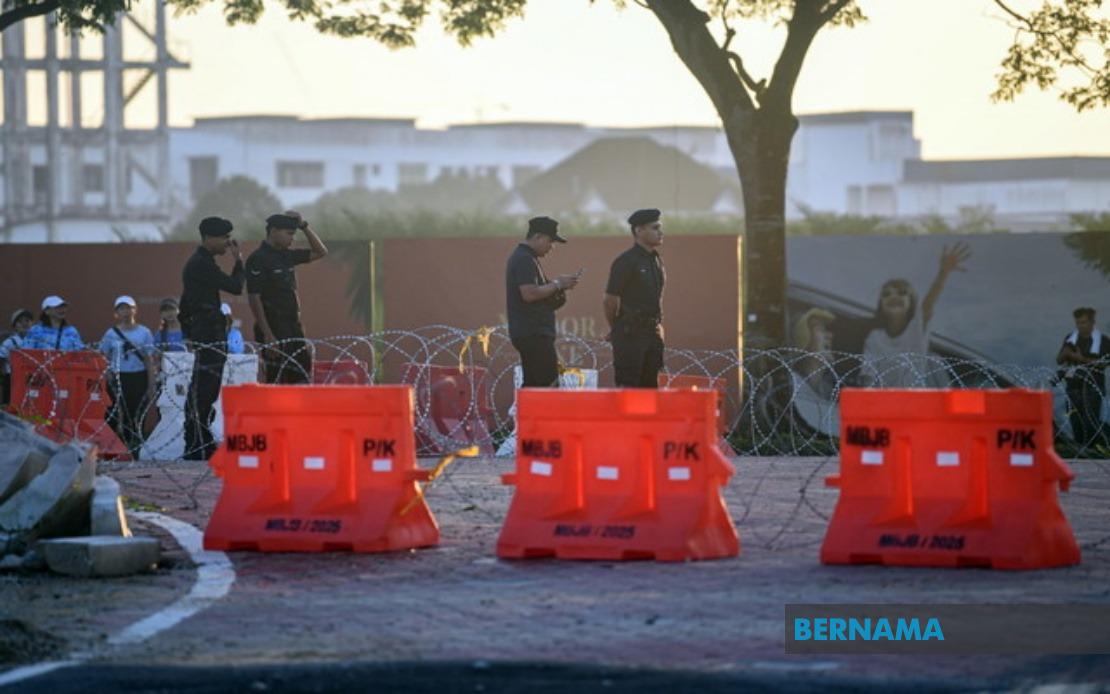
The nomination process for Johor's 16th state election proceeded smoothly on June 27, with clear skies and orderly conduct across all 56 polling centres dispersed throughout the state. The fine weather conditions set a positive tone for the critical day, allowing the Election Commission to execute its preparations without weather-related disruptions. From 9am to 10am, EC officials at each centre processed nomination papers as party representatives submitted their candidates' documents, establishing the formal roster of contenders for the 56 state legislative seats.
The atmosphere at nomination centres reflected a well-coordinated electoral exercise. Election Commission personnel completed final administrative preparations ahead of the morning submission window, with standardised procedures implemented across all locations to ensure consistency and transparency. The orderly management of the process underscored the EC's preparedness for conducting a major state election within a condensed timeline.
Security arrangements were comprehensive, with personnel stationed at every nomination centre to maintain crowd control and prevent disruptions. These measures proved essential given the political significance of the occasion and the need to protect the integrity of the nomination process. The visible security presence reassured both officials and participating parties that the exercise would proceed without incident.
Party enthusiasm manifested early, with supporters beginning to assemble at several centres as early as 7.30am. This eager turnout demonstrated the considerable interest that Johor's election has generated among the electorate and party workers alike. The early arrivals reflected the competitive nature of contests likely to emerge, with different parties mobilising resources to ensure their preferred candidates successfully registered their nominations.
The Malaysian Meteorological Department had forecasted predominantly dry conditions throughout most Johor districts during the morning hours, with afternoon thunderstorms expected in select areas. This weather pattern proved favourable for outdoor gatherings and movement of supporters to nomination centres. The predicted afternoon storms did not materialise as a significant impediment, as the critical nomination submission window occurred in the morning when conditions remained clement.
The Johor State Legislative Assembly comprises 56 seats across the state, reflecting a substantial electoral arena that requires considerable administrative coordination. The assembly was dissolved on June 1, initiating the formal election timetable. The EC subsequently announced July 7 as the early voting date, providing opportunities for eligible voters unable to cast ballots on the main polling day. This phased approach to voting reflects modern electoral best practices, allowing for broader participation and reducing potential congestion on July 11.
The electoral register presents a diverse demographic composition across the state. Total registered voters number 2,727,926, encompassing 2,703,175 ordinary voters who form the electoral bulk. Additionally, the register includes 12,041 military personnel and their spouses, recognising the armed forces' entitlement to participate in electoral processes. Police personnel and their spouses add another 12,710 voters, bringing security forces representation into the Johor electorate.
This voter composition reflects Johor's character as a state with significant urban centres, substantial military and police establishments, and diverse communities. The near 2.8 million registered voters represents considerable electoral weight within Malaysia's federal system, making Johor contests politically significant at both state and national levels. The state's electoral performance often carries implications beyond its borders, influencing broader political dynamics and coalition calculations in national governance.
The nomination day's successful execution marked a pivotal moment in Johor's political calendar. With candidates formally registered and the field of contenders established, the election campaign would now enter its more intensive phase. Parties would leverage the period between nomination day and polling day to mobilise supporters, articulate policy positions, and attempt to persuade wavering voters.
The compressed election schedule, moving from June 27 nominations to July 11 polling, allows limited time for campaigning compared to federal elections. This abbreviated timeframe means parties must act swiftly to establish their campaign messaging and reach voters effectively. Ground organisations become paramount in such contests, as established party machinery proves crucial for contacting supporters and mobilising turnout on polling day.
For Malaysian political observers, Johor's 16th state election carries broader significance within the contemporary political landscape. As a traditionally important state, electoral outcomes in Johor frequently reverberate through national politics, influencing coalition dynamics and governmental stability. The state's geographical position as a major economic and population centre, combined with its historical political influence, ensures that results will receive intense scrutiny from political analysts and stakeholders nationwide.
The smooth conduct of nomination day, facilitated by weather conditions and effective administrative execution, provides an encouraging foundation for the remainder of the electoral process. The orderly proceedings and strong security arrangements demonstrated institutional capability in managing large-scale electoral exercises. As voters prepare to cast their ballots on July 11, the nomination day's success suggests the EC possesses the operational capacity to facilitate a credible and transparent election that will command public confidence across diverse communities in Johor.

