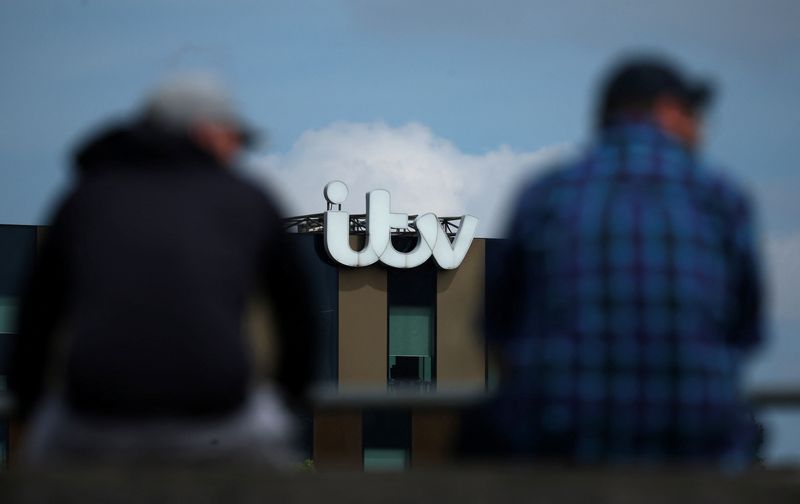
The British broadcasting landscape is undergoing a seismic shift following the announcement that Comcast's Sky will acquire the broadcast channels and streaming service of ITV for £1.6 billion (USD 2.13 billion). The transaction, confirmed on Monday and heralded by Sky Chief Executive Dana Strong as a "defining moment" in the history of British television, represents a strategic realignment born from the existential pressures facing traditional media incumbents in an age of digital disruption.
The proposed combination of ITV, the nation's largest free-to-air commercial broadcaster, with Sky, the dominant pay-TV operator established by Rupert Murdoch in 1989, would have appeared impossible just a few years ago. The consolidation of two historically distinct broadcasting tiers underscores how profoundly the rise of YouTube, Netflix, Amazon Prime Video, and Disney+ has reshaped competitive dynamics in the television industry. Traditional broadcasters, which once enjoyed stable revenue streams and captive audiences, now find themselves struggling to compete for viewer attention and advertising spend against technology-powered global platforms.
Regulatory authorities will scrutinize the merger carefully, as the combined entity would command approximately 70 percent of the UK television advertising market. This concentration figure includes third-party advertising sales contracts that Sky currently manages for Paramount-owned Channel 5, suggesting that remedies may be imposed to preserve competition. Sky's leadership has acknowledged that regulatory approval cannot be assumed, and there is a real possibility that the company will be required to divest certain advertising contracts or other assets to secure clearance. The outcome will be watched intently by other potential dealmakers across the British media sector, as they assess whether the political and regulatory environment has shifted sufficiently to permit consolidation that might previously have faced insurmountable obstacles.
Culture Minister Lisa Nandy has signaled her government's willingness to take an activist stance on major media transactions, recently declaring that she could intervene in a Paramount-Warner Bros. merger proposal. This positions the Culture Department as a meaningful participant in the approval process, alongside the Communications Authority and the Competition and Markets Authority. The government's broader policy tilt toward prioritizing growth and investment conditions, articulated in 2025 guidance to regulators, may provide a more permissive backdrop for the Sky-ITV tie-up, though no outcome is predetermined.
The combined enterprise will reach more than 20 million households and has committed to investing a minimum of £2.1 billion in programming during the 2028-2032 period. Both Sky and ITV have argued that merger-driven scale and resource concentration are essential to sustain world-class British programming and to maintain competitive relevance against Netflix, Amazon, and Disney+. Young audiences in particular, especially those aged 16 to 24, have migrated substantially toward streaming services and YouTube, eroding the traditional television audience base that once underpinned the economic model of terrestrial broadcasters. The pitch from the combined entity is that only through consolidation can British television maintain sufficient production budgets and creative ambition to retain relevance in a global marketplace.
Under the transaction structure, ITV will be reconstituted as a standalone production business, a separation that acknowledges the distinct roles of content creation and distribution in the modern media ecosystem. ITV Studios will continue producing popular shows including Love Island and Coronation Street for the merged Sky-ITV broadcasting platform, whilst also supplying programming to rival broadcasters and streamers internationally. The company's production arm has demonstrated competitive strength, having created shows such as Rivals for Disney and The Reluctant Traveller for Apple TV+, suggesting that independence from Sky's distribution platform need not compromise its creative or commercial performance.
ITV shareholders will receive £1.2 billion in upfront cash consideration, with an earn-out provision that could deliver an additional £200 million contingent on advertising performance in the 2027 financial year. The company will also acquire Love Productions, the production company behind The Great British Bake Off, which will be integrated into the remaining ITV Studios operations. These terms represent a recovery for ITV investors, whose holding has depreciated substantially over the past five years, declining 36 percent as the broadcaster contended with a persistently weak advertising market and structural audience migration to digital platforms. ITV's trading position on Monday rose 0.5 percent to 82 pence per share, reflecting modest market enthusiasm for the transaction.
Sky's own corporate trajectory has been dramatically reshaped by its 2018 acquisition by Comcast, the Philadelphia-based cable and media conglomerate. For decades preceding that sale, Sky had been synonymous with the Murdoch family, with Rupert Murdoch's son James holding senior executive positions within the company. Comcast itself announced plans in June to spin out its media assets, including NBCUniversal and Sky, from its core cable business, a structural choice reflecting the mounting competitive pressure from streaming platforms and the capital-intensive, lower-return characteristics of traditional pay-television distribution.
The merger announcement occurs at a critical juncture for traditional television broadcasters across the United Kingdom and Western Europe. Unlike in the United States, where the cable television ecosystem has proven more resilient, British television faces accelerating cord-cutting, younger demographic abandonment, and advertising revenue volatility. The ITV-Sky combination represents an attempt by two major incumbents to achieve sufficient scale and resource density to survive prolonged competitive disruption. Whether regulatory authorities will permit such consolidation, and whether the combined entity can successfully navigate the transition from broadcast television to a hybrid streaming-traditional model, will offer important lessons for other media companies facing similar existential pressures across developed markets.

