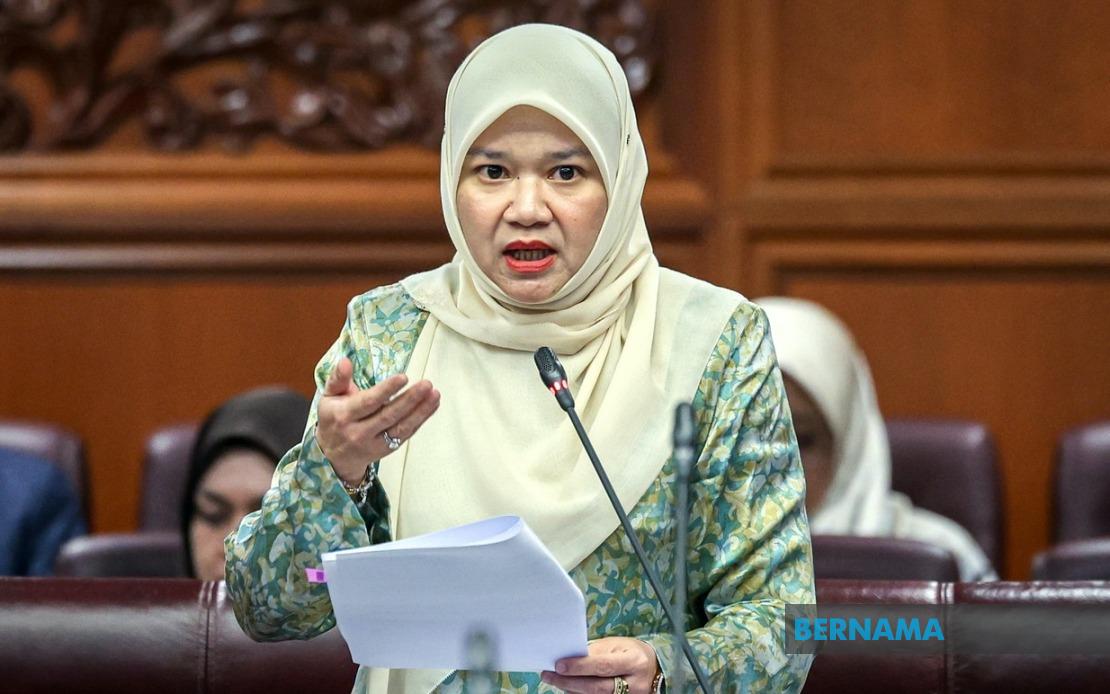
A long-troubled Tamil-medium school construction project in Penang has finally entered its final stages, with Education Minister Fadhlina Sidek announcing that Sekolah Jenis Kebangsaan (Tamil) Sungai Bakap is expected to open its doors by the final quarter of 2027. The government's commitment to reviving the project comes after more than a decade of setbacks that have left the school community in limbo, but also signals a renewed push to resolve chronic infrastructure backlogs affecting minority-language educational institutions across the country.
The timeline represents significant momentum following Prime Minister's approval of RM12,667,367.59 in funding, with the implementation responsibilities handed to Yayasan Didik Negara. Tender procedures advanced considerably when the project's advertisement was published on June 14, 2026, setting expectations that the formal Letter of Acceptance would follow in the third week of August 2026. This procedural progression suggests the ministry has moved beyond the bureaucratic obstacles that previously mired the initiative, though substantial construction work remains ahead to meet the ambitious deadline.
The replacement facility will constitute a comprehensive school building encompassing six classrooms, administrative offices, specialised teaching spaces, and supporting infrastructure erected on federal land. The scope reflects recognition that anything less than a modern, fully-equipped facility would be inadequate compensation for the Tamil-speaking community's prolonged wait. Such comprehensive provisions signal the government's intention to demonstrate tangible commitment to educational equity across different language streams within the national system.
The genesis of the delays traces back to 2015, when the School Governing Board received a one-time federal allocation of RM3.5 million. Despite this initial capital injection, the project never advanced as planned, succumbing to implementation difficulties, insufficient financial resources, and contractual disputes among stakeholders. The educational disruption extended beyond mere construction delays—these interruptions reflected deeper systemic issues about how government manages minority-language education infrastructure and community accountability.
Litigation further complicated progress, with multiple parties filing claims and the Ministry of Education itself becoming a defendant in court proceedings over financial liabilities. The resolution came only recently when the Sessions Court dismissed the case against the Ministry in May 2026, removing a critical legal impediment. This judicial closure was essential before serious construction could resume, as unresolved litigation would have created ongoing uncertainty about liability and resource allocation.
Minister Fadhlina acknowledged these historical failings while positioning the latest restart as part of a broader policy recalibration. Beyond the Sungai Bakap project specifically, she indicated the Education Ministry intends to comprehensively review its Guidelines for Changing School Locations, recognising that Tamil-medium schools in particular face demographic pressures and declining enrolments that necessitate strategic planning rather than ad-hoc responses. This regulatory review demonstrates growing recognition that the current framework inadequately addresses unique challenges confronting vernacular schools.
The proposed guideline revisions will target schools experiencing dwindling student populations, with Tamil-language institutions identified as especially vulnerable. Rather than viewing school closures or relocations as purely administrative matters, the Ministry now emphasises the imperative of community engagement—acknowledging that educational decisions affecting cultural and linguistic communities must incorporate grassroots consultation and address local demographic realities. This consultative approach contrasts with earlier top-down methodology that produced resistance and delays.
The reframed policy direction carries particular significance for Malaysia's Tamil-speaking population, which has witnessed steady erosion of vernacular schooling infrastructure over decades. Sungai Bakap's revival therefore symbolises more than a single construction project; it represents broader governmental recognition that minority-language education requires strategic investment and community-centred decision-making. The Ministry's openness to reviewing existing criteria suggests flexibility in applying policies designed for national contexts to specific community circumstances.
During parliamentary proceedings, Senator Dr A. Lingeshwaran's questioning highlighted how individual Tamil-language school crises attract political attention when escalated to legislative forums. This parliamentary mechanism, while occasionally effective in securing responses, also underscores reactive rather than proactive government engagement with vernacular education challenges. The Sungai Bakap case illustrates this pattern—decisive action materialised only after extended delays sparked formal inquiry.
When Senator Datuk Anna Bell @ Suzieana Perian raised parallel concerns about abandoned school facilities in Sabah, including Sekolah Menengah Kebangsaan Langkon in Kota Marudu and Sekolah Menengah Sains Sabah in Kota Kinabalu, the Minister deferred substantive response pending detailed examination. This reserve suggests the Sabah school infrastructure situation involves complexities warranting separate analysis, though the Ministry reassured that state-level educational facility concerns receive ministerial attention.
For Malaysian education stakeholders—particularly parents, teachers, and community leaders involved with Tamil-medium schools—the Sungai Bakap resolution offers cautious encouragement while highlighting the necessity for sustained vigilance. The twelve-year interval between initial funding and substantial construction progress reflects systemic inefficiencies that remain worth monitoring. Future projects must demonstrate comparable financial commitment, streamlined implementation mechanisms, and genuine community collaboration to validate the Ministry's reformed approach.
The fourth-quarter 2027 target carries implicit pressure, as further delays would undermine ministerial credibility on vernacular school infrastructure. Successful completion would vindicate the revised strategy of comprehensive policy review combined with targeted investment. Conversely, if construction encounters unforeseen obstacles, the delayed opening would reinforce perceptions that minority-language educational institutions remain insufficiently prioritised within national planning frameworks, potentially reigniting political controversy and community frustration.

