Sixteen retired personnel from the Malaysian Armed Forces will formally assume their positions as full-time wardens across eight MARA Junior Science Colleges beginning on July 1st, according to an announcement by MARA's leadership. This appointment represents a significant personnel development for the institution and reflects a deliberate strategy to address long-standing concerns about student discipline and welfare in boarding school environments. The initiative builds upon earlier pilot programmes that demonstrated potential benefits of integrating former military professionals into the residential college system.
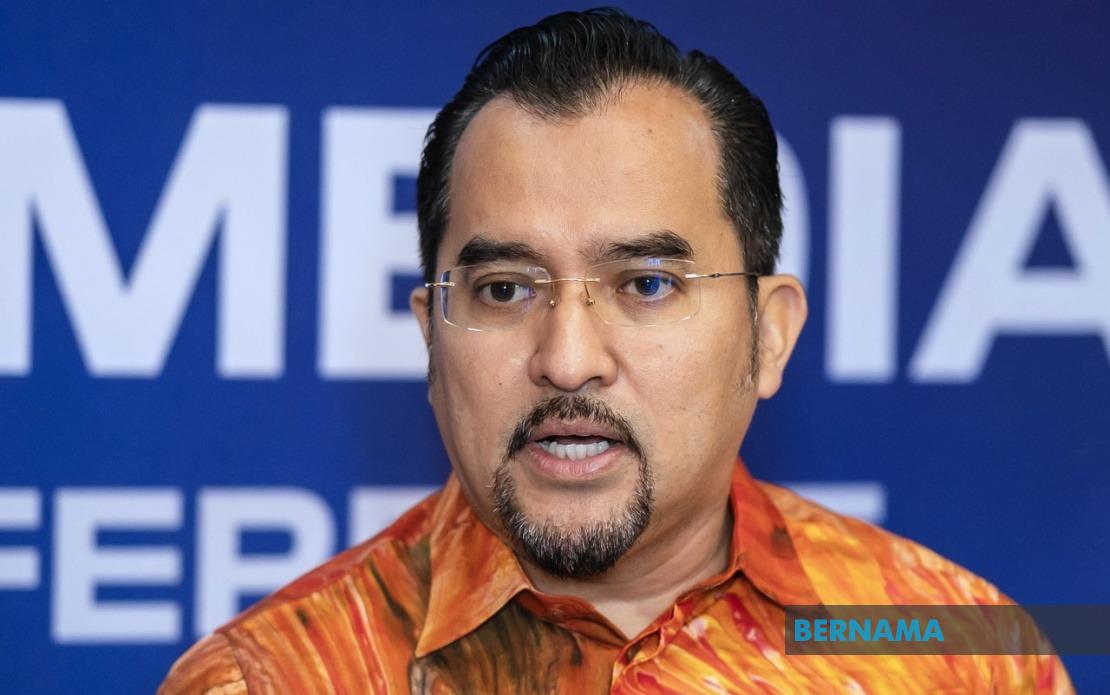
MARAs chairman Datuk Dr Asyraf Wajdi Dusuki outlined the rationale behind recruiting military veterans for these supervisory roles, emphasising that their background and training make them well-suited to foster structured environments that discourage inappropriate behaviour among students. The leadership particularly highlighted bullying as a persistent concern that stricter oversight might help eliminate. By embedding individuals accustomed to hierarchical structures and disciplinary frameworks into the residential college system, MARA hopes to create safer living spaces for its students, many of whom are adolescents away from home for extended periods.
The current deployment represents the second operational phase of what MARA describes as a phased expansion programme targeting eventual coverage across all 58 MARA Junior Science Colleges nationwide. The first phase occurred through a pilot project initiated at MRSM Besut and MRSM Balik Pulau in October of the previous year, which appears to have generated sufficient confidence for the institution to proceed with broader implementation. Strategic expansion through staged rollouts allows MARA to monitor outcomes, refine protocols, and address any challenges before scaling further. The third phase is currently scheduled to commence on January 1st, 2027, suggesting a methodical approach to institutional change.
Each of the eight designated colleges will receive a total of 32 wardens distributed as four individuals per campus—comprising two male and two female staff members. The first cohort beginning on July 1st consists entirely of male appointments. Simultaneously, MARA has been processing female candidates for the same positions, with 162 applications received and initial screening assessments completed in late June. Interviews for female candidates are scheduled shortly after, with finalisation of those appointments anticipated to follow promptly upon completion of equivalent vetting procedures. This gender-balanced approach recognises that student populations encompass both male and female residents requiring appropriate role models and supervisors.
The recruitment and vetting process involves substantial institutional coordination across multiple government and private sector partners. Glokal Link Sdn Bhd, a MARA subsidiary, leads the procurement effort in conjunction with the MARA Secondary Education Division, the Veterans Affairs Department, TalentCorp, and psychology specialists from the Malaysian Armed Forces. This collaborative structure ensures that candidates face rigorous evaluation from multiple perspectives, combining military expertise with human resources professionalism, economic development priorities, and psychological assessment capabilities. The breadth of institutional involvement signals MARA's commitment to thorough candidate evaluation rather than expedited recruitment.
Candidate screening has involved multiple assessment layers designed to ensure only individuals genuinely suitable for working with young people receive appointments. The process began with preliminary vetting by the Veterans Affairs Department and TalentCorp, restricting the applicant pool to recognised Malaysian Armed Forces veterans who completed service honourably and were not separated due to misconduct or disciplinary violations. Subsequent stages included physical interviews in mid-June involving 147 candidates at the MARA Higher Skills Institute in Kepong, with 139 of those being male applicants who had progressed through earlier elimination rounds. The narrowing of candidate numbers through successive stages reflects deliberate filtering designed to identify the strongest potential appointees.
Multiple psychological and fitness assessment methodologies supplement traditional interviews in evaluating suitability. Candidates have undergone standardised psychometric evaluations including the MyNext OCEAN personality assessment and RIASEC vocational interest testing, alongside military-specific psychological examinations and mental health screening. Physical fitness capabilities are assessed through body mass index measurements and bleep fitness testing protocols. Panel interviews drawing upon representatives from the collaborating agencies provide structured evaluation of candidate responses to scenarios and questioning. This multi-modal assessment approach aims to create a comprehensive picture of each candidate's capabilities, psychological resilience, and interpersonal competence.
Pre-appointment security vetting represents another critical component of the screening framework, with verification procedures conducted by the Royal Malaysia Police and cross-checking against child sexual offender registries. All candidates must achieve clear outcomes on criminal background checks and demonstrate no previous convictions or concerning patterns that might compromise their suitability for residential supervision roles. These security measures directly address public concerns about child safety in institutional boarding environments, which have occasionally been compromised by inadequate vetting of staff in various countries. MARA's explicit commitment to completing all security checks before formalising appointments represents an effort to prevent lapses that have occurred elsewhere.
Final appointment authorisation depends upon successful completion of psychological evaluation conducted specifically by Malaysian Armed Forces psychologists and counsellors, with particular emphasis on assessing risks related to child protection, sexual misconduct vulnerabilities, impulse control, appropriate boundary maintenance between wardens and students, and overall psychological suitability for residential college environments. This final assessment tier focuses explicitly on factors most directly relevant to student welfare and institutional safety, rather than general occupational competence. The specificity of this final evaluation stage underscores MARA's recognition that supervision of adolescent boarders requires particular psychological attributes beyond general professionalism or military background.
MARAs formal position statement regarding this initiative emphasises that appointment letters will not be issued until every component of the screening and vetting process has been completed to satisfaction. Leadership has committed publicly to appointing only candidates who demonstrate clear qualifications, clean records, strong integrity, and genuine suitability for caring roles within residential college contexts. This explicit threshold—somewhat unusual in government sector communications—appears designed to signal that MARA will not compromise on standards despite potential pressures to fill positions quickly or favour candidates with military connections. Such public commitment by institutional leadership may serve to reassure parents, students, and broader stakeholders who harbour legitimate concerns about staff quality in boarding environments.
The timing and scope of this expansion reflect Malaysia's ongoing policy emphasis on strengthening institutional discipline and student welfare across the secondary education sector. MARA Junior Science Colleges serve as prestigious institutions within Malaysia's education hierarchy, and any initiatives affecting them attract substantial public attention. The deliberate incorporation of military veterans into residential college staffing aligns with broader governmental interest in utilising former armed services personnel in civilian institutional roles, providing meaningful employment for retirees while theoretically benefiting organisations requiring disciplined, structured approaches. However, such initiatives also warrant careful monitoring to ensure that military culture genuinely translates effectively to adolescent education environments, where developmental psychology and individual student needs require approaches sometimes distinct from command-based military structures.
The phased timeline through 2027 provides a window for assessing whether this warden recruitment initiative achieves its stated objectives regarding discipline and student safety. Interim evaluation of outcomes from this current phase and the subsequent female warden appointments will inform decisions about the third expansion phase scheduled for early 2027. Parents, education policy experts, and student welfare advocates will likely scrutinise both the recruitment processes themselves and the subsequent performance of appointed wardens in practice. Success in this initiative could position former military personnel recruitment as a viable strategy for other Malaysian educational institutions grappling with discipline and welfare challenges, while any difficulties could prompt recalibration of the overall approach. This expansion thus represents a significant institutional experiment with meaningful implications for Malaysia's secondary boarding school sector.

