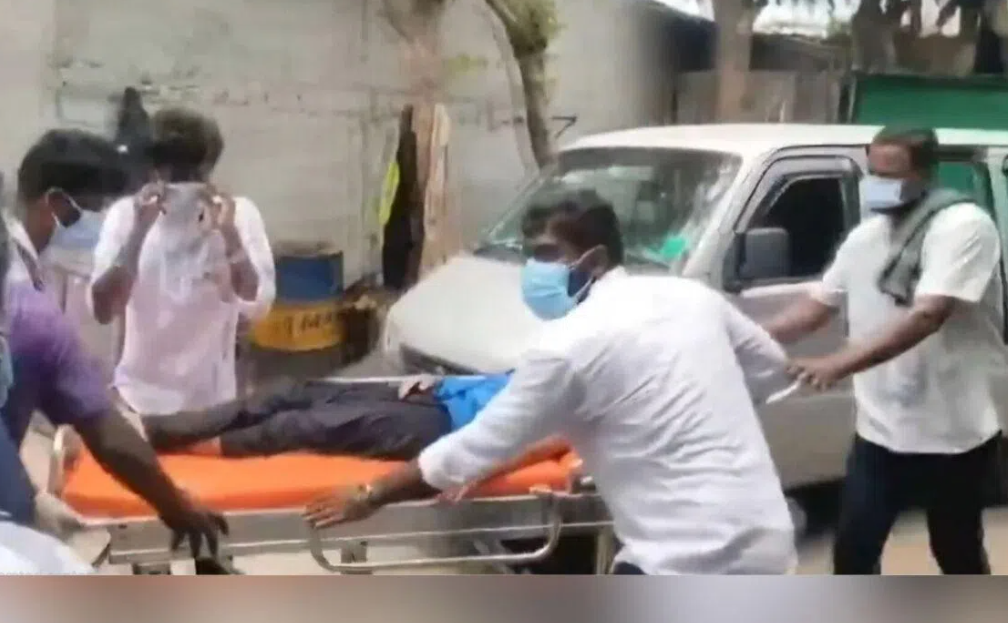
A catastrophic gas leak at a seafood export facility in Tamil Nadu has claimed the lives of at least six workers and left dozens more requiring urgent medical treatment. The incident unfolded on Sunday at a processing unit situated near Periyapalayam village in Thiruvallur district, exposing the severe occupational hazards that persist in India's industrial sectors, particularly those employing vulnerable migrant labour forces.
The seafood plant was operating with approximately 120 migrant workers on its premises when the suspected ammonia leak occurred. The workforce comprised predominantly women from several Indian states including Assam, Odisha and Jharkhand, reflecting the pattern of internal labour migration that characterises India's export-oriented food processing industry. The composition of the workforce raises additional concerns about worker protection standards, as migrant labourers often lack the networks, knowledge and resources to assert safety rights or understand hazard communication protocols in unfamiliar work environments.
Investigators have traced the source of the gas leak to either the refrigeration or processing systems integral to the seafood facility's operations. These systems operate under high pressure and contain hazardous gases critical for temperature maintenance during food preservation and export preparation. The speed with which the ammonia spread throughout portions of the facility indicates a substantial breach in containment, suggesting either inadequate maintenance, faulty equipment or insufficient safeguards in the system's design and installation.
Workers exposed to the gas experienced acute physiological distress that manifested in multiple severe symptoms. Victims reported intense breathing difficulties, dizziness and respiratory irritation as the ammonia penetrated the plant's work areas. Most alarmingly, some workers suffered bleeding from the mouth and nasal passages, a symptom that indicates severe chemical burns to the respiratory and mucous membranes—a sign of dangerously high exposure concentrations. These symptoms collectively point to an uncontrolled release of substantial quantities of ammonia gas into the work environment.
The plant descended into chaos as workers sought to escape the hazardous atmosphere. Some managed to evacuate to safety, while others collapsed or became incapacitated before reaching clean air. The scene required coordinated intervention from multiple emergency response agencies, including local police units and municipal authorities who mobilised rescue personnel to extract affected workers from the contaminated areas. The speed and coordination of the response may well have prevented additional fatalities.
Victims were transported to nearby medical facilities where they received emergency treatment for respiratory damage, chemical exposure and shock. Several workers remain in critical condition, suggesting that the full death toll may yet rise as families await updates on their relatives' conditions. Hospitals in the Thiruvallur district have been stretched by the sudden influx of chemical exposure victims requiring intensive care and specialised treatment protocols.
Tamil Nadu Chief Minister C. Joseph Vijay issued immediate directives following news of the disaster, emphasising the government's commitment to providing comprehensive medical assistance to all affected workers. His intervention at the highest political level reflects the severity of the incident and the public attention it has garnered within the state. However, such high-level statements often mask systemic weaknesses in industrial oversight that allow such preventable tragedies to occur.
To determine the root causes and prevent future incidents, the Chief Minister ordered the establishment of a three-member inquiry committee tasked with examining the circumstances surrounding the leak. The committee has been instructed to conduct immediate on-site inspections of the facility and deliver a detailed investigative report within 24 hours—an ambitious timeline that may constrain thorough examination. The inquiry will likely focus on whether adequate safety protocols existed and were being followed, what maintenance procedures were in place and whether equipment had been properly serviced and monitored.
Police have initiated formal criminal investigations, with a case registered against responsible parties at the facility. Authorities are specifically examining whether the plant violated established industrial safety regulations and whether supervisory lapses or deliberate negligence contributed to the catastrophic release of ammonia. Such investigations often proceed slowly in India, and securing accountability for industrial disasters remains a persistent challenge within the judicial system.
The incident underscores a troubling pattern in South Asian food export industries, where competitive pressures and cost-cutting measures frequently compromise worker safety standards. For Malaysian and Southeast Asian readers, the tragedy serves as a sobering reminder of risks inherent in cross-border supply chains and the importance of robust due diligence when sourcing seafood products. The incident highlights why international standards for occupational safety must be consistently enforced across all facilities, regardless of their location or economic pressures they face.

