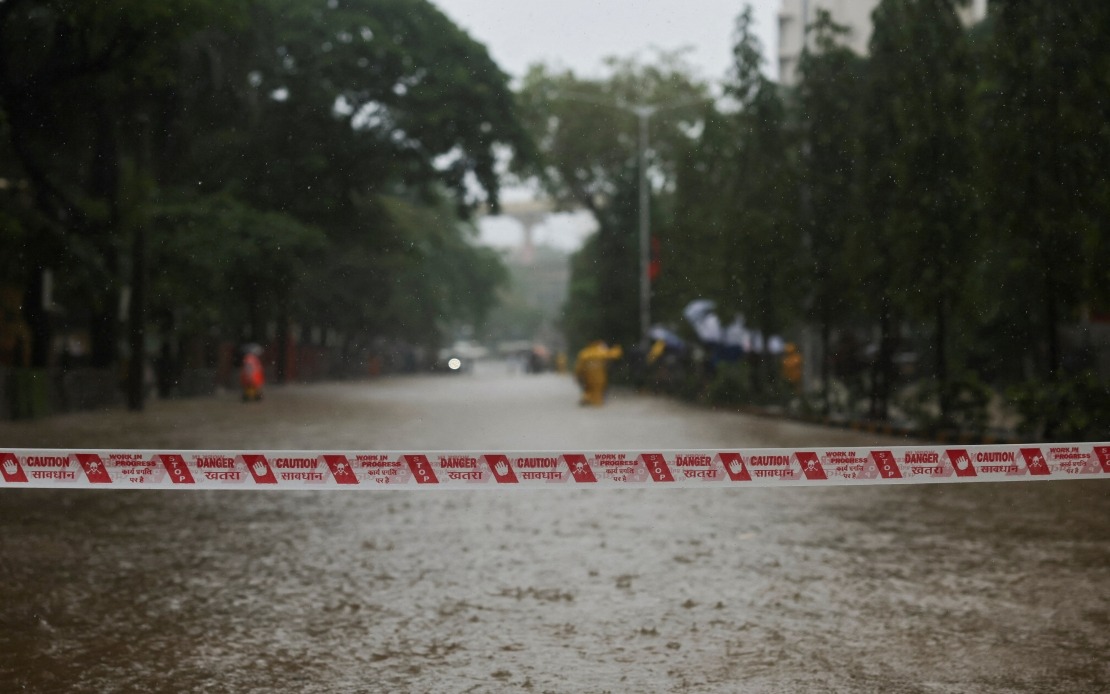
A residential building in Mumbai crumbled under the weight of heavy monsoon downpours on Sunday, resulting in six fatalities and leaving one person injured. The disaster struck in the densely populated Mankhurd area of India's financial hub, prompting immediate scrutiny of the structure's integrity and construction practices. Maharashtra State Minister Girish Mahajan, a senior leader of the Bharatiya Janata Party, confirmed the casualty figures to journalists and announced that authorities would examine how the building was originally constructed and approved.
The collapse occurred as torrential rains and powerful winds battered the Mumbai region, creating hazardous conditions across the metropolitan area. The weather system proved severe enough to temporarily disrupt flight operations at Mumbai's Chhatrapati Shivaji Maharaj International Airport, forcing officials to suspend takeoffs and landings while wind speeds and visibility remained at dangerous levels. Such disruptions at one of South Asia's busiest aviation hubs underscore the intensity of the weather event and its broader impact on the city's infrastructure and daily operations.
In response to the escalating weather threat, local educational authorities took a precautionary approach by declaring an unscheduled closure of schools and colleges across the region. The decision prioritized student safety during conditions when commuting to and from institutions would have exposed young people to significant risk. This administrative response reflects a growing recognition among Indian municipal leaders that extreme weather events demand proactive measures rather than reactive crisis management.
The incident highlights persistent vulnerabilities in Mumbai's aging building stock, where rapid urbanisation and inadequate enforcement of construction codes have created environments where structural failures can occur with devastating human consequences. The Mankhurd neighbourhood, like many working-class and middle-income residential areas in the city, contains numerous older structures built during periods when building standards were less rigorous or when inspections proved inadequate. Investigations into the collapsed building will likely reveal whether design flaws, substandard materials, poor maintenance, or a combination of factors contributed to the structural failure.
Monsoon season in India represents an annual challenge that stretches from June through September, bringing the majority of the country's annual rainfall to most regions. For a megacity like Mumbai, already sprawling across limited space with millions of residents concentrated in densely packed neighbourhoods, the arrival of such intense precipitation tests the resilience of urban infrastructure. Buildings must withstand not only the weight of torrential rain accumulation but also the psychological and structural stress imposed by sustained wind pressure, flooding at foundation levels, and saturated soil conditions that compromise load-bearing capacity.
The vulnerability of Mumbai's infrastructure to monsoon-related disasters reflects broader patterns across South Asian cities where rapid population growth has outpaced the development of adequate housing stock and maintenance systems. Slum settlements and informal housing exist alongside deteriorating older residential buildings, many of which predate modern safety standards. When heavy rains arrive, these structures often lack the drainage systems, structural reinforcement, and regular maintenance necessary to withstand seasonal weather challenges that engineers and planners anticipated decades earlier.
For Malaysian readers observing this tragedy, the parallels to Southeast Asia's own monsoon challenges warrant consideration. Malaysia's tropical climate brings similar seasonal rainfall patterns to cities like Kuala Lumpur and George Town, where ageing buildings and infrastructure also face stress during the northeast and southwest monsoons. The Mumbai incident serves as a cautionary reminder of the importance of regular structural inspections, enforcement of building codes, and proactive maintenance programmes for residential properties in regions where seasonal extremes pose recurring risks.
The investigation announced by State Minister Mahajan will likely examine whether the building's construction violated established codes, whether approvals were granted inappropriately, and whether subsequent maintenance failures accelerated deterioration. Such inquiries often reveal that multiple actors—from initial contractors to municipal inspectors to property owners—share responsibility for structural failures. Determining precise culpability will require technical assessment of the building materials, foundation integrity, and maintenance records alongside examination of official approvals and inspection documents.
The broader implications extend beyond this single incident to questions about how Indian municipalities can upgrade building safety across their aging urban housing stock. With thousands of multi-storey residential buildings in Mumbai alone potentially presenting similar risks, authorities face significant pressure to implement systematic inspection programmes and enforce remedial work where needed. The challenge intensifies given the enormous expense of retrofitting or replacing vulnerable structures and the limited municipal budgets available for such work. This disaster will undoubtedly prompt renewed calls for stricter oversight and potentially revised building codes reflecting modern understanding of structural engineering and climatic risks.

