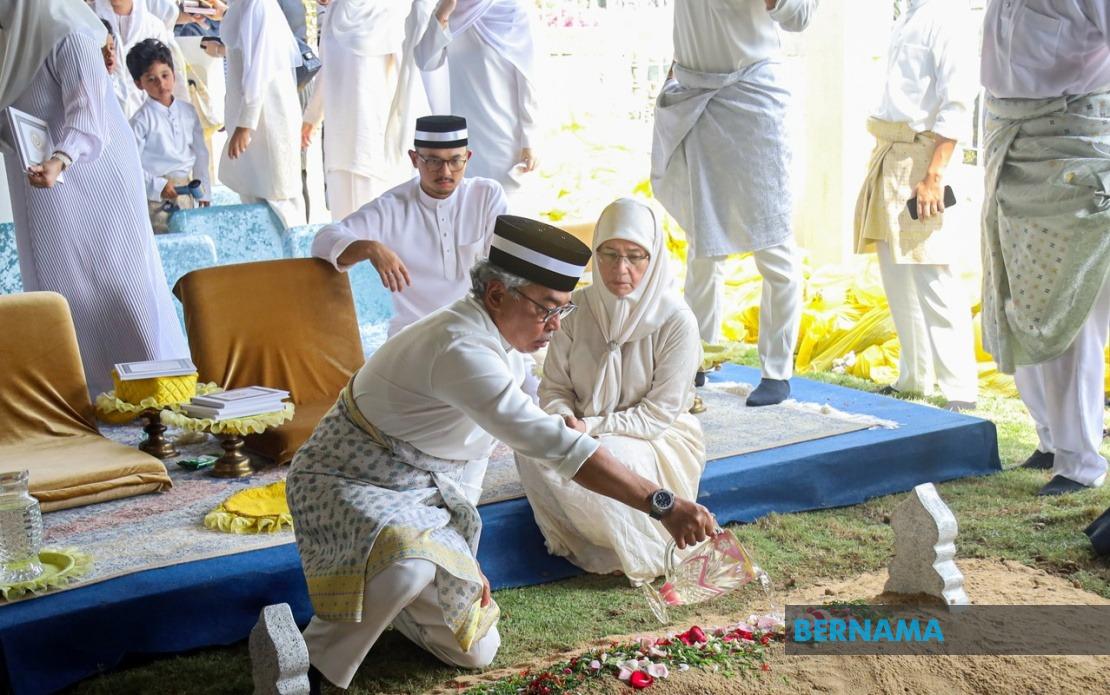
Tengku Puteri Seri Kemala Tengku Datuk Seri Aishah, the elder sister of Pahang's reigning monarch Al-Sultan Abdullah Ri'ayatuddin Al-Mustafa Billah Shah, was committed to her final resting place at the Royal Mausoleum in Pekan on Wednesday. The burial followed traditional Islamic rites and full ceremonial honours befitting a member of the royal household, drawing attendance from senior state and federal figures across Malaysia's corridors of power.
The princess succumbed at 9.25 pm on Tuesday evening at a private hospital in Kuala Lumpur, ending a life spanning 69 years. Her death marks a significant moment within Pahang's royal family, one of Malaysia's most prominent state dynasties with deep historical roots stretching back generations. The loss of an elder sibling within a reigning sultan's immediate family carries particular resonance in Malaysian royal circles, where such figures often serve as custodians of family history and tradition.
Her Majesty Tengku Ampuan of Pahang Tunku Azizah Aminah Maimunah Iskandariah joined the Sultan at the interment, underscoring the collective nature of royal mourning. Also in attendance was the Tengku Mahkota of Pahang Tengku Hassanal Ibrahim Alam Shah, representing the younger generation of Pahang's royal line. This multi-generational presence reflected the solemnity with which the state's ruling family approached the occasion, with family members spanning different age cohorts and administrative roles coming together in observance of their loss.
Beyond the immediate royal family, dignitaries representing the broader Malaysian governmental framework attended the ceremony. Melaka's Yang Dipertua Negeri Tun Mohd Ali Rustam and Pahang Menteri Besar Datuk Seri Wan Rosdy Wan Ismail were among those present, highlighting how the death of a royal family member generates ceremonial participation extending across state and federal administrations. Such attendance patterns reflect Malaysia's constitutional structure, where state rulers maintain significant formal and cultural prominence.
Funeral observances commenced in the capital before the journey to Pahang. The Khalid bin Al-Walid Mosque in Kuala Lumpur's Jalan Padang Tembak hosted funeral prayers in the morning hours, drawing mourners and well-wishers from the federal territory. This initial ceremony represented an important stage in Islamic funeral customs, allowing the Kuala Lumpur community and those with connections to the deceased to pay their respects before the subsequent transfer eastward.
Following prayers in the capital, the remains were transported from Subang Air Base by air, facilitating rapid conveyance to the East Coast state. Upon arrival in Pahang, the cortège proceeded to the Sultan Ahmad 1 Mosque in Pekan, where the deceased would receive additional religious observances. The remains reached the mosque at 1.25 pm, providing time for additional funeral prayers to be performed following the zuhur congregational prayer, ensuring alignment with Islamic prayer timings and customs.
The final journey from the mosque to the Royal Mausoleum, situated adjacent to the place of worship, represented the culmination of the day's ceremonial proceedings. The Royal Mausoleum holds deep significance within Pahang's royal heritage, serving as the burial ground for successive generations of the state's ruling family and their immediate relatives. This location underscores the continuity of the Pahang sultanate and the place of each royal family member within the broader historical narrative of the state's governance.
Burial rites themselves adhered to Islamic protocols overseen by religious authorities. Pahang Mufti Datuk Dr Asmadi Mohamed Naim presided over recitation of Yasin at graveside, accompanied by tahlil and prayers befitting royal funeral customs. These religious observances blend scriptural recitation with supplication, reflecting Islamic funeral traditions observed across Malaysia and the wider Muslim world. The inclusion of the state mufti ensured religious propriety and appropriate spiritual oversight of the proceedings.
In a poignant moment, both the Sultan and Tengku Ampuan participated directly in the final stages of the burial ceremony by sprinkling rose water and scattering flowers upon the grave. Such personal participation by the closest family members transforms the formal ceremonial aspects into intimate expressions of grief and farewell. These gestures, steeped in Islamic tradition and Malaysian royal custom, provided visible testimony to the familial bonds connecting the deceased to those mourning her passing.
The death of Tengku Puteri Seri Kemala represents a transition point within Pahang's royal family, marking the passing of a generation that bridged earlier periods of the sultanate with the contemporary era. Elder siblings within royal households often serve valuable roles as repositories of family knowledge and tradition, particularly regarding historical events and decisions that shaped the state's modern trajectory. The loss of such figures inevitably prompts reflection on changing family dynamics within Malaysia's royal institutions.
For Malaysian observers of royal affairs, the funeral proceedings illustrated how contemporary state palaces continue observing time-honoured protocols even as Malaysia navigates rapid social and technological change. The combination of air transport, international-standard hospital facilities, and ancient Islamic and royal customs demonstrated the blending of modern administrative structures with deeply rooted cultural and religious practices. Such integration remains characteristic of how Malaysia's constitutional monarchy adapts to the twenty-first century while maintaining connection to established traditions.

