Singapore's National Day Rally on August 23 will trigger significant traffic disruptions across parts of Ang Mo Kio, prompting authorities to impose a comprehensive closure programme affecting several arterial routes and lane configurations in the vicinity of ITE College Central. The Singapore Police Force announced the restrictions via social media on August 21, providing motorists with advance notice of the day-long traffic management scheme designed to facilitate the event and ensure public safety.
The closure framework encompasses multiple slip roads and directional lanes along Ang Mo Kio Avenue 5, the primary corridor serving the area. Two slip roads connecting Ang Mo Kio Avenue 5 and Ang Mo Kio Drive will be completely sealed to general traffic, effectively isolating the immediate vicinity around the event venue. Additionally, the extreme left lane of Ang Mo Kio Avenue 5 heading toward the Central Expressway will be closed across two separate segments demarcated by lamp posts 74A through Ang Mo Kio Drive, and again between lamp posts 79 and 81. The extreme right lane proceeding toward Ang Mo Kio Avenue 8 will also face restrictions between lamp posts 83A and Ang Mo Kio Avenue 10, further constraining traffic flow through the district.
All closures commence at 5am and remain in force until 11.59pm, creating an extended operational window that extends well beyond the actual rally timing. This extended period reflects the comprehensive preparation and security requirements surrounding the prime ministerial address, with authorities requiring time both for pre-event staging and post-event clearance operations. Only vehicles with specific authorisation, along with police and emergency services, will retain access through the affected corridors during this period, allowing essential services and sanctioned support vehicles to navigate the restricted zones.
The Singapore Police Force will deploy ground personnel extensively throughout the affected areas, positioning officers, auxiliary police units, and security staff to manage traffic flow, assist disorientated motorists, and enforce compliance with the closure directives. This visible police presence serves both practical crowd management and deterrent functions, discouraging attempted violations of traffic restrictions while providing on-the-spot assistance to confused or non-compliant drivers. The deployment underscores the operational complexity of managing major state events within Singapore's dense urban environment, where road networks integrate multiple competing demand patterns.
Parking enforcement will intensify considerably in the impact zone, with authorities implementing strict towing policies against vehicles found parked illegally or obstructing thoroughfares. Motorists should anticipate that any vehicles left in violation areas will face removal rather than merely receiving citations, incentivising drivers to seek alternative parking locations well in advance. The police explicitly cautioned about this enforcement posture, signalling that leniency will not be extended to parking violators during the event period. Residents and workers in affected areas should plan accordingly, relocating vehicles to approved locations before the closure window opens.
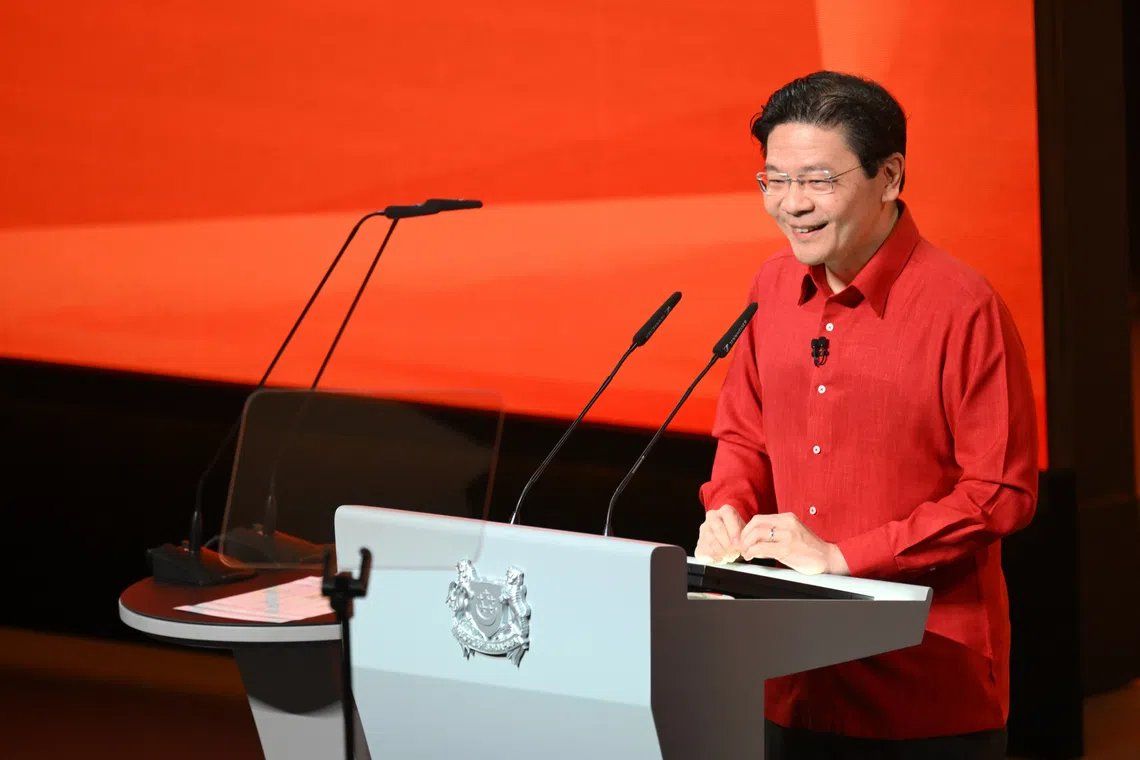
Prime Minister Wong Shentao will deliver the National Day Rally address, beginning at 6.45pm with remarks delivered in Malay, followed by a Mandarin-language segment. The English portion commences at 8pm, reflecting Singapore's multilingual governance approach and acknowledging the linguistic diversity of the national audience. This structured progression through Singapore's main official languages ensures comprehensive coverage of the citizen body and reinforces the inclusive nature of the prime ministerial address as a national occasion. The staggered timing also allows different broadcast media windows to accommodate international audiences and diaspora communities with varying linguistic preferences.
For Malaysian and regional readers, this event carries particular relevance as a case study in managing major political communications within densely populated urban zones. Singapore's National Day Rally serves as the premier governmental platform for articulating national priorities, progress assessments, and forward-looking policy announcements—a function analogous to state-of-the-nation addresses delivered by heads of government throughout Southeast Asia. The comprehensive traffic management protocols deployed for such events reflect Singapore's distinctive approach to balancing public accessibility with security and operational requirements, a model that other regional governments occasionally reference when designing their own major event infrastructure.
Broadcast arrangements extend accessibility beyond the physical venue, with transmission through all local television and radio channels complemented by digital streaming through the Prime Minister's YouTube channels. This multi-platform approach reflects contemporary expectations of governmental communication, ensuring that citizens unable to attend the venue or accessing the event through mobile devices can participate synchronously. The recording availability from August 24 onwards on the Prime Minister's Office website and YouTube channels provides extended accessibility, permitting those unable to view during the live broadcast window to access the content subsequently.
This third National Day Rally under PM Wong's leadership represents his continuing utilisation of the platform to communicate directly with the electorate regarding governmental performance and national direction. The event reinforces the centralised importance that Singapore's political system places on prime ministerial direct address, particularly regarding substantive policy disclosures and performance accountability. For regional observers, such occasions illuminate the strategic communication patterns and institutional mechanisms through which Singapore's leadership maintains public engagement on matters of national consequence, offering comparative context for understanding political communication practices across Southeast Asia's diverse governance models.
Motorists requiring further information regarding the traffic closures or operational arrangements should contact the police information hotline at 1800-218-0000, where trained operators can provide specific guidance regarding route alternatives and closure timings. The provision of this dedicated contact channel reflects authorities' acknowledgement that despite advance notice, many motorists will require real-time clarification regarding optimal routing strategies or exceptions to the closure protocols. Planning alternative commute arrangements well ahead of August 23 represents the most prudent course for affected road users, particularly those whose regular routes intersect the closure zones.

