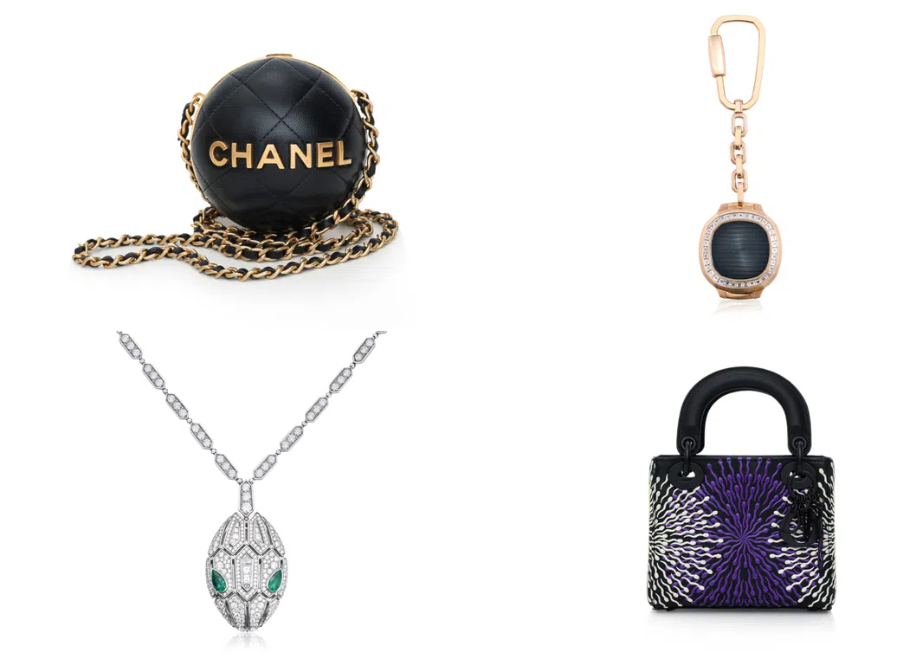
Singapore's authorities are preparing to liquidate a vast collection of luxury assets confiscated during what the city-state has termed its largest money laundering investigation. The auction process, managed by professional services firm Deloitte, will see branded handbags, designer watches, fine jewellery and over 80 real estate properties sold through a series of online sales mechanisms beginning in September. This systematic disposal represents a significant milestone in converting seized criminal proceeds back into state coffers following a major enforcement operation that dismantled an international financial crime network.
The initial phase of asset sales begins with two simultaneous auctions scheduled for September 7, 2026. Hotlotz, a local auction house, has been appointed to manage the sales of smaller items through 15 separate timed auctions running through May 2027. The first two auctions will feature more than 300 luxury handbags and accessories from prestigious brands including Chanel, Louis Vuitton and Christian Dior, alongside over 250 pieces of fine jewellery from houses such as Graff, Bulgari and Van Cleef & Arpels. Online bidding will commence at 10am Singapore time on September 7 and continue through 4pm on September 20, with the digital catalogues made available to prospective buyers at the opening time.
For Malaysian readers, this auction presents an interesting case study in how Southeast Asian authorities are increasingly deploying asset recovery mechanisms following major financial crime investigations. The transparency of this public auction process—open to global participants with mandatory identity verification—contrasts with older approaches to seized asset management and reflects international best practices that other regional governments, including Malaysia, may look toward as they strengthen their own financial crime enforcement frameworks. The scale of assets involved here totalling approximately S$3 billion underscores just how sophisticated cross-border money laundering networks can become and the substantial resources they can accumulate.
The investigation that led to these seizures culminated in an island-wide raid on August 15, 2023, which resulted in the arrest of ten foreign nationals. All ten have since been convicted and deported from Singapore. Beyond those direct arrests, authorities systematically seized or took control of approximately S$1.25 billion in non-cash assets during the broader probe. These confiscations encompassed 207 residential and commercial properties, 77 vehicles, 483 luxury handbags, 169 branded watches, 580 pieces of jewellery, 68 gold bars, cryptocurrency valued at over S$38 million, and thousands of bottles of premium liquor and wine. The breadth of asset types illustrates how money laundering networks use diverse channels to park illicit wealth, from traditional real estate and precious items to emerging digital assets.
Physical viewing of items before bidding will be accommodated through appointment-based sessions at Le Freeport, a maximum-security private vault facility located in Changi. Prospective buyers interested in inspecting the luxury goods must register through Hotlotz's digital platform and book their viewing slots in advance. This arrangement balances the convenience of global online bidding with the practical necessity of allowing serious buyers to examine high-value items in person before committing to purchases. The structured viewing process also maintains security protocols appropriate to such valuable merchandise.
Justin Lim, a restructuring partner at Deloitte, indicated that auction will be complemented by alternative disposal methods where circumstances warrant. These include limited tender processes, expressions of interest from qualified buyers, and direct sales to suitable purchasers. For the real estate holdings, three major property firms have been engaged: SRI, Edmund Tie & Company (SEA) and Knight Frank will manage the progressive marketing and sale of the properties. Certain selected properties will additionally be offered through expressions of interest conducted by List International Realty. This multi-channel approach recognises that different asset categories and individual properties may achieve optimal prices through tailored sales mechanisms rather than one-size-fits-all auctions.
The subsequent tranches of planned auctions will expand the range of luxury items on offer. Later sales phases, tentatively scheduled for November 2026 and beyond, will introduce handbags by Hermès and timepieces from prestigious watchmakers including Patek Philippe, Richard Mille and Rolex. More than 1,000 items total are expected to be listed across the full auction series. Matthew Elton, chief executive of Hotlotz, has emphasised that every item will be professionally catalogued and extensively promoted to ensure fair market realisation. The auction house has experience with high-profile sales, having previously auctioned a silver Montblanc fountain pen that once belonged to Singapore's founding Prime Minister Lee Kuan Yew for S$461,500 on August 16.
From a regional financial crime perspective, the Singapore operation and its aftermath carry instructive lessons. The scale of capital that criminal networks can accumulate through money laundering demands sophisticated detection and investigation capabilities, which Singapore has clearly developed. More notably, the comprehensive asset recovery process—from initial seizure through organised liquidation—demonstrates institutional commitment to returning proceeds to the public purse. Police have already transferred S$1.4 billion comprising seized cash and liquidated proceeds into Singapore's Consolidated Fund as of the close of the 2025 financial year. This substantial sum illustrates how financial crime enforcement directly contributes to state revenues when assets are successfully recovered and converted to cash.
Deloitte has cautioned members of the public to participate only through officially sanctioned auction and sales processes. This warning reflects the reality that high-profile asset auctions can attract scammers attempting to exploit buyer interest. The mandatory identity verification requirement for auction registration serves as a protective measure for both genuine purchasers and the authorities conducting the sale. Global participants wishing to bid must complete these verification steps for each auction, creating an audit trail and reducing fraud risks inherent in large-value international transactions.
For Southeast Asian jurisdictions, Singapore's systematic approach to seized asset management offers a template worthy of study. Many developing enforcement regimes struggle with the practical challenge of what to do with confiscated assets once criminal convictions are secured. Allowing assets to languish in government custody creates storage costs, security burdens, and degradation of perishable or time-sensitive items. Public auctions conducted with professional auctioneers achieve multiple objectives simultaneously: they convert assets rapidly into fungible cash, they maintain transparency that withstands scrutiny, they prevent political patronage in asset distribution, and they generate revenue for governments. Malaysia, with its own substantial money laundering and financial crime challenges, might consider whether Deloitte's approach and Hotlotz's model could be adapted for similar operations here.
The timeline for completing the full asset liquidation extends through May 2027 at minimum, with real estate sales likely continuing beyond those dates given the complexity of property transactions. This extended timeline reflects both the volume of items requiring individual assessment and cataloguing, and the deliberate pace necessary to ensure fair market prices rather than fire-sale conditions. The global accessibility of these auctions—with online bidding open to international participants—should theoretically maximise purchase prices by expanding the potential buyer pool far beyond Singapore's domestic market. International collectors of luxury handbags, watches and jewellery will have opportunity to participate, potentially driving higher realisation values than would be achieved through regional sales alone. These proceeds, flowing into Singapore's Consolidated Fund, ultimately contribute to public finances following a criminal enterprise that extracted wealth through illegal channels.

