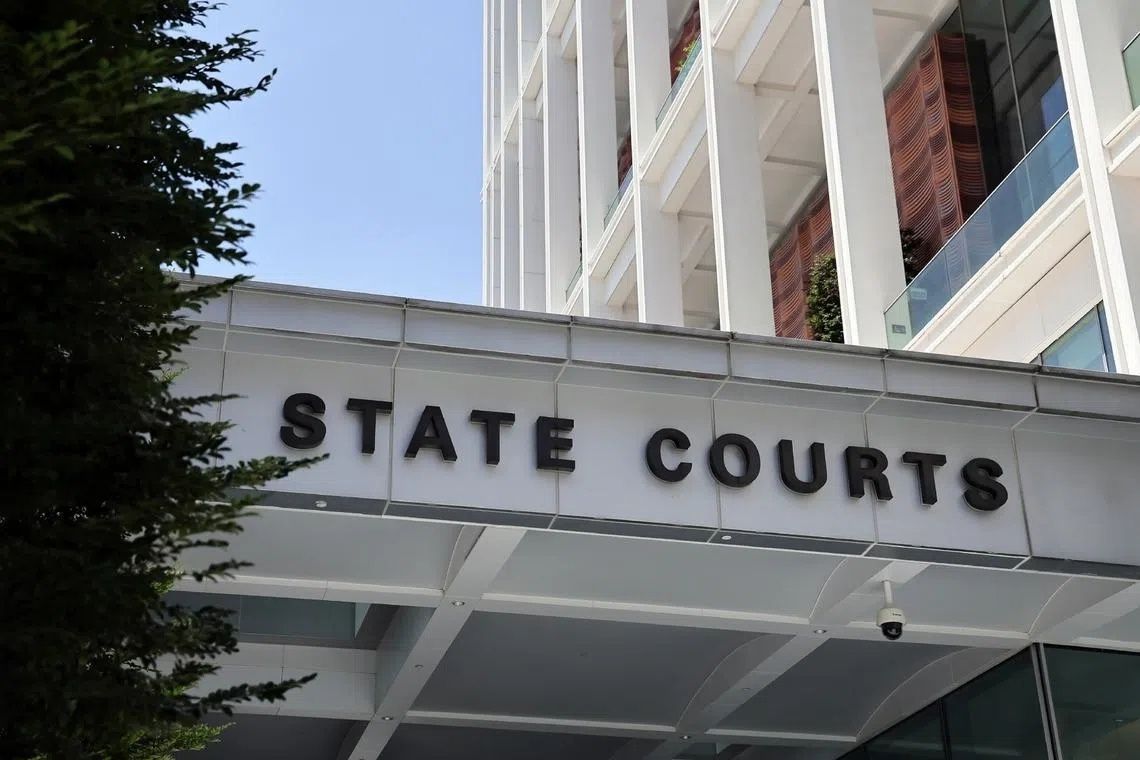
A 31-year-old Singaporean man who was hired to teach primary school mathematics and English at a private educational facility has pleaded guilty to multiple counts of child abuse following a pattern of horrific mistreatment that left one young pupil requiring intensive care treatment. The man, whose identity is protected by court order due to the involvement of minors, admitted on Thursday to two counts of child abuse, one count of voluntarily causing grievous hurt, and one count of submitting false information to the Ministry of Manpower. His sentencing has been scheduled for August 21.
The facility in question was operated by the man's aunt and offered residential accommodation for students and migrant workers alongside management consultancy services for international pupils. Despite lacking any formal qualifications in childcare or teaching, he was appointed to a managerial position in 2016 with responsibilities encompassing student supervision, primary school instruction, and homework oversight. This employment arrangement highlights a significant gap in Singapore's regulatory framework for private educational institutions and raises serious questions about screening procedures for individuals working with children in such facilities.
The most severe abuse documented occurred against a six-year-old Chinese national student who had entered the facility in January 2023. Over an extended period, this child endured regular physical punishment including beatings with a clothes hanger, forced extended push-up positions, restricted food intake limited to bread and water, and confinement to sleeping in toilet facilities. The abuser exploited the child's hunger and vulnerability, at one point forcing him to urinate into a basin and then consuming his own urine when thirsty—a form of psychological torture compounded by physical exhaustion.
On March 9, 2023, the abuse escalated dramatically during what was presented as an English study session. The six-year-old was forced to maintain a push-up position beginning at 3:45 in the afternoon, continuing through the evening while other students ate their meals. Throughout the night, the perpetrator punched and stomped on the child despite his compromised physical state. Between 2 and 7 in the morning, additional weight was applied by placing a chair across the child's back while he maintained the position. This marathon abuse session lasted approximately eighteen hours, during which the man prevented his aunt from seeking medical attention for the deteriorating child.
When the child's medical condition became critical, the man's aunt finally overrode his objections and brought the boy to hospital on March 14, 2023, after he developed severe breathing difficulties. Medical examination revealed catastrophic injuries sustained from the blunt force trauma. The child had suffered a lung injury with fluid accumulation requiring intensive care unit admission, kidney failure necessitating nine days of dialysis treatment, multiple rib fractures, severe muscle breakdown, and dangerous elevation in blood pressure secondary to kidney damage. The boy remained hospitalized until March 28 and was eventually discharged on April 28, 2023, with ongoing recovery needs.
Beyond this most severe case, the perpetrator systematically abused at least two other children at the facility. An 11-year-old student was subjected to a three-hour forced push-up punishment session in January 2023 after making mathematical errors during homework completion on a public holiday. The man repeatedly struck this child with a hanger at least six times for failing to maintain the physically demanding position. In a separate incident on March 1, 2023, a 10-year-old student experienced at least five punches and slaps during a homework session when the man grew angry at incomplete assignments. When the child could not answer a question correctly, the abuse escalated to multiple facial punches that caused bleeding.
The circumstances surrounding the man's employment reveal systemic vulnerabilities in how Singapore's private educational sector operates with minimal oversight. His aunt hired him despite his complete absence of childcare or teaching credentials, suggesting informal recruitment practices and inadequate due diligence. Furthermore, when the man contacted the child's father on March 10 seeking permission to discipline the boy, he deliberately concealed the severe physical punishment already inflicted and the extent of the abuse to follow. The father's approval, given without knowledge of the actual brutality involved, underscores how such arrangements can exploit family communication gaps and parental trust.
For Malaysian readers and the broader Southeast Asian region, this case carries significant implications regarding child protection standards in cross-border educational arrangements. Many families across the region place their children in private facilities in Singapore and other developed nations, relying on assumptions of stricter regulatory oversight. This case demonstrates that private educational facilities can operate with minimal formal qualifications required for teaching and supervisory staff. It highlights the vulnerability of young foreign students who may be isolated from immediate family support systems and dependent entirely on institutional caregivers for protection.
The case also exposes the dangers inherent in informal employment relationships, particularly when family connections are involved. The man's position as his aunt's employee meant that institutional accountability mechanisms were blurred, and the aunt's ability to intervene—while ultimately life-saving—came only after extended periods of severe abuse. Her decision to finally seek medical care demonstrates that even family members can become aware of abuse patterns but may delay intervention due to various personal or institutional pressures.
Regulatory bodies across Southeast Asia should examine this case as a cautionary example of insufficient screening procedures for childcare workers. The complete lack of formal qualifications, background checks, or professional certifications for individuals supervising young children in educational settings represents an unacceptable risk. Several jurisdictions in the region have begun implementing mandatory background screening and professional certification requirements for educational workers, but enforcement and compliance remain inconsistent.
The physical and psychological trauma inflicted on the six-year-old victim—involving prolonged physical torture, deprivation of food and basic dignity, and psychological humiliation—represents child abuse in its most severe forms. The medical consequences documented in his case, including organ failure and skeletal injuries, testify to the intensity of the violence inflicted. His recovery will likely extend far beyond the period of hospitalization, involving ongoing medical monitoring and significant psychological support to address trauma.
As Singapore proceeds to sentencing, the case will inform discussions about appropriate penalties for systematic child abuse in care settings, the adequacy of existing child protection legislation, and necessary reforms to licensing and oversight of private educational institutions. For families in Malaysia and throughout the region seeking educational opportunities abroad for their children, this case underscores the critical importance of thorough vetting of institutions, verification of staff qualifications, and establishment of robust communication channels for monitoring their children's wellbeing.

