Tourism authorities in Singapore have partnered with ride-hailing platform Grab to introduce a new incentive programme designed to draw international visitors to lesser-known precincts across the city-state. Unveiled on August 11, the initiative grants tourists who register for a Grab Travel Pass two complimentary vouchers during the three-month campaign running through October, aligning with the island's peak tourism season and marquee events.
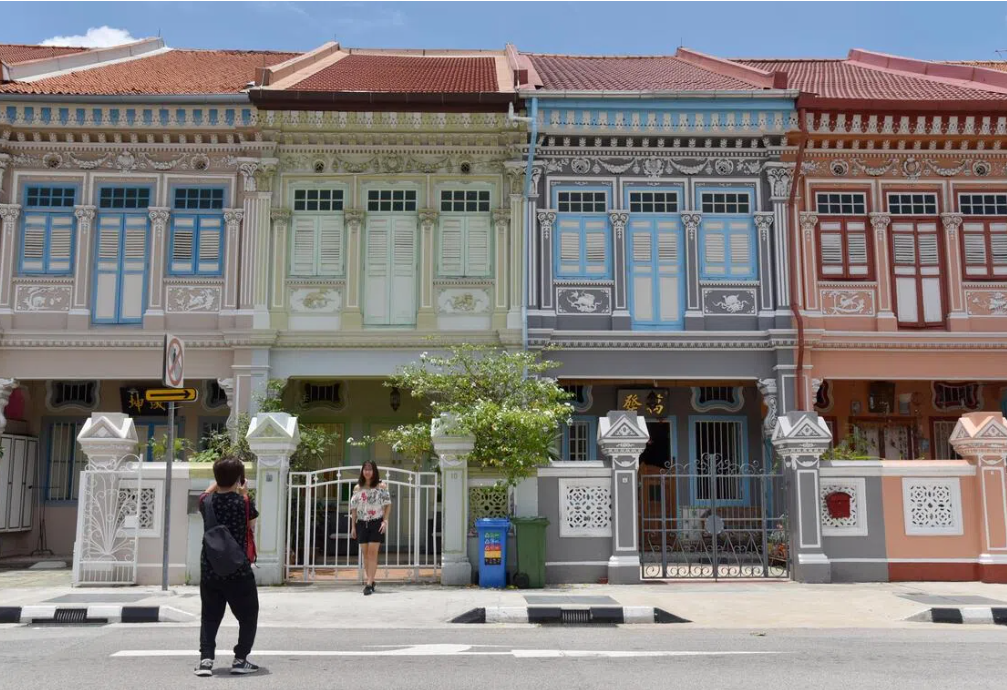
The promotional vouchers unlock discounts on journeys to geographically and culturally distinct neighbourhoods. The first voucher grants a one-time 20 per cent reduction on Grab rides to and from four distinct areas: Katong-Joo Chiat, renowned for its heritage shophouses and multicultural heritage; Tiong Baru, a revitalised enclave with contemporary cafes and artisanal retail; Mandai, home to major attractions including wildlife parks; and Sentosa, the island resort destination. Each voucher is capped at two separate uses per traveller.
The second voucher specifically targets evening and night-time exploration, acknowledging the growing market for after-dark urban experiences. This offering provides a singular 20 per cent discount applicable between 7pm and 4am on any Grab journey terminating at four nightlife destinations: Holland Village, a bohemian hub popular with expatriates; Clarke Quay, a riverside dining and entertainment precinct; Boat Quay, the historic waterfront district; and Robertson Quay, another vibrant evening venue. This temporal specificity recognises that curated nocturnal experiences represent an increasingly important travel motivator for younger demographics.
The voucher programme operates within the broader Singapore Grab Travel Pass framework, a comprehensive discount package bundling transport, dining, and activity-related savings across the city's tourism ecosystem. Visitors arriving in Singapore can access and purchase the travel pass directly through the Grab application, streamlining the redemption process and reducing friction for international users unfamiliar with local payment systems. This structural integration ensures the campaign reaches digitally-engaged travellers who are already reliant on ride-hailing services for urban mobility.
The three-month timing strategically coincides with Singapore's most significant tourism moments. The campaign runs concurrent with the Singapore Grand Prix from October 2 to 11, an event attracting hundreds of thousands of international motorsport enthusiasts and high-value travellers. Additionally, the Singapore River Festival, scheduled for September 11 to 20, provides cultural programming that complements the transport and leisure incentives, creating a comprehensive tourism narrative centred on neighbourhood discovery and experiential engagement.
Grab Singapore's managing director Alejandro Osorio framed the initiative as facilitating authentic neighbourhood-by-neighbourhood exploration, emphasising that each precinct offers distinct value propositions. This positioning reflects an intentional pivot from conventional tourism marketing toward emphasising experiential authenticity and local immersion—themes that resonate strongly with millennial and Generation Z travellers who increasingly prioritise meaningful cultural engagement over standardised attractions. By commodifying proximity to diverse neighbourhoods through discounted transport, the campaign essentially democratises access to areas that might otherwise receive limited foot traffic from short-term visitors.
The Singapore Tourism Board's executive director for South-East Asia, Terrence Voon, highlighted the partnership's regional significance, noting that Grab's extensive presence across Southeast Asia facilitates targeted outreach in key source markets. This emphasis on Grab's geographical reach underscores a deliberate regional marketing strategy focused on lower-cost, high-growth tourism economies including Indonesia, Thailand, Vietnam, and China. For Malaysian tourism stakeholders, this signals Singapore's sophisticated approach to regional market segmentation and its willingness to deploy platform partnerships to capture adjacent demand.
Promotional execution relies substantially on digital advertising targeted at planning-phase travellers across key Southeast Asian markets. This methodology prioritises conversion at the consideration stage, when prospective visitors are actively researching destinations and comparing value propositions. By positioning Grab's integrated transport and discount infrastructure as a Singapore-specific advantage, the campaign implicitly argues that the combination of convenient urban mobility and precinct-specific savings creates material cost advantages relative to alternative regional destinations.
This campaign augments the Singapore Tourism Board's broader "We don't wait for fun" initiative launched in February, which specifically targets affluent younger travellers aged 25 to 39 across nine markets. That campaign emphasises hidden gems including New Bahru and Joo Chiat—the same neighbourhoods featured in the Grab voucher programme—demonstrating integrated messaging across promotional channels. The reinforcement of these same precincts across multiple campaigns suggests a deliberate repositioning of Singapore's tourism narrative away from iconic attractions toward curated, locally-rooted experiences.
Singapore's tourism sector is performing exceptionally, having generated $32.8 billion in receipts during 2025, an all-time record. International visitor arrivals totalled 16.9 million last year, representing growth from 16.5 million arrivals in 2024 and demonstrating sustained demand momentum. The Singapore Tourism Board projects that 2026 will deliver between 17 and 18 million international arrivals, generating tourism spending between $31 and $32.5 billion—conservative projections given current trajectory but reflecting inherent economic and operational constraints.
These projections are supported by substantial government investment, with Minister-in-charge of Trade Relations Grace Fu announcing in May that Singapore would allocate $740 million toward tourism infrastructure and development projects over the ensuing five-year period. This capital deployment signals long-term governmental commitment to maintaining Singapore's position as Southeast Asia's premium destination, particularly as regional competitors including Thailand, Vietnam, and Indonesia intensify their own tourism marketing. For Malaysia, which competes directly with Singapore for regional tourism market share, these developments underscore the competitive intensity of intra-regional tourism economics and the necessity of sophisticated, platform-enabled marketing strategies.

