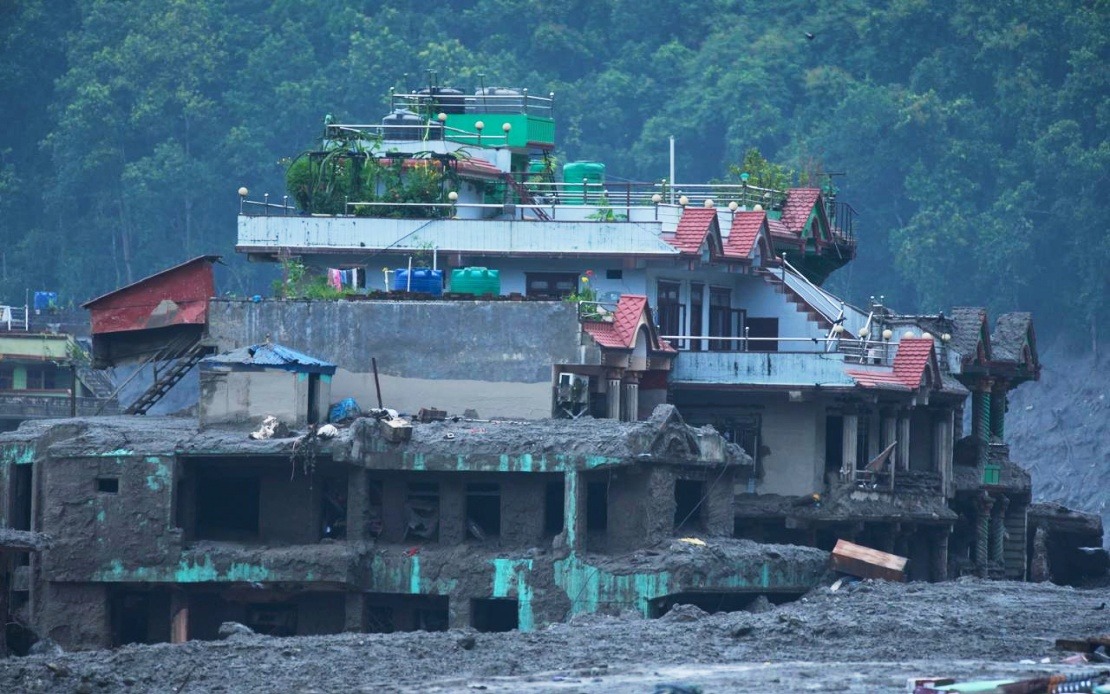
Deadly flash floods that tore through the Nepal-China border region have prompted Singapore's government to activate its diplomatic machinery and consular support systems on multiple fronts. Prime Minister Lawrence Wong confirmed on Thursday that the Ministry of Foreign Affairs is maintaining close coordination with authorities in both Nepal and China to identify and assist affected Singaporeans, with particular concern centring on two citizens believed to be among a larger group of 47 trekkers unaccounted for after the disaster struck northern Nepal.
The missing hikers represent a multinational contingent that included participants from Australia, Nepal, the United Kingdom, the United States and Russia, according to Sagar Pandey, founder and chief executive of Himalayan Glacier Adventures, which had organised the expedition. The composition of the group underscores the popularity of high-altitude trekking in Nepal's remote mountain regions, which continue to attract thousands of international adventurers annually despite inherent environmental risks.
Wong's public statement reflected the emotional toll of the tragedy while emphasising Singapore's commitment to its citizens abroad. In remarks posted to social media, he acknowledged the broader humanitarian crisis affecting Nepal and China, expressing solidarity with both nations as rescue and recovery operations intensified. The Prime Minister extended formal condolences to families who had lost relatives and to all those impacted by the flooding, framing the disaster within a broader regional context of natural disaster assistance and mutual aid.
The Ministry of Foreign Affairs has simultaneously launched a two-pronged response involving direct engagement with diplomatic counterparts and practical guidance for Singaporeans remaining in Nepal. Consular officials are maintaining active communication with next-of-kin of the missing individuals, a critical function that provides families with regular updates whilst gathering information that may assist search and rescue operations. This direct family liaison represents standard diplomatic practice but carries heightened importance when citizens are missing in remote locations with limited communication infrastructure.
To protect its nationals from further harm, Singapore's foreign ministry has issued a comprehensive advisory warning all Singaporeans in Nepal to exercise heightened vigilance and maintain strict adherence to local authority directives. The guidance specifically identifies five flood-affected districts—Rasuwa, Nuwakot, Dhading, Gorkha and Chitwan—which citizens should avoid entirely until conditions normalise. These districts span central Nepal's mountainous terrain, areas where flash flooding poses recurring seasonal hazards during monsoon periods.
The ministry's warning extends beyond geographic avoidance to address specific environmental dangers. Singaporeans are instructed to maintain distance from rivers, riverbanks, bridges and low-lying areas, reflecting the unpredictable nature of flood waters in mountainous terrain where secondary surges can occur long after initial inundation. The advisory acknowledges substantial infrastructure damage that has cascaded across affected regions, noting potential disruptions to road networks, transportation services, telecommunications and essential utilities that residents and visitors depend upon for safety and mobility.
Practical considerations outlined in the advisory emphasise that Singaporeans must verify both road conditions and weather forecasts before attempting any journeys within Nepal. This guidance carries particular weight given that monsoon season—typically stretching from June through September—creates sustained risk of additional rainfall and secondary flooding events. The timing of this disaster during the tail end of the monsoon period means residents face continued vulnerability as weather systems continue to deliver precipitation to already saturated ground.
The incident highlights persistent challenges inherent in adventure tourism within high-risk natural environments. Himalayan trekking routes offer unparalleled scenic and cultural experiences but expose participants to flash flood hazards that can develop with minimal warning, particularly in valleys and gorges where water concentrates and accelerates. Nepal's tourism industry, which depends substantially on international trekking expeditions, faces recurring tension between economic opportunity and public safety imperatives.
For regional observers and travel industry stakeholders across Southeast Asia, this incident reinforces broader lessons about natural disaster preparedness and the responsibilities of both tour operators and host nations. The presence of citizens from multiple countries within the missing group reflects the increasingly globalised nature of adventure travel, creating complex diplomatic and consular coordination challenges when disasters strike. Singapore's methodical diplomatic response—coordinating through multiple channels whilst issuing clear public guidance—offers a model that other regional governments may reference when their citizens face similar emergencies abroad.
The unfolding situation also underscores the vulnerability of expatriate communities and travelling citizens during natural disasters in neighbouring countries. Despite robust diplomatic networks and consular resources, locating missing individuals in mountainous terrain during active flooding presents extraordinary logistical and operational obstacles. Rescue teams must contend not only with environmental hazards but also with difficult terrain that hampers access to stranded trekkers, making coordination between Nepali rescue services and international support crucial to outcome determination.
Singapore's investment in active diplomatic engagement with Nepal and China reflects the strategic importance of maintaining functional consular relationships that enable rapid crisis response when its citizens face emergencies abroad. The quick activation of advisory systems and family communication channels demonstrates institutional preparedness for transnational disasters, though the ultimate resolution of the missing hikers' fates remains dependent upon Nepali rescue operations and evolving weather conditions.

