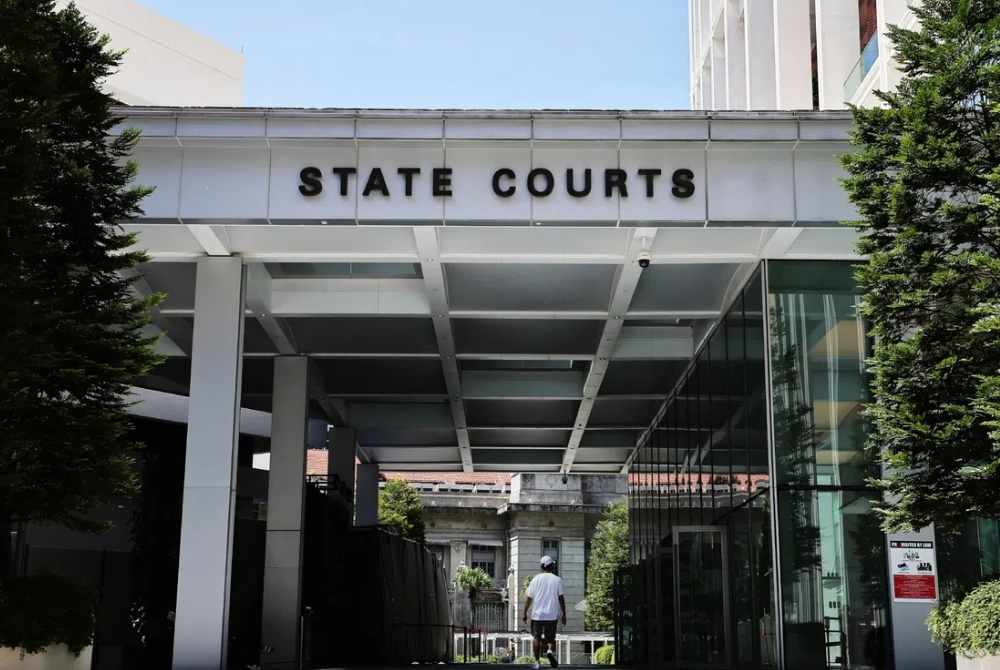
A Singaporean man has received a sentence of nine years and 10 months imprisonment and eight strokes of the cane for inflicting systematic and severe abuse on primary school pupils placed under his supervision at a private educational facility. The conviction, delivered on Friday 21 August, represents one of the more harrowing cases of institutional child abuse to come before Singapore courts, drawing particular attention to the vulnerability of young boarders in private care settings and the catastrophic consequences of unchecked authority over defenceless children.
The offender, a 31-year-old whose identity remains protected by court order, subjected the children—aged between six and eleven at the time of the 2023 offences—to a pattern of physical violence and psychological torment. His assault methods ranged from repeated punching to striking victims with a wire clothes hanger with such force that the implement fractured during the beating. Most disturbingly, he forced a six-year-old boy from China to drink his own urine while subjected to extended stress positions. The accumulated injuries from this abuse proved medically catastrophic: the young victim sustained rib fractures, experienced kidney failure, and required nine days of dialysis treatment to sustain his life.
District Judge John Ng characterised the brutality of the offences as speaking for itself during sentencing. The bench found that the six-year-old victim was struck approximately 600 times and stomped upon his back and buttocks at least 40 times. A particularly egregious incident occurred on 9 March 2023, when the offender compelled the child to maintain a push-up position from 3.45 in the afternoon through the following morning—a period exceeding eighteen hours. During this ordeal, while the child remained in the stress position, the offender punched him at 1.15am and subsequently placed a chair upon him between 2am and 7am, forcing the child's body progressively lower. When the victim required toilet access, the offender forced him to urinate into a basin and compelled him to drink the urine when thirsty.
The case reveals troubling gaps in safeguarding systems within private educational facilities offering residential care. The offender's aunt operated the educational establishment, which provided student accommodation and management consultancy services for foreign students. He was hired as a manager in 2016 despite possessing no teaching qualifications, childcare certifications, or formal training in pastoral duty. His responsibilities encompassed instruction in primary subjects and oversight of homework completion—roles demanding not only competence but integrity toward vulnerable dependents. The facility's apparent lack of rigorous vetting procedures, ongoing supervision, or mandatory reporting mechanisms allowed months of systematic abuse to persist unchecked.
The pattern of abuse intensified throughout March 2023. Following the extended push-up incident, the offender declined to send the child to school on 10 March and continued assaulting him throughout the day with the clothes hanger and bare hands with such force that the hanger shattered mid-beating, yet he persisted using the fractured implement. By evening, the child had become too weak to stand, prompting the offender to carry him to the toilet and spray water over him. Throughout this ordeal, the offender withheld medical attention for three days, deliberately avoiding contact that might alert authorities to his conduct. Only after the child's condition deteriorated beyond concealment was medical intervention sought.
The offender's pattern of disciplinary abuse extended to other aspects of the child's custody. The victim was deprived of adequate nutrition, subsisting on bread and water, and was forced to sleep in the toilet facility rather than normal dormitory accommodation. These deprivations compounded the psychological trauma accompanying the physical violence. On one occasion, the offender telephoned the child's father to seek permission for further discipline without disclosing the physical abuse already inflicted or specifying the methods he intended. The father, unaware of the systematic violence, granted permission—a situation exploited to provide false legitimacy to continued assault.
During sentencing, the defence argued that the offender himself had experienced childhood trauma, including an alcoholic father and an older sibling involved in organised crime who inflicted physical abuse during his youth. Judge Ng, however, firmly rejected this as mitigation. The judge observed that, having suffered abuse as a child, the offender occupied a position uniquely suited to breaking the cycle of violence rather than perpetuating it against vulnerable children who had been entrusted to his care and protection. The court's reasoning underscores a significant principle in sentencing jurisprudence: childhood victimisation, while relevant to understanding an offender's genesis, cannot excuse the deliberate infliction of cruelty upon children dependent on one's guardianship.
The Deputy Public Prosecutors, Timotheus Koh and Cheronne Lim, characterised the offences as a profound betrayal of trust. The prosecution emphasised that the offender had been placed in a position of authority specifically to safeguard the children's wellbeing and development. Instead, he weaponised that trust to subject them to sustained violence, mocking them, depriving them of food and dignity, and deliberately obscuring the extent of injuries from medical professionals. The prosecutors highlighted that the six-year-old victim's injuries constituted life-threatening conditions stemming directly from the deliberate withholding of medical care—elevating the severity of the crimes beyond simple physical assault to encompass recklessness with potentially fatal consequences.
The offender pleaded guilty on 9 July to charges encompassing child abuse, voluntarily causing grievous hurt, and providing false or misleading information to Singapore's Ministry of Manpower. The guilty pleas streamlined proceedings and indicated a degree of acceptance of culpability, though this weighed minimally against the systematic nature and severity of the harm inflicted. During sentencing, the offender maintained a submissive posture, keeping his head lowered throughout the proceedings and occasionally regarding family members present in court, suggesting awareness of the gravity of the verdict.
This case carries significance for Malaysia and the broader Southeast Asian region, where similar private educational facilities and residential programmes operate with varying regulatory oversight. The abuse of foreign students—particularly those separated from family networks and unfamiliar with local institutional reporting procedures—represents a vulnerability gap across the region. The sentence reinforces that individuals entrusted with children's care who breach that trust through systematic abuse face severe criminal consequences, yet it simultaneously highlights the need for stronger preventative systems including mandatory background checks, regular safeguarding audits, and accessible reporting mechanisms independent of institutional management.
The judgement also underscores evolving judicial recognition of psychological and institutional trauma accompanying physical abuse. Modern sentencing approaches no longer view injuries in isolation but consider the compounded effects of deprivation, humiliation, intimidation, and betrayal of trust. For Malaysian policymakers, the case suggests urgent need to examine regulatory frameworks governing private educational facilities offering residential services, particularly regarding vetting of personnel and monitoring mechanisms to prevent replication of such systematic abuse within local contexts.

