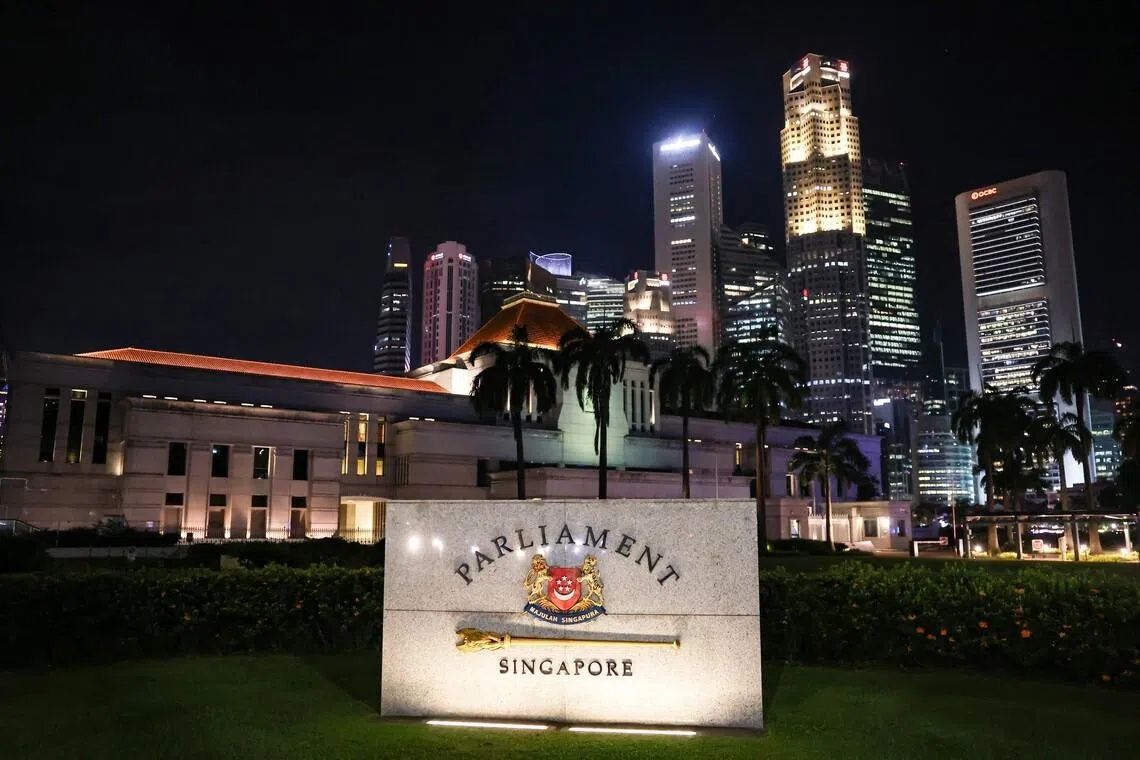
Singapore authorities have charged a 40-year-old man with making false bomb threats targeting two high-profile government premises, including Parliament House, in what police say represents a serious misuse of emergency resources. The suspect was arrested on July 7 after making the second threat, with both incidents occurring within a four-day window that triggered extensive security responses at sensitive locations.
The first incident unfolded when the Home Team Science and Technology Agency, based at One North, received an alarming online form submission on July 3 claiming an explosive device had been planted inside the building. The notification prompted immediate police action and security protocols as officials scrambled to verify the threat and secure the premises. Four days later, the situation escalated when authorities received an anonymous email directed at the Prime Minister's Office alleging that a bomb had been placed at Parliament House, the seat of Singapore's legislature.
Police conducted comprehensive searches of both locations following standard threat-assessment procedures. Officers systematically swept the buildings and surrounding areas, examining every potential risk zone to ensure public and staff safety. Despite the thoroughness of these searches, no suspicious items or devices were discovered at either venue, confirming the threats were without substance.
Investigators from the Criminal Investigation Department and Central Police Division worked to establish connections between the incidents. Their analysis determined that both hoax threats originated from the same individual, suggesting a pattern of deliberate disruption rather than isolated incidents. The breakthrough came quickly enough that police apprehended the suspect on the same day as the second threat, preventing any further incidents.
During the arrest and subsequent searches, officers seized several electronic devices from the man's possession that are believed to have been instrumental in executing the threats. These devices will likely serve as crucial evidence in establishing his involvement and methodology in crafting and transmitting the false alarms through different communication channels.
The suspect will be formally charged with communicating false information concerning a harmful thing, a provision designed to combat hoax threats that endanger public safety. This offense carries substantial legal consequences reflecting the serious nature of such deceptions. Conviction could result in imprisonment of up to seven years, monetary penalties reaching S$50,000, or a combination of both sanctions.
The ramifications of such false threats extend far beyond the immediate panic they generate. Singapore's police force emphasized that hoax bomb alerts create unnecessary public anxiety among citizens and disrupt the normal functioning of government operations. More critically, emergency response resources—including specially trained bomb disposal units, tactical personnel, and investigative teams—must be diverted from genuine security concerns to address these fabrications.
This incident reflects a broader regional concern about the misuse of emergency reporting systems and false threats targeting critical infrastructure. In Southeast Asia, where terrorism and security remain significant policy concerns, authorities across multiple nations have intensified efforts to deter individuals from making fraudulent threats. The consequences of such actions ripple through government operations and divert attention from legitimate security matters that require urgent attention.
The timing of these threats in early July coincided with a period when Singapore's government buildings typically experience heightened security measures and increased visitor traffic. Parliament House, particularly, serves as a symbol of national governance and attracts both domestic and international attention. Threats targeting such premises trigger automatic escalation protocols that mobilize significant personnel and technical resources.
Singapore's swift police response and arrest demonstrate the effectiveness of modern forensic techniques in tracing digital communications. The ability to link the two separate threats through electronic signatures and trace them to a single perpetrator within days underscores how technological sophistication works both for those attempting to exploit systems and for authorities seeking to maintain security.
The severity of the charges reflects Singapore's zero-tolerance approach toward threats against government institutions and national infrastructure. By imposing substantial penalties, authorities aim to deter would-be perpetrators from following similar paths. The case also serves as a cautionary reminder to the public about the criminal liability attached to hoax threats, regardless of intent or perceived motivation.

