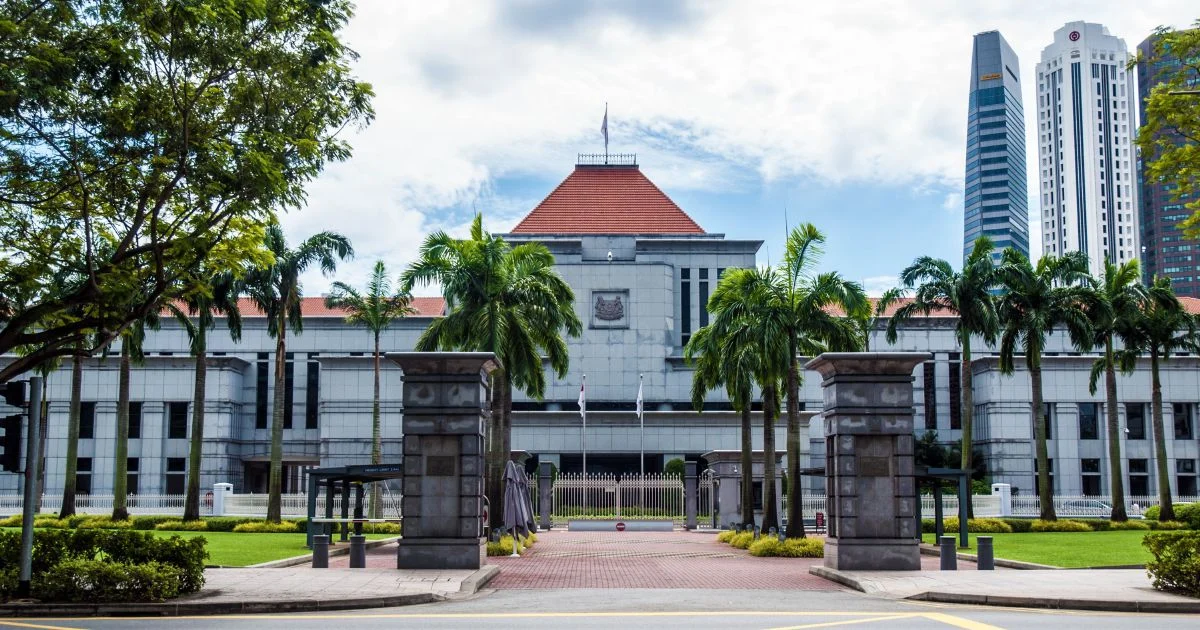
Singapore police have arrested a 40-year-old man suspected of orchestrating two separate bomb threats aimed at critical government buildings, the authorities revealed in a statement. The incidents targeted Parliament House and the Home Team Science and Technology Agency (HTX) office, both prominent institutions within the city-state's administrative structure. The arrest underscores ongoing vigilance by security agencies in response to potential threats directed at sensitive government installations.
The investigation into these anonymous threats reflects the seriousness with which Singapore's law enforcement treats any communications suggesting violence or harm to public facilities. Such incidents, though occasionally reported across developed nations, require swift action and extensive investigative resources to ascertain credibility and locate those responsible. The police's rapid identification and apprehension of the suspect demonstrates the effectiveness of existing security monitoring and intelligence-gathering protocols within the island nation.
Bomb threats targeting government buildings carry significant weight in Singapore's legal framework, where national security remains a paramount concern. The authorities maintain strict protocols for handling such communications, including threat assessment, evacuation procedures where necessary, and thorough investigation by specialist units. For Malaysian readers, Singapore's approach to such incidents illustrates how developed city-states manage security risks in densely populated urban environments where disruption to critical infrastructure can have cascading economic and social consequences.
The Home Team Science and Technology Agency, which houses advanced research and development facilities supporting Singapore's internal security apparatus, represents a key target that would warrant heightened protective measures. Any credible threat against such installations triggers comprehensive responses involving multiple government agencies and emergency services. The fact that both Parliament House and HTX were targeted in separate incidents suggests either a coordinated campaign or distinct but related security concerns that warranted unified investigative attention.
Parliament House, as the seat of Singapore's legislative authority, represents a symbol of governmental authority and democratic institutions. Threats against such establishments carry particular weight as they target not merely buildings but the systems of governance they represent. The targeting of both locations within a timeframe suggesting possible coordination indicates the police focused investigation efforts on identifying patterns and connecting the incidents through technical analysis, witness testimonies, or digital forensics.
Anonymous threats present particular investigative challenges, requiring law enforcement to trace communications through various channels while preserving evidence integrity. Modern policing increasingly relies on digital forensics, metadata analysis, and telecommunications records to identify individuals behind anonymous communications. The ability of Singapore police to move from threat identification to a specific arrest suggests sophisticated investigative capabilities and possibly corroborating evidence beyond the initial threats themselves.
For the broader Southeast Asian context, such incidents remind regional governments of emerging security challenges in an increasingly connected world. Threats can originate from diverse motivations ranging from personal grievances to ideological opposition or attention-seeking behaviour. Singapore's security apparatus has historically demonstrated capability in distinguishing credible threats from hoaxes, an important distinction given the resource implications of full security responses to every reported incident.
The arrest of the 40-year-old suspect reflects how intelligence and law enforcement coordination can operate effectively within Singapore's relatively concentrated geographic and administrative structure. Unlike larger nations where jurisdictional complexities can slow investigations, Singapore's compact size and centralized administration allow for rapid response and investigation of security incidents. This operational advantage partially explains the swift apprehension following the threats.
Malaysian authorities and those across the region can draw lessons from how Singapore responds to such incidents. The coordination between police units, the rapid investigation protocols, and the apparent success in identifying and apprehending suspects demonstrates best practices in threat management. For Malaysian citizens and businesses with interests in Singapore, such incidents reinforce the importance of the island-state's security infrastructure in maintaining stability essential for regional economic activity and investment confidence.
Government buildings across Southeast Asia routinely face various security challenges, from conventional threats to emerging digital-era risks. Singapore's proactive stance in investigating and prosecuting those responsible for bomb threats sends a deterrent message that such actions will trigger serious investigative responses and legal consequences. The case demonstrates how national security agencies must balance public safety imperatives with investigation effectiveness, ensuring threats are assessed properly while preventing disruption from false alarms.
The investigation into the two bomb threats also highlights how interconnected security concerns have become across government agencies. HTX's involvement in technological advancement for security applications means any threat against it carries implications beyond the immediate physical safety of personnel. The police's handling of both cases concurrently suggests integrated investigation approaches that recognize how threats against different institutions may share common origins or perpetrators.
Looking forward, this incident will likely inform ongoing discussions within Singapore about security measures for critical government facilities and appropriate public communication protocols when threats emerge. The successful identification of the suspect may also provide valuable intelligence for understanding the motivations and methods used in contemporary threat-making, contributing to improved threat assessment capabilities across the security apparatus.
The arrest concludes one phase of the investigation, though prosecution and any subsequent legal proceedings will follow. The case demonstrates that in an era of advanced surveillance and digital communications analysis, anonymity provides limited protection for those making threats against government institutions. For regional observers, the incident reinforces Singapore's commitment to maintaining security standards that protect both its institutions and the broader climate of stability upon which the region's prosperity depends.

