A 55-year-old Singapore resident has admitted to sexually assaulting a 71-year-old widow suffering from severe dementia in a case that underscores the vulnerability of elderly individuals living alone with cognitive impairment. Mohamad Zakir Jaafar entered guilty pleas on July 7 to two counts of rape and one count of outrage of modesty, with six additional charges—including three more sexual offences and three relating to weapons possession—to be considered during sentencing hearings.
The sustained pattern of exploitation unfolded between June 2022 and January 2023, spanning approximately seven months during which the victim was repeatedly targeted in her own home. Prosecutors established that the victim had been formally diagnosed with dementia in February 2019, and by January 2023, cognitive assessments indicated she scored zero on a standard evaluation, reflecting the profound severity of her condition. Medical and psychiatric evaluations concluded that the woman lacked the mental capacity to consent to any sexual activity, with her dementia causing significant impairment in decision-making ability, safety awareness, and judgment—factors that would prove central to understanding Zakir's calculated predation.
The circumstances surrounding how Zakir gained access to the victim reveal a deliberate process of identifying and grooming an isolated target. In June 2022, Zakir's own wife encountered the confused woman wandering lost near their neighbourhood and, after checking her identity card, escorted her home. The wife subsequently informed her husband that she suspected the elderly woman was senile. Approximately one week later, Zakir himself encountered the same disoriented woman near a shopping mall in the vicinity and offered to walk her back to her residence. During this initial interaction, the victim disclosed that she lived alone and received occasional visits from her adult sons—information that Zakir would later exploit to his advantage.
Zakir made at least five separate visits to the victim's flat, predominantly arriving late at night after completing work shifts. During these visits, he employed a deliberate grooming tactic of showing the victim pornographic material before proceeding to molest her and coerce her into performing oral sex. Zakir's own admissions to investigators revealed the calculated nature of his crimes: he explicitly acknowledged that he believed the victim's severe mental impairment meant she would be unable or unwilling to report his actions to anyone, effectively rendering her a silent victim.
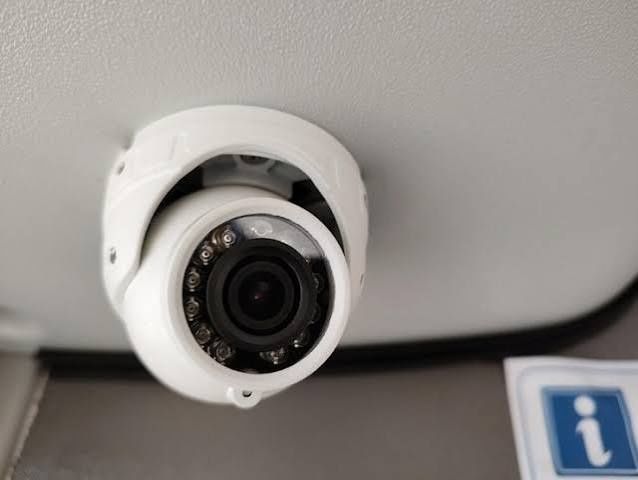
The final assault on January 3, 2023, proved to be the turning point that exposed his crimes. On that date, the victim's sons had installed closed-circuit television cameras in the living room—a decision that would preserve evidence of Zakir's presence and actions within their mother's home. When the younger son reviewed the recorded footage, he encountered video evidence of Zakir entering the flat and sexually assaulting his mother. He immediately contacted his older brother, and together they filed a police report the same day. Zakir was apprehended by authorities on the day of the discovery.
The case represents a troubling intersection of elder vulnerability, cognitive decline, and deliberate criminal exploitation. The victim's isolation—living independently despite her cognitive condition, with sons visiting only sporadically—created a dangerous gap that a predator was able to identify and manipulate. Her inability to articulate what was happening or seek help, combined with Zakir's calculated selection of nighttime visits, reflects a methodical approach to avoiding detection that undermines any defence claim of opportunistic behaviour.
Prosecution arguments, presented by Deputy Public Prosecutor James Chew, characterized the case as exceptionally grave. Chew emphasized that the victim represented a highly vulnerable population—an isolated elderly widow living alone with severe dementia—who deserved legal protection and societal safeguarding. He described Zakir's actions as abhorrent and the exploitation as egregious, framing the crime as a profound violation of trust and human dignity.
The defence counsel, Pang Khin Wee, attempted to challenge the prosecution's characterization of Zakir's nocturnal visits as deliberate concealment tactics, arguing instead that Zakir simply visited after his work hours concluded naturally. This distinction holds minimal weight given the totality of evidence regarding Zakir's awareness of the victim's condition and his explicit acknowledgment that he believed she would not report his actions.
For Malaysian readers, this case carries significant relevance given the growing demographic reality of an ageing population across Southeast Asia and increasing prevalence of dementia diagnoses. The case illustrates systemic gaps in elder protection, particularly for isolated seniors with cognitive impairment who lack intensive supervision or community oversight. The success of the investigation through CCTV evidence also highlights the growing role of technology in uncovering crimes against vulnerable persons who cannot advocate for themselves.
The sentencing phase, scheduled for a later date, will determine the severity of consequences Zakir faces. His additional charges—including possession of a knuckle duster and plastic replica handgun—suggest a broader pattern of concerning behaviour beyond the sexual offences. The court's eventual sentence may set precedent for how Singapore's justice system penalizes crimes against dementia patients and other cognitively impaired elderly persons, with implications for victim protection frameworks across the region.
This case also underscores the importance of family vigilance and technological safeguards in protecting elderly relatives with cognitive decline. The victim's sons' decision to install CCTV, while reactive rather than preventive, ultimately served the critical function of preserving evidence and halting ongoing abuse. For families managing care of elderly relatives with dementia, particularly those living independently, such measures may become increasingly standard protective tools.

