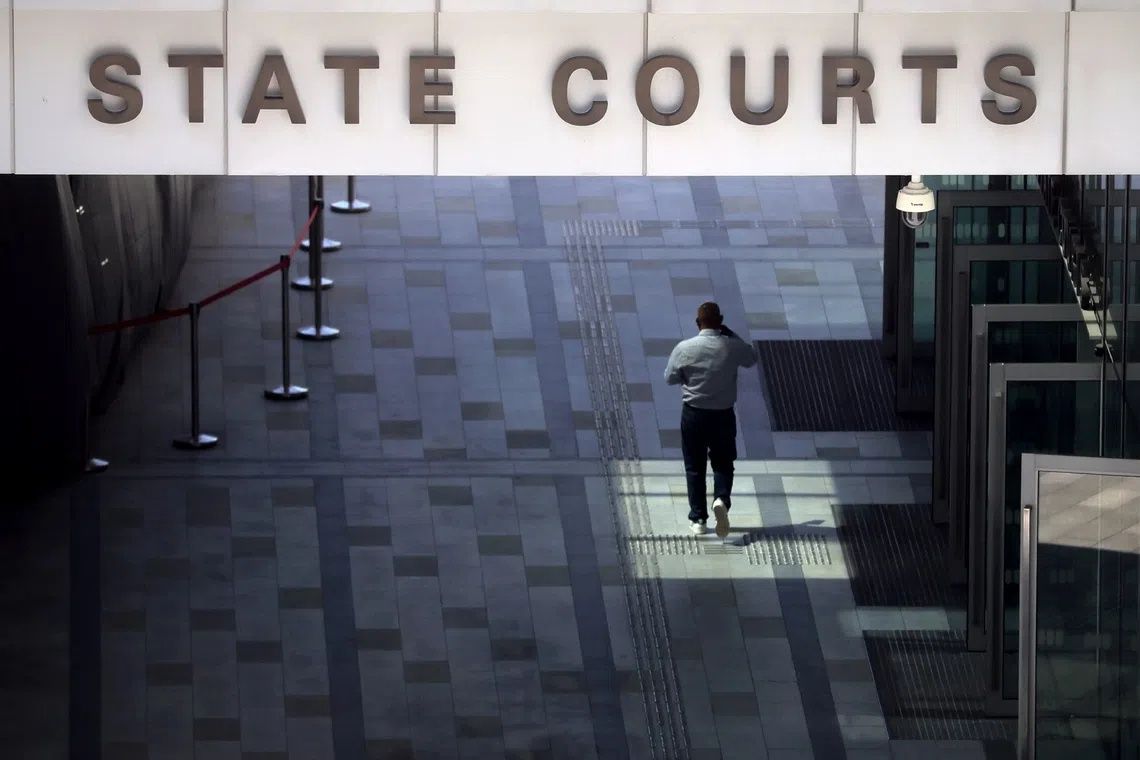
Singapore's courts have charged a 40-year-old man with two counts of ill-treating a child following allegations of serious abuse involving his two young children. The case, which came before the courts on Thursday, August 6, involves incidents spanning nearly a month and raises fresh concerns about child welfare protection in the city-state. The father cannot be identified due to a court-issued gag order designed to shield the identities of his two children from public exposure, a standard protective measure in Singapore's family law proceedings.
The first alleged incident occurred in the early morning hours of September 8, 2025, at a residential unit on the eighth floor of an HDB block. According to court documents, the father instructed his 10-year-old son to remove his clothing entirely and then travel alone via lift to the ground floor of the building. The circumstances surrounding this alleged command remain unclear, with court papers offering no explanation for the father's conduct or whether the child actually complied with the instruction. The nature of such an order—forcing a naked child to descend through a residential building—raises troubling questions about the father's mental state and intent during the incident.
Less than a month later, on October 3, 2025, the father allegedly engaged in a separate act of violence against his eight-year-old daughter. The incident took place at Changi Airport Terminal 3, one of Singapore's busiest transportation hubs, at approximately 5.45pm in the evening. Prosecution documents allege that the father slapped, punched, and pushed the young girl, inflicting visible injuries to her face and neck. The public nature of this alleged assault—occurring in a major airport terminal frequented by thousands of travellers daily—suggests the father acted without apparent concern for public scrutiny or the embarrassment such behaviour might cause his child.
The charges filed represent serious criminal allegations under Singapore's child protection framework. The two counts of ill-treatment of a child carry significant legal weight in the jurisdiction, where courts and child protective agencies take such matters with utmost gravity. Unlike some jurisdictions that distinguish between categories of abuse, Singapore's legal system treats deliberate harm to minors, whether physical or psychological in nature, as criminal conduct warranting court intervention. The prosecution's decision to proceed with formal charges indicates that authorities believed sufficient evidence existed to proceed beyond the initial investigation phase.
What remains particularly striking about these allegations is the apparent disconnect from any stated motivation or context. Court documents made available to media outlets contain no explanation for why the father allegedly committed these acts, whether they resulted from a specific family dispute, mental health crisis, loss of temper, or other triggering factors. This absence of disclosed reasoning deepens the enigma surrounding the case and may suggest that investigators and prosecutors are still building their understanding of events. For Malaysian observers, the case underscores how quickly situations can escalate within family units and how parental authority, when unchecked and unstable, can transform into child endangerment.
The visibility of this case through Singapore's court system reflects the broader regional conversation about child protection mechanisms. While Singapore maintains stringent laws and enforcement procedures, the emergence of such cases indicates that institutional safeguards, though present, cannot prevent all instances of abuse. For Southeast Asian nations including Malaysia, the case serves as a reminder of the ongoing challenge of protecting vulnerable children, particularly in situations where abuse occurs within the privacy of the home or through seemingly isolated incidents that might otherwise escape detection. The airport incident, being public, likely enabled witnesses to alert authorities; a purely domestic occurrence might have remained hidden longer.
The legal proceedings will continue with the case being mentioned again on August 13, allowing the judicial system additional time for further investigation, potential plea negotiations, or other procedural developments. In the interim, the children remain the central concern of Singapore's child protection authorities and the courts. The gag order protecting their identities serves multiple purposes: it prevents media sensationalisation of their trauma, discourages public identification and potential further harassment, and allows them to process their experiences away from public scrutiny as they navigate the fallout from their father's alleged actions.
The case also highlights how child abuse can manifest across different contexts and modalities. The first allegation involves what appears to be a form of psychological or public humiliation, while the second involves direct physical violence. Both represent violations of the child's bodily autonomy, safety, and dignity. For Southeast Asian societies grappling with evolving standards of parental discipline and child rights, distinguishing between culturally-accepted forms of correction and actual abuse remains an ongoing tension. Singapore's legal approach—treating both incidents as criminal matters rather than family matters to be resolved privately—reflects a particular jurisdiction's commitment to absolute protection of minors regardless of familial relationships.
The implications for Malaysian readers extend beyond legal procedures. As a regional hub with close ties to Singapore and similar legal traditions, Malaysia's approaches to child protection often reflect parallel concerns and methodologies. Cases like this one, when they become public through court processes, serve as catalysts for public education about reporting mechanisms, warning signs of abuse, and the importance of intervention. They also underscore why institutions—schools, healthcare providers, airport staff, and neighbours—must remain vigilant in identifying and reporting suspected child maltreatment, as such vigilance may be the only mechanism that brings hidden abuse to light.

