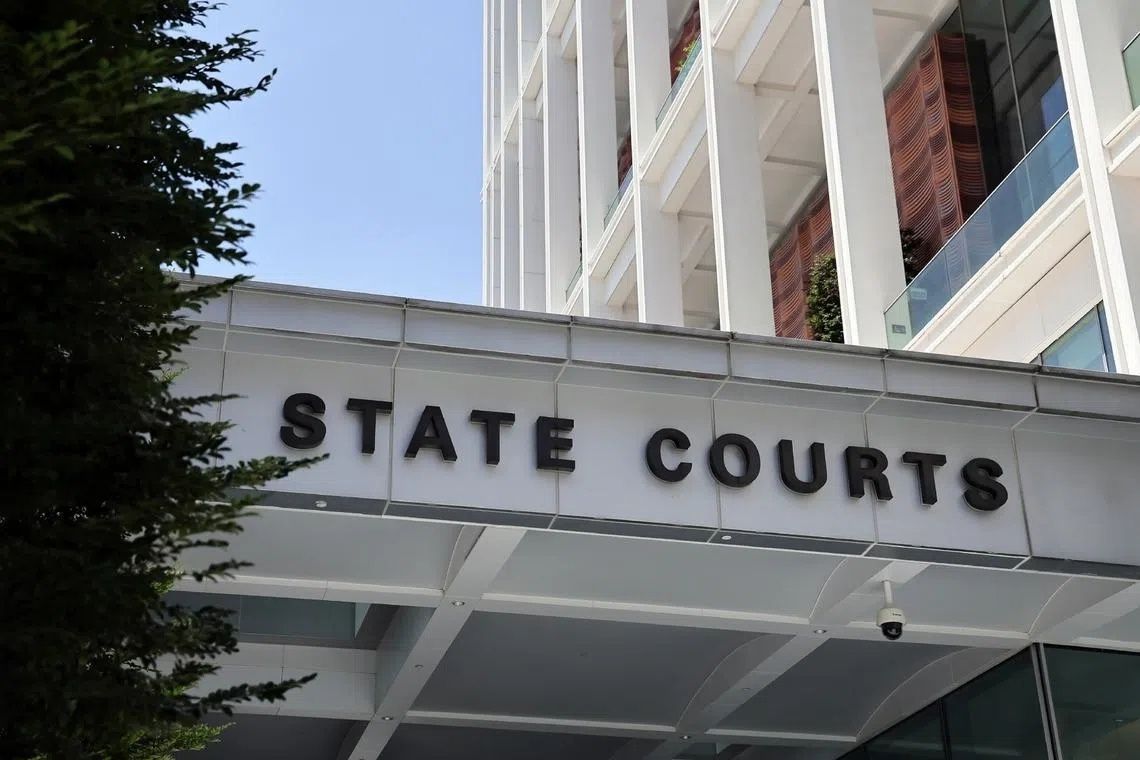
Singapore's courts handed down charges against 41 motorists for drink driving offences in a single day this week, with three cases drawing particular attention after the accused allegedly drifted to sleep while operating their vehicles under the influence of alcohol. The mass prosecution underscores the persistent road safety challenge facing the city-state as authorities intensify enforcement against impaired driving.
Three drivers—Tho Yu Wei Ronald aged 34, Zhong Pengzhi aged 38, and Dharuman Killivalavan aged 29—appeared before a district court on Thursday after being caught abandoning their vehicles in dangerous positions while intoxicated. Beyond the primary charge of drink driving, each faced additional allegations for leaving their cars in ways that inconvenienced other road users. The circumstances surrounding their cases reveal the multifaceted risks posed by alcohol-impaired driving, extending beyond mere collision hazards to include the abandonment of vehicles in traffic flow areas.
Tho's incident occurred late evening on April 30 when his vehicle was discovered parked directly in front of the entrance to a multi-storey carpark located at Block 176 Hougang Street 13 at approximately 11:05 pm. Breath analysis showed his alcohol concentration measured at least 51 micrograms per 100 millilitres, exceeding Singapore's legal threshold of 35 micrograms by nearly 50 percent. This case exemplifies how impaired drivers pose dangers not just through active collision risks but through poor judgment in vehicle placement.
Zhong's violation occurred in the early morning hours of May 9 when his vehicle ended up abandoned in the second lane of a dual-lane stretch along Clementi Avenue 5 at around 1:40 am. His breath sample registered approximately 48 micrograms of alcohol per 100 millilitres of breath. The overnight timing of this incident highlights how drink driving enforcement challenges intensify during late-night hours when alternative transportation options may be less readily available and public vigilance naturally decreases.
Dharumanoperating a lorry along Loyang Avenue on June 15 evening parked the heavy vehicle along the extreme right lane at approximately 7:45 pm. As an Indian national, his case carries additional complexity within Singapore's multicultural context. His breath test revealed the highest alcohol concentration among the three, measuring at least 87 micrograms per 100 millilitres—nearly two and a half times the legal limit. He subsequently pleaded guilty and received a fine of $7,100 along with a 36-month driving disqualification, demonstrating the severity with which Singapore treats repeat or egregious violations.
The broader enforcement action targeting 41 drivers across a 24-hour period involved motorists ranging from 25 to 68 years old, suggesting drink driving crosses all demographic boundaries. Among this cohort, two individuals carried the additional stigma and consequences of prior convictions. Cheng Woon Siong aged 44 represented one such repeat offender, having previously been convicted in December 2019. His current transgression involving a breath alcohol level of at least 52 micrograms resulted not merely in fines but in one month's imprisonment, a $5,500 penalty, and a 60-month driving ban extending five years beyond his release from custody.
Koh Choon Lye aged 48 constituted the second repeat violator, having been convicted of drink driving in 2018. Police intercepted him along Tyrwhitt Road on April 16 during routine checks, revealing a breath alcohol concentration of at least 51 micrograms per 100 millilitres. His prior conviction means enhanced sentencing consequences compared to first-time offenders, reflecting Singapore's progressively harsher approach to recidivism in traffic safety matters.
These prosecutions occur within a broader national context of significant drink driving prevalence. Singapore's Traffic Police reported 1,716 arrests for drink driving during 2025, demonstrating the scale of the enforcement challenge. More troublingly, drink driving-related accidents claimed lives, with 12 fatal collisions attributed to alcohol impairment that year. For Malaysian readers, Singapore's enforcement intensity and sentencing severity provide a cautionary benchmark, as regional drink driving rates remain consistently high across Southeast Asia.
The penalties handed down reflect escalating consequences proportionate to offense severity and prior history. First-time offenders typically face fines ranging from several thousand Singapore dollars to imprisonment, coupled with multi-year driving bans. Repeat offenders encounter substantially magnified consequences, including mandatory custodial sentences, higher financial penalties, and extended disqualification periods. This graduated approach aims to create genuine deterrence through progressively painful consequences rather than relying solely on initial warnings.
Singapore's authorities emphasize that operating a motor vehicle while alcohol-impaired represents not merely a personal choice with individual consequences but fundamentally reckless endangerment of public safety. The police statement characterised such driving as extremely dangerous and irresponsible, targeting messaging at potential offenders. Public education campaigns consistently promote alternative transportation including taxis and private-hire vehicles for individuals planning alcohol consumption, acknowledging that most drink driving incidents involve volitional choices made before intoxication begins.
The phenomenon of drivers falling asleep while intoxicated adds particular concern to Singapore's enforcement discourse, as it represents a compounding hazard merging both impairment and unconsciousness. Alcohol consumption impairs judgment, reflexes, and coordination while simultaneously inducing drowsiness through its depressant effect on the central nervous system. Drivers operating vehicles at reduced cognitive and physical capacity face exponentially elevated crash risks, particularly during long journeys or late-night driving when fatigue naturally accumulates.
For Southeast Asian jurisdictions including Malaysia, Singapore's enforcement patterns and sentencing frameworks offer instructive lessons regarding public safety approaches. While legislative penalties vary across the region, the consistent message emphasizes that modern societies impose severe consequences on alcohol-impaired driving, reflecting both the genuine danger involved and the availability of viable alternatives. The concentration of 41 prosecutions on a single day, rather than representing a statistical anomaly, likely reflects routine enforcement intensity in Singapore's highly regulated environment.
Moving forward, the interplay between deterrence, incapacitation, and rehabilitation remains central to traffic safety policy across Southeast Asia. Singapore's approach prioritises immediate removal of dangerous drivers from roads through licensing sanctions while deploying financial penalties and imprisonment to generate deterrent effects. Whether such intensity successfully reduces drink driving prevalence requires sustained evaluation, though preliminary evidence suggests that societies with stricter enforcement and harsher penalties do experience measurably lower rates of alcohol-impaired driving incidents.

