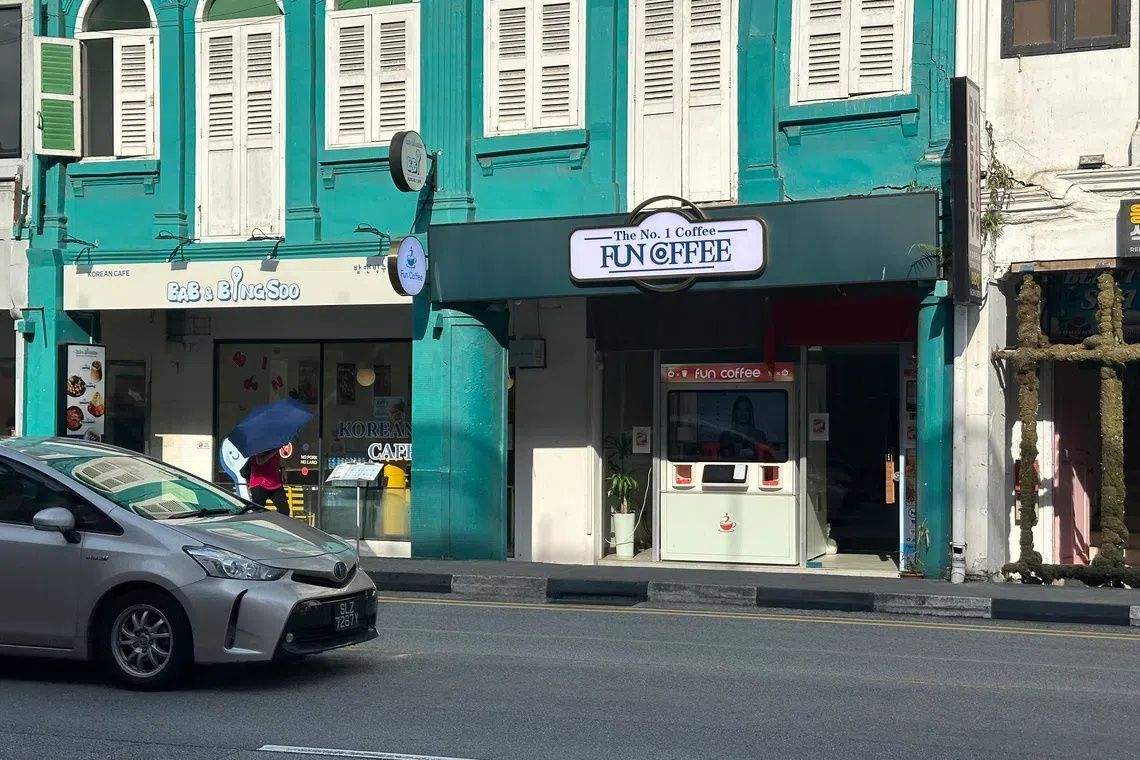
Singapore's police force has arrested a 49-year-old woman on August 6 as part of an escalating investigation into Fun Coffee, an investment platform that has defrauded hundreds of people across multiple jurisdictions with promises of exceptionally high financial returns. The scheme, which operates from a purported base in Phu Quoc, Vietnam, represents a growing threat to Southeast Asian investors increasingly drawn to cryptocurrency-based opportunities with minimal understanding of the underlying risks or legitimacy of the platforms involved.
According to an official police statement released on August 8, the suspect actively marketed the Fun Coffee investment programme to potential participants and worked to bring new members into the scheme—a classic hallmark of pyramid structures. The mechanics of the operation were straightforward but effective: participants downloaded a mobile application, then transferred Tether (USDT), a stablecoin cryptocurrency anchored to the value of the US dollar, into digital wallet addresses accessible through the app. This cryptocurrency-based approach adds layers of complexity for law enforcement and makes fund recovery significantly more difficult than traditional fraud schemes.
The appeal of the scheme rested upon two primary financial inducements that regulators worldwide have long identified as warning signs of fraudulent activity. First, the platform promised returns on investment that far exceeded realistic market expectations, a core element that should immediately trigger scepticism among informed investors. Second, Fun Coffee offered substantial bonus commissions to members who successfully recruited others into the system, explicitly structuring itself as a multi-level marketing arrangement. This two-pronged approach created powerful incentives for active promotion, particularly among early participants who stood to gain substantially from network expansion before the inevitable collapse.
The practical consequences for participants have been devastating. Singaporeans who invested substantial sums found themselves unable to withdraw funds through the Fun Coffee application once concerns about the scheme's legitimacy emerged. One victim interviewed by authorities reported investing approximately $400,000 with zero ability to recover any portion of the capital. This pattern of frozen funds is precisely what occurs when operators exhaust incoming capital through payments to earlier participants and personal enrichment, leaving nothing available for redemptions.
Fun Coffee's official marketing positioned the platform as a lifestyle brand integrating coffee retail, wellness products, and digital innovation into a community-focused experience. The physical presence of coffee vending machines at the Singapore registered address on Jalan Besar lent superficial legitimacy to the operation, though the machines featured only basic handwritten instructions directing customers to scan QR codes for payment processing—hardly the hallmarks of an established commercial entity with genuine assets exceeding US$1 billion as claimed on the company website.
The woman faces prosecution under Singapore's Multi-Level Marketing and Pyramid Selling (Prohibition) Act, legislation designed to protect consumers from schemes that inevitably collapse and concentrate wealth among organisers at the expense of ordinary participants. Conviction carries potential imprisonment of up to five years, financial penalties reaching $200,000, or a combination of both penalties. This legal framework reflects regional recognition that pyramid structures cause measurable economic and social harm beyond individual financial losses, destabilising trust in legitimate investment channels.
The enforcement action extends well beyond Singapore's borders, indicating a coordinated regional response to the Fun Coffee phenomenon. Hong Kong and Macau authorities have arrested eight individuals collectively linked to the scheme, with documented losses approaching HK$100 million (S$16.3 million) among roughly 200 victims in those jurisdictions alone. The involvement of multiple financial regulators suggests that Fund Coffee has operated simultaneously across several Asian markets, likely targeting ethnic Chinese communities and investors with language accessibility to Mandarin-language marketing materials.
This geographic reach and the scale of losses illustrate how digital platforms and cryptocurrency enable fraud operators to transcend traditional regulatory boundaries and exploit the relative inexperience of investors in emerging markets. Vietnam's positioning as the nominal operational base may reflect both lower regulatory scrutiny in that jurisdiction and the country's role as a growing hub for cryptocurrency operations ranging from legitimate to decidedly illicit. The scheme's ability to attract hundreds of victims across multiple countries demonstrates the persistent vulnerability of retail investors to emotional appeals regarding financial returns and community belonging.
Singapore police have issued explicit public warnings advising citizens against making any additional payments or transfers to Fun Coffee, regardless of whether solicitations originate from individuals claiming official representation or through the application itself. Authorities have specifically highlighted several red flag indicators that should alert consumers to fraudulent activity: payment requests routed through private PayNow QR codes, requests channelled through personal mobile numbers rather than verified business accounts, or instructions to transfer funds to overseas accounts. These warnings reflect patterns observed across multiple fraud schemes and represent practical guidance for consumers attempting to distinguish between legitimate and fraudulent financial platforms.
The emergence of Fun Coffee in Singapore during 2025 coincided with broader regional trends of cryptocurrency adoption accelerating faster than regulatory frameworks can accommodate. Malaysian investors face similar vulnerabilities, particularly given the cross-border nature of digital platforms and the sophisticated marketing approaches deployed by operators targeting the growing cohort of retail investors exploring cryptocurrency investments. The case underscores the necessity for investors to demand verifiable business registration, transparent fund management structures, and realistic return expectations aligned with broader market conditions.
Investor education campaigns addressing the specific mechanics of pyramid schemes, the mathematical impossibility of sustaining promised returns as membership stabilises, and the regulatory red flags associated with cryptocurrency-based investment schemes represent essential protective measures for Southeast Asian markets experiencing rapid growth in retail financial participation. The arrest and forthcoming prosecution of the Singapore-based promoter signals regional determination to hold individual actors accountable, though the distributed nature of digital frauds means that dismantling operational infrastructure and recovering investor funds remain substantially more difficult than prosecuting individual participants in the scheme.

