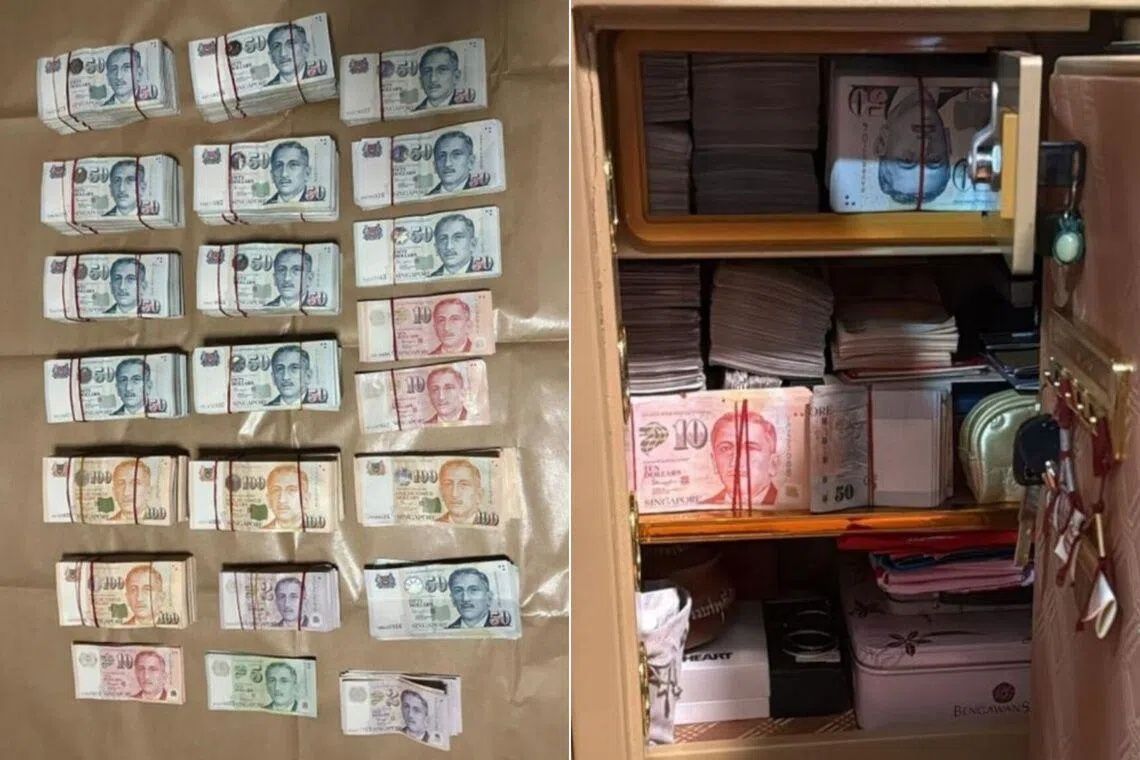
Singapore's police force mounted a comprehensive enforcement operation against unlawful remote gambling networks on July 6, resulting in the arrest of 17 suspects and the recovery of more than S$720,000 in seized cash. The simultaneous raids, announced through a police statement on July 7, targeted locations spanning the entire island, demonstrating the authorities' determination to dismantle gambling syndicates operating outside legal frameworks.
The operation extended across thirteen residential and commercial areas including Yishun, Ang Mo Kio, Toa Payoh, Potong Pasir, Changi, Pasir Ris, Bedok, Joo Chiat, Tampines, Kaki Bukit, West Coast, Bukit Batok and Choa Chu Kang. The geographical spread of raid locations underscores the pervasive reach of illegal gambling networks throughout Singapore's urban landscape, suggesting that underground betting operations have penetrated neighbourhoods across all five administrative sectors.
The detainees comprised fourteen men and three women ranging in age from 45 to 76 years old. Beyond the substantial cash seizure, enforcement officers recovered electronic devices including mobile phones and computers, alongside gambling-related paraphernalia that would have been utilised in running these clandestine operations. The involvement of multiple police divisions—the Criminal Investigation Department, the Police Intelligence Department, and the Special Operations Command—indicates the scale and complexity of the investigation that preceded the raids.
Five individuals face immediate court proceedings scheduled for July 8, charged under the Gambling Control Act. This group comprises four men aged between 47 and 76, plus a 47-year-old woman identified as having significant roles within the illegal gambling network. Conviction on these charges carries severe penalties: fines reaching S$500,000 coupled with imprisonment for up to seven years, reflecting the serious nature of unlicensed gambling operations under Singapore law.
The remaining twelve suspects remain under investigation, suggesting that authorities believe additional charges or evidence may emerge as the inquiry deepens. This staged approach to prosecution allows law enforcement to build comprehensive cases against individuals with varying degrees of involvement, from operators and financiers to foot soldiers managing day-to-day betting transactions.
Singapore's authorities connected this enforcement surge to the anticipation of major global sporting events, specifically noting that tournaments like the FIFA World Cup generate heightened demand for gambling opportunities among the population. The FIFA World Cup 2026, scheduled to run from June 11 to July 19, prompted the government in early June to announce coordinated efforts between the Ministry of Home Affairs and the Ministry of Social and Family Development to intensify enforcement actions and educational campaigns regarding problem gambling during this period.
The legal gambling landscape in Singapore remains tightly controlled, with Singapore Pools designated as the sole licensed operator authorised to provide lottery services, sports betting, and remote gambling offerings. Any gambling activity conducted through unlicensed operators—whether online platforms, betting shops, or underground networks—constitutes a criminal violation. This monopoly framework reflects Singapore's approach to preventing unregulated gaming while generating state revenue through licensed channels.
The police issued explicit warnings to the public, cautioning citizens to avoid participation in any form of illegal gambling irrespective of accessibility or perceived convenience. Such messaging forms part of a broader deterrence strategy combining enforcement action with public communication aimed at shifting social attitudes toward unlawful betting activities.
For Malaysian observers and regional commentators, Singapore's enforcement operation carries significant implications. Malaysia maintains similarly restrictive gambling regulations in many jurisdictions, though the landscape differs across states operating under different administrative frameworks. The scale and coordination of Singapore's operation demonstrates the level of resources and inter-agency cooperation necessary to combat sophisticated remote gambling networks that frequently operate across national borders. Cross-border cooperation between Malaysia and Singapore remains essential, particularly given the geographical proximity and connectivity that enables criminal gambling syndicates to serve customers in both nations simultaneously. The technological sophistication increasingly employed by illegal operators—utilising mobile applications, encrypted communications, and digital payment systems—necessitates that regional law enforcement agencies share intelligence and best practices in combating these networks.

