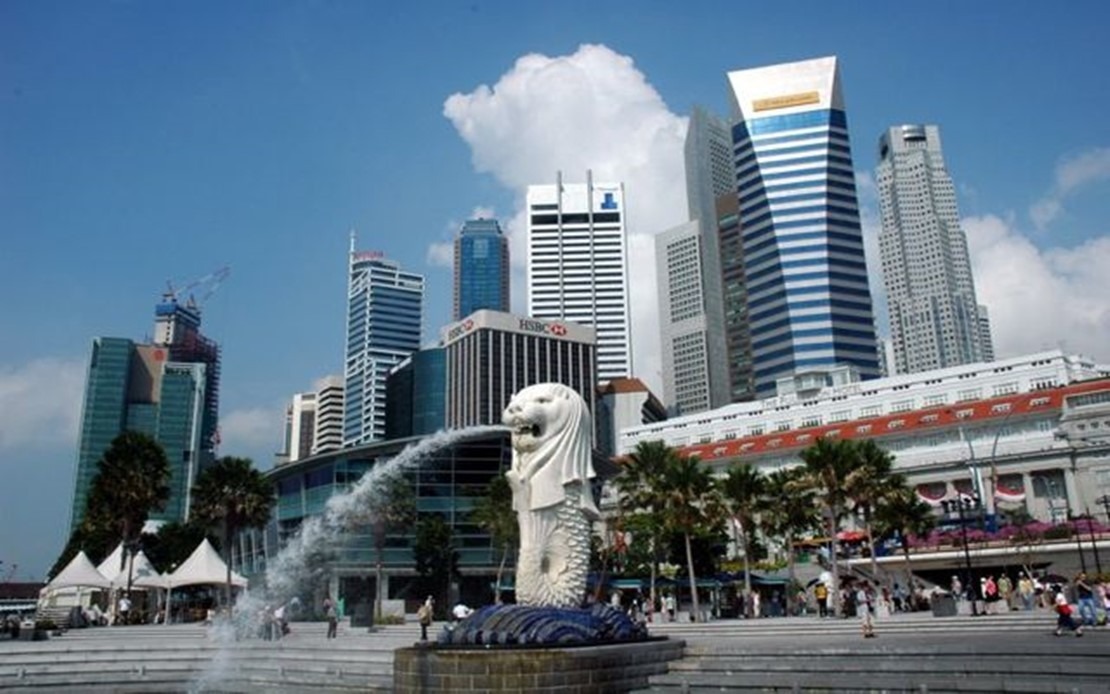
Singapore's National Environment Agency has signalled its readiness to deploy comprehensive haze mitigation measures should air quality conditions deteriorate to hazardous levels across the island nation. The Haze Task Force stands prepared to activate pre-established action protocols, with the agency maintaining continuous surveillance of the regional atmospheric situation and pledging to communicate any material changes to the public through official channels.
At the time of the agency's statement on Sunday afternoon, monitoring stations in Singapore's Central region recorded a 24-hour Pollutant Standards Index reading of 81, positioning air quality within the moderate range and well below the threshold that would trigger emergency interventions. This measurement provides some reassurance to residents and business operators, though officials emphasise that conditions remain fluid and subject to rapid change depending on meteorological factors and regional fire activity.
The agency has established clear thresholds for public communication and response activation. Should the 24-hour PSI breach the 100 mark and enter the unhealthy category, the NEA will commence issuing daily haze advisories incorporating forecasted pollution levels for the following day. This transparent communication strategy enables residents and organisations to make informed decisions about outdoor activities, event scheduling, and precautionary health measures well in advance.
The underlying cause of heightened alert levels stems from prevailing dry conditions across the broader Southeast Asian region, particularly affecting key agricultural and forestry areas in Sumatra and Kalimantan. These meteorological circumstances have facilitated a notable increase in hotspot detections, with satellite imagery and ground observations confirming the presence of smoke plumes emanating from affected zones. The geographical positioning of these fire sources, combined with current southeasterly wind patterns, creates a direct transport pathway for transboundary air pollution toward Singapore.
Southern Sumatra represents a particular concern for regional air quality forecasters, given the concentration of hotspots in this zone and the prevailing wind direction that would carry resulting smoke directly across the Strait of Malacca toward the island city-state. This transboundary pollution phenomenon has repeatedly affected Singapore and Malaysia during haze seasons, creating a shared environmental challenge that demands coordinated regional responses and monitoring frameworks.
The agency's outlook for coming days presents a sobering assessment of potential conditions. Meteorological models indicate that the current dry spell is anticipated to persist throughout the following week, substantially elevating the probability that existing fires will continue burning and potentially expanding. This extended drought period creates cumulative risk, where initial fire suppression becomes more difficult and new ignitions more likely, compounding the atmospheric pollution burden that may eventually reach Singapore's airspace.
Singapore's preparedness framework reflects hard-earned lessons from previous transboundary haze episodes that have periodically disrupted daily life and public health across the island. The city-state has invested considerably in atmospheric monitoring infrastructure, air quality forecasting capabilities, and coordinated emergency response systems designed to protect public health when pollution events occur. The positioning of the Haze Task Force as a rapid-deployment mechanism demonstrates institutional commitment to managing this recurring environmental challenge.
For Malaysia and other neighbouring economies, Singapore's activation of heightened monitoring protocols carries broader regional implications. Transboundary air pollution from Indonesian land-use fires affects multiple nations across Southeast Asia, with Malaysia historically experiencing severe haze episodes affecting visibility, respiratory health outcomes, and economic activity. The simultaneous monitoring efforts across the region's major urban centres provide valuable data integration opportunities and early warning capabilities that benefit the entire region's preparedness posture.
The current situation underscores the persistent vulnerability of Southeast Asian nations to fire-related air quality degradation during dry seasons. While individual countries maintain their own monitoring and response systems, the fundamentally transnational nature of atmospheric pollution demands greater attention to regional cooperation mechanisms and harmonised early warning systems. Enhanced information sharing between environmental agencies and coordinated diplomatic pressure on fire prevention at source remain critical elements of effective regional air quality management.
Public awareness of PSI thresholds and what different readings signify for health and activity planning has improved substantially across Singapore in recent years. The agency's commitment to providing detailed forecasts enables households and businesses to implement protective measures proactively, whether through air filtration systems, health precautions, or activity modifications. This data-driven public communication approach represents best practice in managing transboundary environmental risks in densely populated urban regions.
The coming week will prove crucial in determining whether current dry conditions translate into another significant regional haze episode or whether meteorological conditions shift to suppress fire activity. Environmental authorities across the region will maintain intensive surveillance, with the understanding that transboundary air quality events can develop rapidly once critical atmospheric and land-surface conditions align. Singapore's explicit readiness to activate its haze protocols serves as an important signal that the region's authorities take these recurring challenges seriously and maintain robust institutional capacity to respond when conditions deteriorate.

